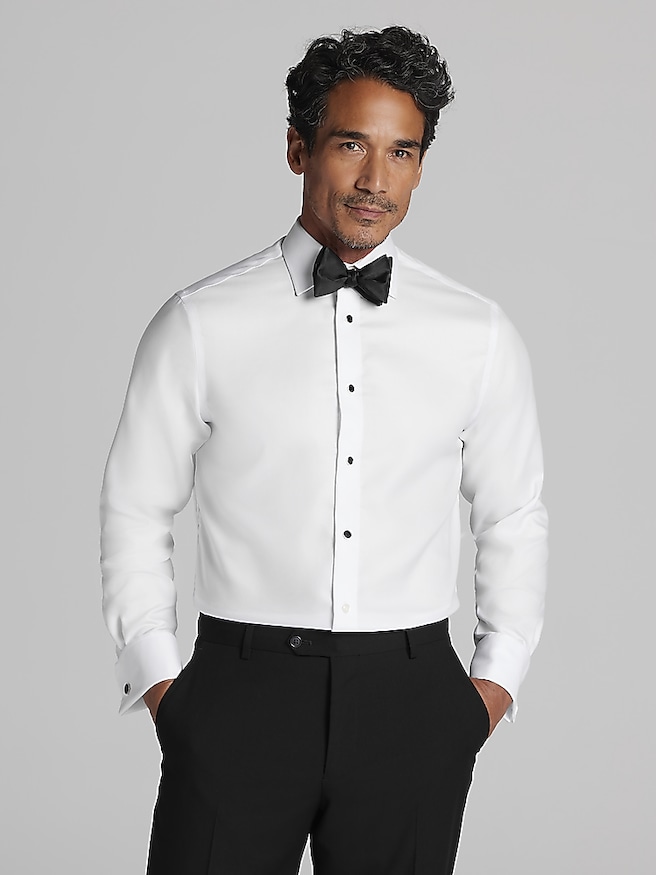
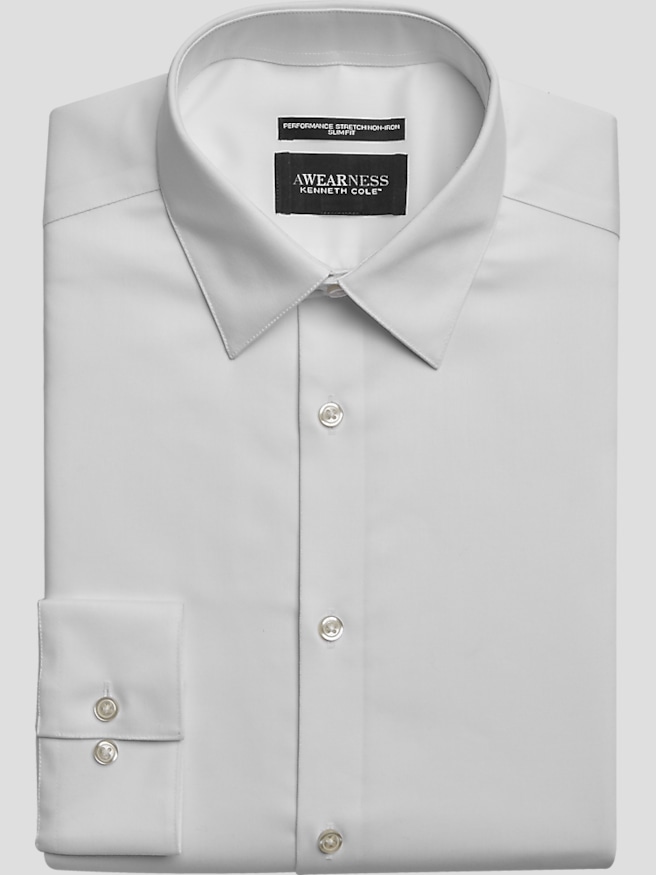
Wedding attire ideas center on the dress code, the setting, and the wearer’s role in the celebration. A groom’s outfit may carry a distinctive detail that sets it apart, while attendants often share a consistent foundation and guests choose clothing that respects the occasion without competing with the couple. Black tie traditionally calls for a tuxedo, a formal shirt, a bow tie, and polished formal footwear. Black tie optional leaves room for either a tuxedo or a dark suit with a dress shirt and tie. Cocktail and semiformal wedding attire generally lean toward tailored suits, with color, texture, and accessories offering room for personal expression. A relaxed dress code may accommodate a sport coat and trousers, but casual wedding clothing still benefits from clean lines, thoughtful proportions, and well-kept shoes. The invitation’s wording remains more useful than assumptions about the venue: a restaurant reception can be formal, and an estate celebration can have a relaxed dress code. Navy, charcoal, and black create distinct foundations rather than interchangeable looks. Navy and charcoal suits transition naturally between many ceremonies and other dressed-up occasions, while a black tuxedo has a more specifically formal character. Subtle checks, textured solids, and muted shades can add interest when the couple’s preferences allow them. For a ceremony followed immediately by dinner and dancing, an outfit needs to look composed while allowing the wearer to sit, walk, and move comfortably. A cohesive combination of jacket, trousers, shirt, and shoes usually makes a stronger impression than several competing statement details. For guests attending with a partner, coordination can come from a shared level of formality or a complementary accent rather than identical colors. The broader range of looks associated with Wedding Attire Shopping reflects these differences in formality, personal style, and wedding-day responsibilities, with the best combinations feeling appropriate to the celebration and natural on the person wearing them.
Fabric and fit give wedding clothing much of its character, even when two outfits share the same color. Wool suiting is valued for its drape, resilience, and ability to hold a tailored shape, making it useful for both wedding celebrations and repeat wear. Different weaves and fabric weights affect how structured or fluid a suit feels; fiber content alone does not tell the whole story. Wool blends may offer added stretch or wrinkle resistance, depending on their composition and construction. Cotton can create a crisp, less formal impression, while linen has a visibly textured surface and natural creasing that suits a more relaxed aesthetic when the dress code permits it. A smooth shirt fabric provides a clean backdrop for a patterned tie, whereas a subtle shirt texture can add depth to a mostly solid outfit. Comfort also depends on the lining, the finish of the seams, and the balance between the garment’s cut and the wearer’s proportions. A well-fitting jacket rests cleanly across the shoulders, with a collar that stays close to the shirt rather than pulling away at the back of the neck. The front should close without pronounced strain, and the sleeves should allow a small amount of shirt cuff to show. Slim, tailored, and classic fits describe different silhouettes, not a ranking of how polished an outfit can look. Trousers need enough room through the seat and thighs for sitting through the ceremony and dinner without pulling, with a hem that falls neatly over the chosen shoes. A shorter break produces a cleaner line, while a modest break offers a more traditional finish. A vest adds another layer of structure, especially when its length covers the trouser waistband and its front lies smoothly. These details matter during ordinary wedding moments: reaching across a table, standing for photographs, or embracing a relative should not require constant tugging at a jacket or waistband.
Accessories complete wedding attire most effectively when they reinforce the outfit’s formality and proportions. A tie with restrained texture can give a solid suit dimension, while a pocket square adds contrast without needing to duplicate the tie’s pattern exactly. Lapel width and tie width tend to look most balanced when they have a similar visual scale. With formalwear, the shirt front, collar, bow tie, and waist treatment work as a coordinated set of details rather than independent decorations. Footwear carries equal weight in the overall impression: sleek leather dress shoes support a tailored suit, and formal shoes complement the sharper finish of a tuxedo. Clean uppers, tidy laces, and well-maintained soles help an otherwise simple outfit look considered. Socks that relate to the trousers create a continuous line when seated, while discreet accessories leave room for a boutonniere or another detail chosen by the couple. For attendants and family members, consistency often comes from shared fabric, color, or accessories rather than forcing every person into an identical cut. That distinction allows a wedding party to look coordinated while accommodating individual builds and comfort preferences. Clothing chosen for a wedding can also serve beyond the reception. A versatile suit may suit future celebrations, business occasions, and milestone dinners, while a tuxedo supports recurring black tie events. Durability depends partly on construction and partly on care: sturdy seams, sound linings, and fabric that recovers its shape all contribute to repeated wear. Care labels determine the appropriate cleaning method, especially for lined jackets, embellished details, and blended fabrics. Between wears, a broad hanger supports jacket shoulders, a proper trouser hanger helps preserve the crease, and airing garments before storage keeps them fresh. Prompt attention to spills and professional pressing when appropriate help maintain a neat finish. From the groom’s ceremony look to a guest’s dependable suit, thoughtfully chosen wedding clothing balances respect for the occasion with comfort, personal style, and usefulness long after the final photograph.