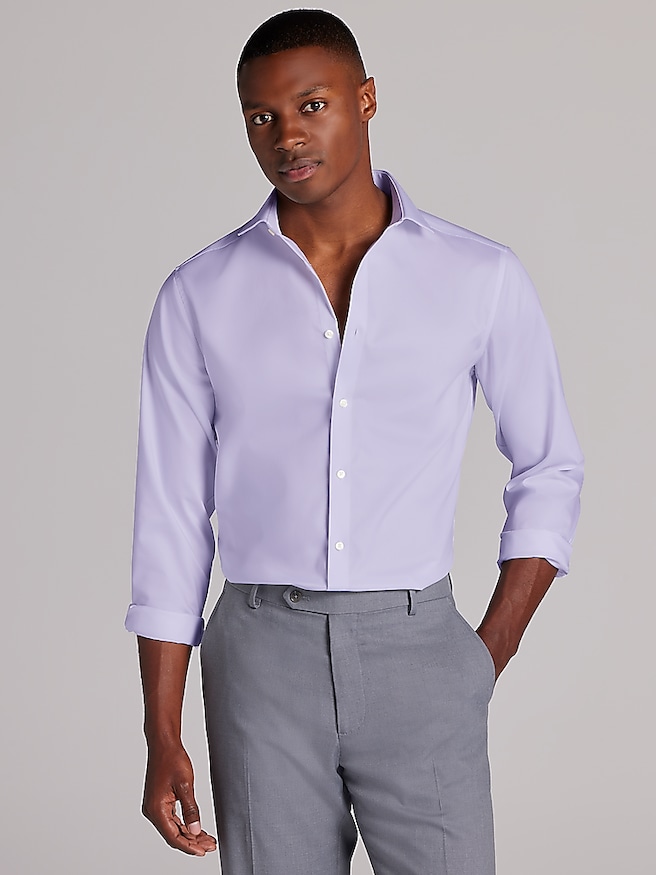
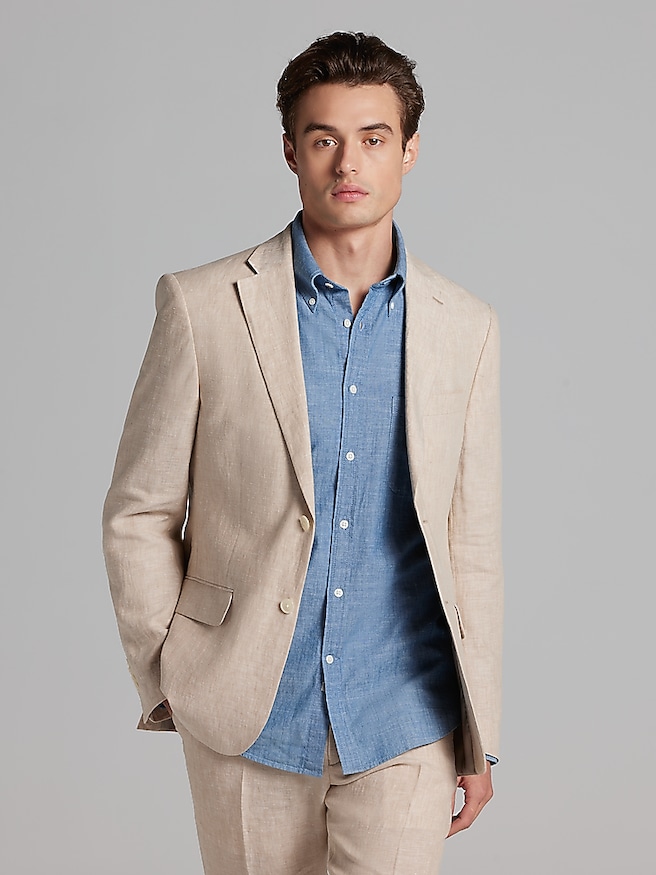
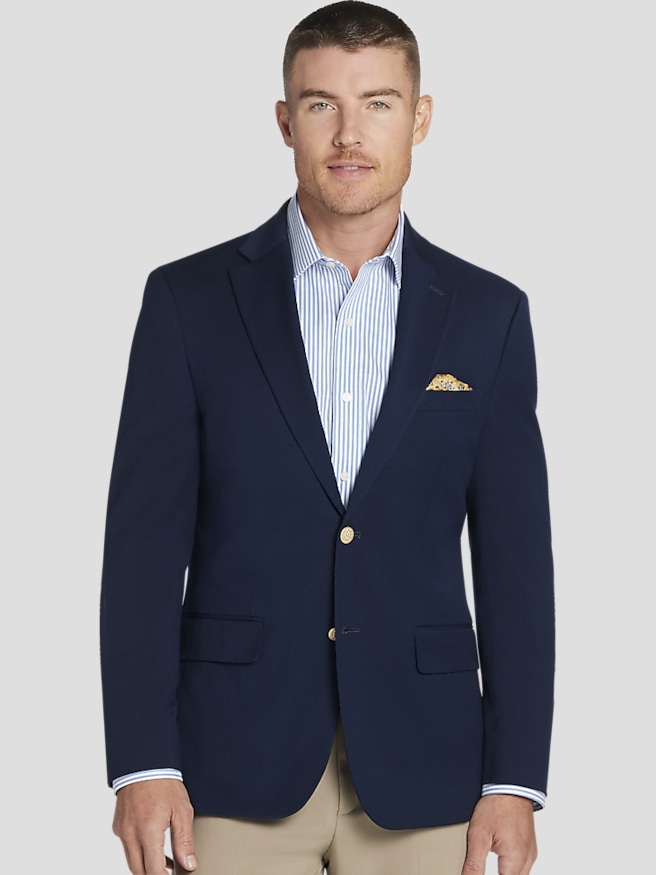
Wedding attendee attire is shaped by the invitation’s dress code, the venue, and the time of the celebration. A formal evening in a ballroom calls for a more structured look than an afternoon gathering on a covered terrace, even when both occasions fall during the cooler months. The strongest outfits feel appropriate to the setting without competing with the couple or the wedding party. For black-tie celebrations, that usually means a tuxedo with formal finishing touches; black-tie optional leaves room for a dark suit, while cocktail attire generally suits a tailored outfit with a dress shirt and polished footwear. When an invitation specifies a less familiar dress code, clarification from the hosts is more useful than guessing from the venue alone. Wedding guest clothing spans these levels of formality through differences in fabric, construction, color, and accessories. Navy and charcoal offer understated foundations that work across many settings, while deeper brown, muted olive, or a subtle check can bring character to occasions that allow more flexibility. A crisp white shirt gives tailoring a clean contrast, and pale blue provides a softer effect without drawing attention away from the celebration. Texture matters as much as color: a smooth worsted fabric looks sharper under ballroom lighting, while a softly brushed finish feels at home beside stone fireplaces or dark wood interiors. Explore Wedding Guest Attire Men with the full celebration in mind, from the ceremony and group photographs to dinner and the last dance. Attire should look composed when standing at the entrance and remain comfortable after several hours at the table. For guests traveling between a place of worship, an outdoor photo location, and an indoor reception, adaptable layers help bridge those settings. The goal is not simply to appear dressed up, but to wear clothing that reflects the occasion’s level of formality and allows the wearer to participate comfortably. Small choices, such as a restrained tie pattern or a neatly folded pocket square, give the finished look personality without making it feel theatrical.
Fabric and fit determine much of that comfort. Wool is a familiar choice for wedding tailoring because its natural resilience helps garments recover from ordinary creasing, while its breathability supports wear across changing indoor temperatures. Lightweight wool can work well in a heated reception space even when the air outside is brisk; heavier cloth adds substance for celebrations with more time spent outdoors. Wool blends may combine structure with other performance characteristics, although the fiber content and construction determine how a garment actually feels and wears. Stretch can provide useful ease through a seated dinner or an energetic dance floor, but it does not replace a well-proportioned fit. Cotton dress shirting offers a breathable feel, and a smooth, tightly woven surface sits cleanly beneath a jacket. A fine knit layer can bring warmth to a relaxed wedding outfit when the dress code permits, while more formal settings generally call for traditional shirting. Across these combinations, the jacket should follow the shoulders without extending noticeably beyond them, and the collar should rest close to the shirt rather than pulling away at the back. The front should close without pronounced strain, with enough room to breathe and move naturally. Sleeves that reveal a small amount of shirt cuff create a deliberate finish, while trousers should sit securely at the waist and fall cleanly through the leg. Excess fabric gathering at the ankle can make an otherwise sharp outfit look unfinished. Slim, tailored, and roomier silhouettes can all look polished when their proportions suit the wearer rather than forcing a particular shape. For a tall guest, balanced sleeve and trouser lengths keep the outfit from appearing abbreviated; for someone with broader shoulders or fuller thighs, adequate room preserves clean lines more effectively than sizing down. Trying the outfit while sitting, reaching forward, and walking provides a more realistic sense of fit than standing still in front of a mirror. Any alterations are best assessed with the shirt and shoes intended for the celebration.
Finishing touches give wedding clothing its sense of completeness, especially when the main pieces are deliberately understated. Smooth leather footwear generally supports a dressier outfit, while the shape, finish, and condition of the shoes influence how formal the overall look feels. Comfortable footwear is particularly important for long ceremonies, standing receptions, and venues with stairs or extended walks between spaces. A secure heel, comfortable toe room, and a sole suited to the setting help prevent a polished choice from becoming a distraction. Socks that coordinate with the trousers create continuity when seated, and a belt, when worn, should complement the footwear without needing an exact color match. Ties and pocket squares can share a color family without repeating the same pattern; a textured tie beside a simple shirt often supplies enough visual interest on its own. An understated overcoat protects the outfit during arrivals and departures without looking disconnected from the tailoring beneath it. Durability also matters for clothing intended to serve beyond a single invitation. Well-finished seams, securely attached buttons, a smooth lining, and fabric that maintains its shape contribute to repeated wear, particularly for guests with several celebrations or formal events on the calendar. Versatile tailoring can also move into business occasions, anniversary dinners, and other gatherings when paired with appropriate accessories. Care should follow each garment’s label, since wool tailoring, blended fabrics, and cotton shirts may require distinct treatment. After wearing, emptying pockets and placing jackets on broad, supportive hangers helps preserve their shape. Allowing garments to air before storing them, brushing away surface dust, and addressing marks promptly according to the care instructions can reduce unnecessary cleaning. Shirts benefit from careful pressing at the collar, cuffs, and front, where wrinkles remain visible beneath a jacket. For travel, a suitable garment bag and time to unpack before dressing help keep the outfit presentable. The result is wedding attendee attire that feels considered from every angle: appropriate for the hosts’ plans, comfortable through a full celebration, and cared for well enough to remain useful for occasions still ahead.