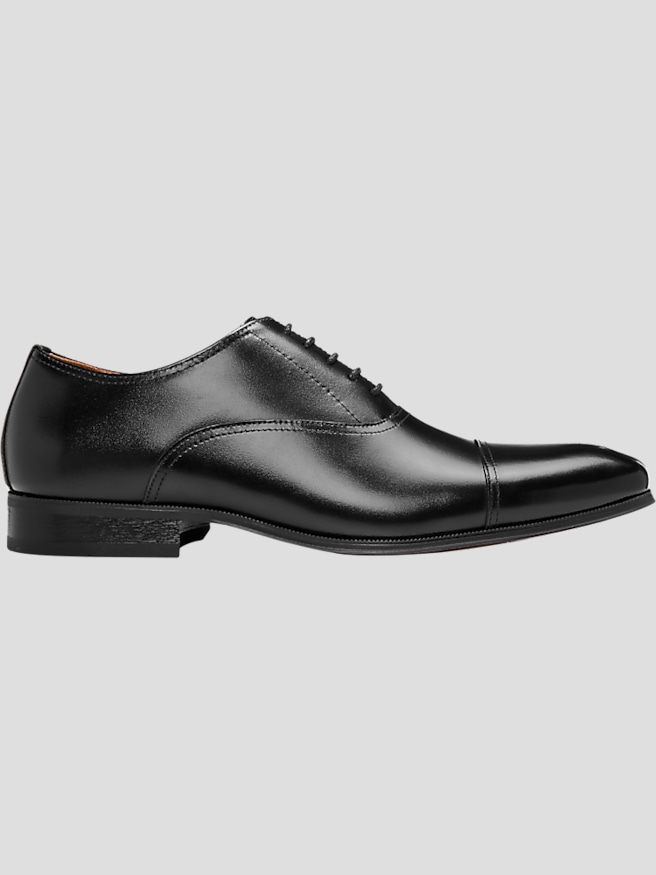
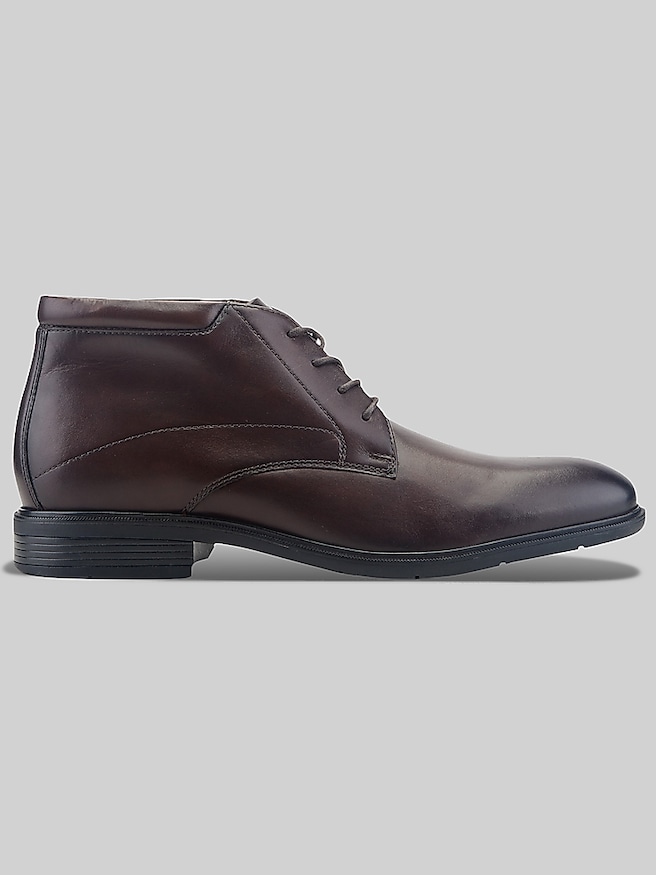
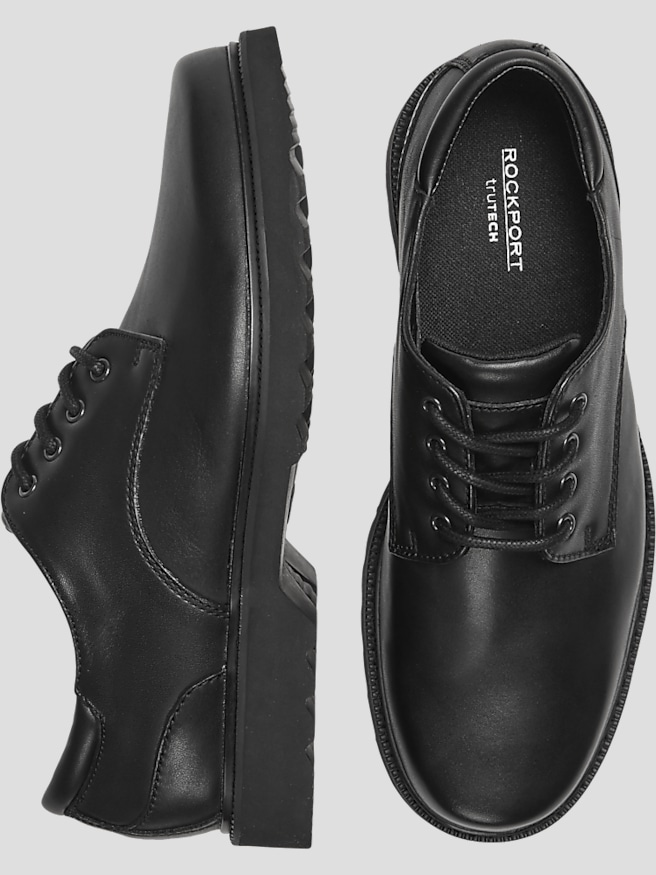
Office shoes help a work outfit feel complete, whether the day centers on a desk, a conference table, or a series of client visits. Their appeal comes from the balance between a polished appearance and the comfort needed to wear them for hours at a time. A clean silhouette, a well-shaped toe, and a sole that complements the upper can make even a simple combination of trousers and a button-down shirt look intentional. Lace-up styles generally bring more structure to an outfit, while loafers offer a streamlined alternative for workplaces with a less formal dress code. Oxfords, with their closed-lacing construction, tend to look especially refined with tailored suits. Derbies have a more open lacing arrangement that can work comfortably with both dress trousers and chinos, depending on their finish and proportions. Smooth black leather creates a crisp pairing with charcoal or dark gray tailoring; brown shades bring depth to navy, tan, and other neutral colors. Burgundy tones can add a subtle point of interest without distracting from the rest of an outfit. Details matter, too. A plain toe keeps the look understated, a cap toe adds definition, and decorative perforations introduce texture that often feels at home in business-casual settings. The shape of the shoe should also sit naturally beneath the trouser hem: an overly bulky profile can interrupt the line of slim trousers, while a very narrow silhouette may look out of proportion with a fuller leg. For workplaces that move between formal presentations and ordinary desk days, versatility often matters more than elaborate detailing. The same considerations apply to Business Work Shoes, especially when a workday includes both seated tasks and time spent on foot. A pair that looks appropriate in a meeting and feels manageable during a walk between buildings has a practical place in a working wardrobe. Office footwear can also carry that composed look into professional dinners, networking events, and other occasions that call for something more polished than casual sneakers.
Materials and construction influence how office shoes feel, how they age, and how much attention they need between wears. Smooth leather offers a traditional finish and can develop character over time when cared for appropriately. Suede brings a softer, more textured appearance that often pairs well with chinos and less structured tailoring, though its surface needs care suited to the nap rather than conventional shoe polish. Synthetic uppers vary in flexibility, finish, and maintenance requirements, so their care instructions deserve the same attention as those for leather. Inside the shoe, lining materials, seams, and footbed design all affect the experience of a full workday. A smooth interior can help reduce rubbing, while cushioning may soften the feel of repeated steps across hard floors. Cushioning alone, however, cannot compensate for the wrong size or shape. A comfortable fit leaves room for the toes without allowing the foot to slide forward, holds the heel securely without digging into it, and avoids concentrated pressure across the widest part of the forefoot. Width is just as important as length, particularly for anyone who finds that a shoe feels loose at the heel but tight across the front. Lace-up designs allow some adjustment over the instep; slip-on styles depend more closely on the relationship between the foot and the shoe’s opening. The socks normally worn to work also affect fit, as do any personal inserts that need space inside the shoe. Leather may soften with use, but a painfully tight fit should not be treated as a normal part of breaking in footwear. Outsoles introduce another set of trade-offs. Rubber can provide flexibility and useful traction for everyday walking, while leather soles contribute a traditional dress-shoe appearance and a distinct feel underfoot. Neither material tells the whole story: tread, thickness, construction, and the walking surface all matter. For someone who spends much of the day standing at presentations or moving between offices, a stable base and a comfortable flex point can be more valuable than an especially sleek profile.
Durability depends on more than how sturdy a shoe looks when new. The quality of the upper, the attachment of the sole, the finish around the edges, and the way the shoe fits into a daily routine all contribute to its useful life. Repeated friction at the heel or toe can wear down those areas, while creasing across the forefoot is a normal result of walking in many leather styles. Regular care helps distinguish everyday signs of use from avoidable deterioration. Dust and surface marks are easier to address before they accumulate, and care products should match the material and finish rather than being applied indiscriminately. Leather conditioner can help maintain suitable leather uppers, while an appropriate polish can refresh color and appearance; suede typically benefits from a dedicated brush and material-specific cleaning methods. Interior moisture from ordinary wear also needs time to dissipate. Allowing shoes to air out between uses, rather than leaving them enclosed in a gym bag or pressed together at the bottom of a closet, supports a fresher interior. Properly fitted shoe trees can help maintain the shape of suitable shoes, and a shoehorn reduces the repeated crushing of the heel counter when putting them on. Repair possibilities vary by construction, but replacing worn heel components or soles may extend the life of footwear designed to accommodate that work. These practical details are especially relevant for professionals who rely on dress shoes several days a week, new graduates building a work wardrobe, and anyone preparing for interviews or a role with more client interaction. Office shoes can also make a thoughtful gift when the recipient’s size, preferred width, workplace dress code, and usual style are already known. An understated design in a familiar color is often easier to integrate than a dramatic shape or unfamiliar finish. The most useful choice feels like part of the wearer’s routine: appropriate beneath tailored trousers, comfortable through the day’s obligations, and straightforward to maintain afterward.