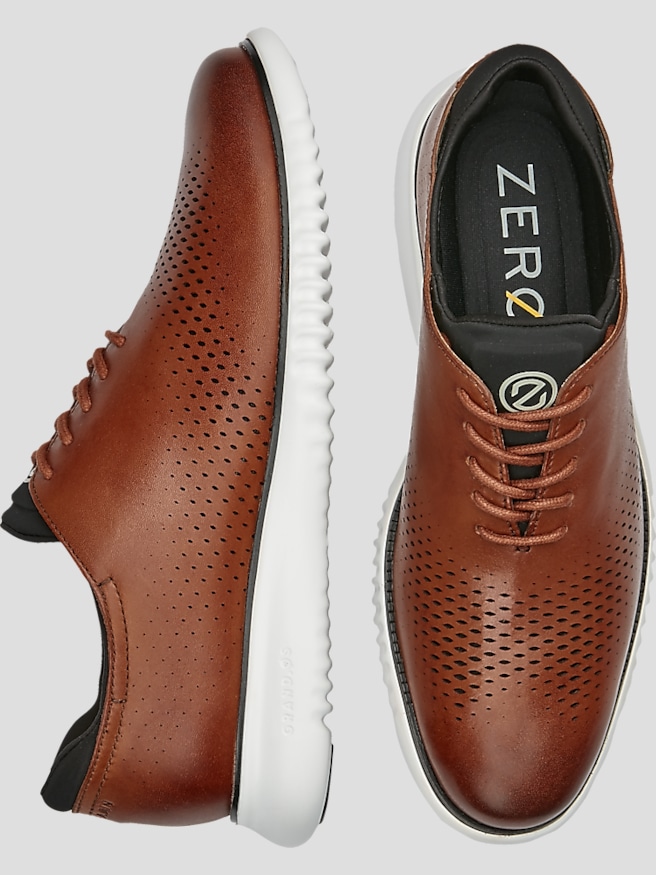
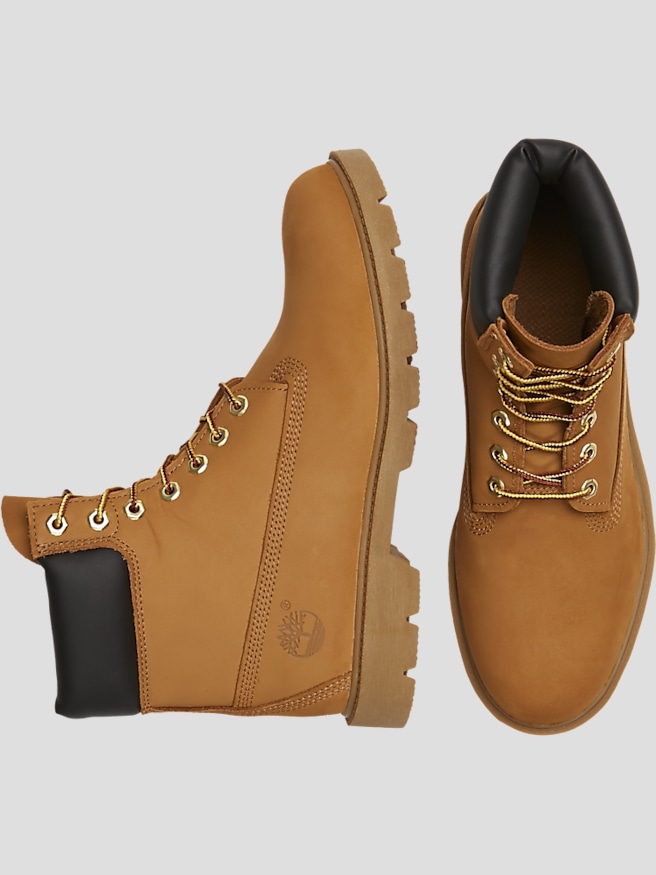
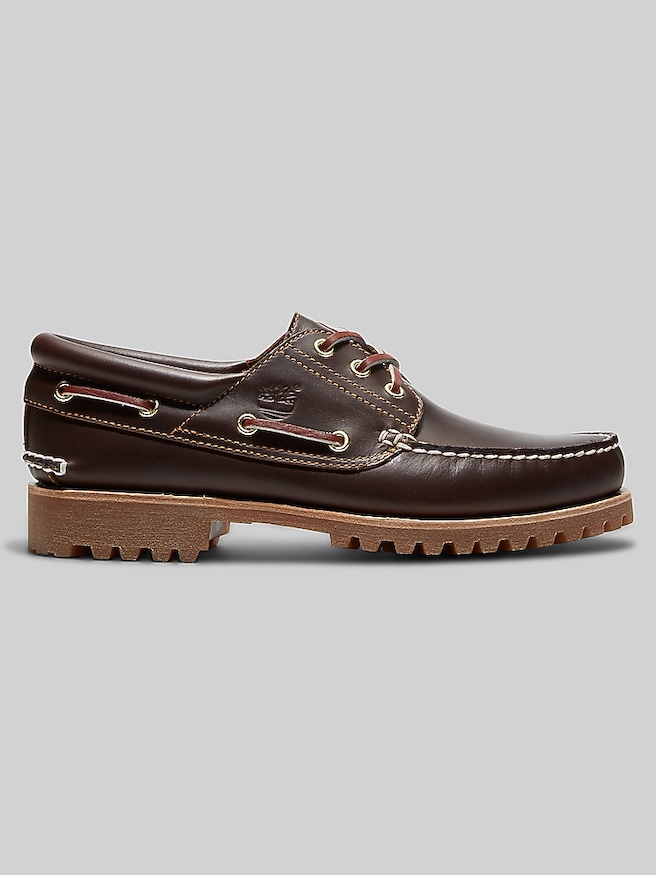
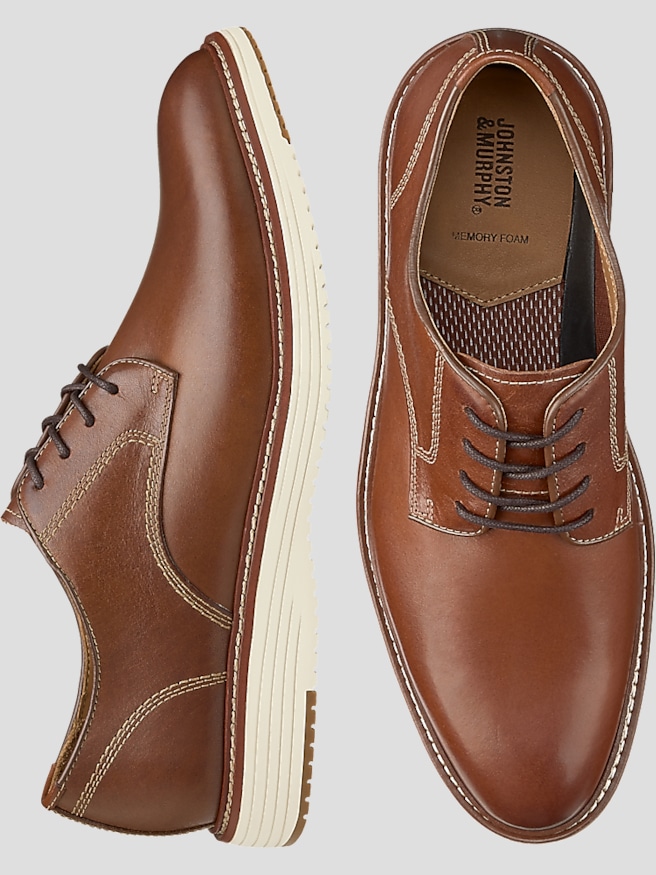
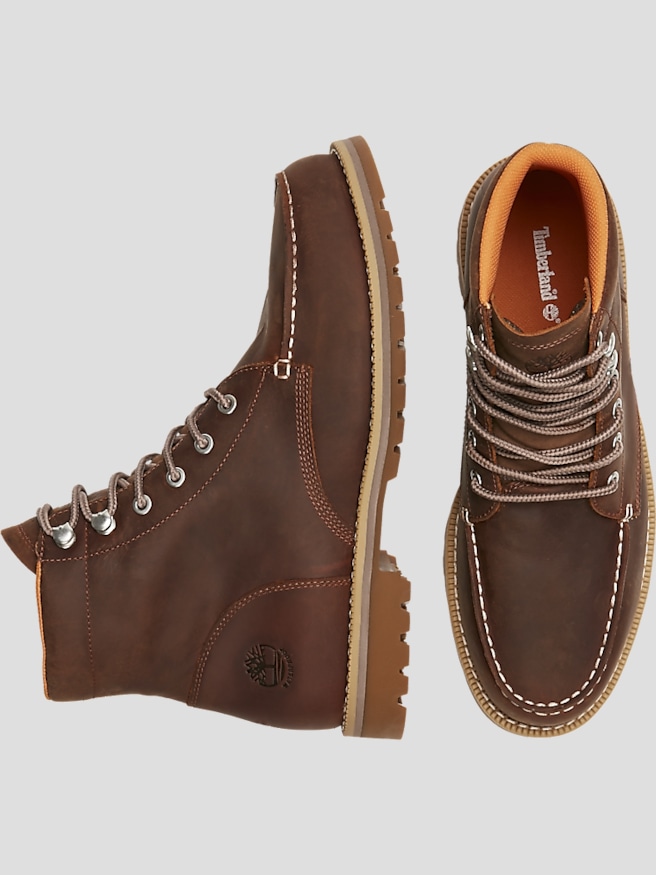
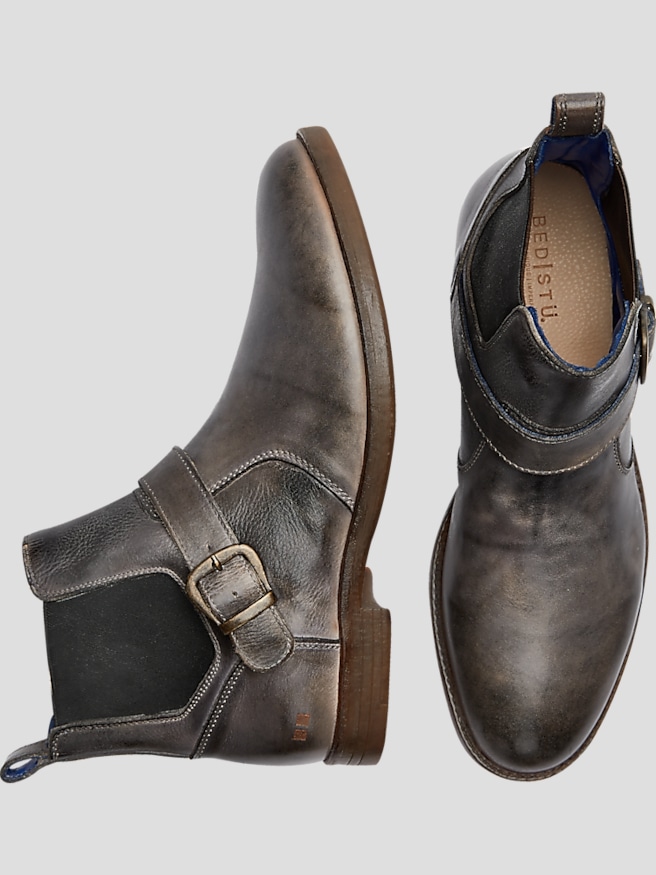
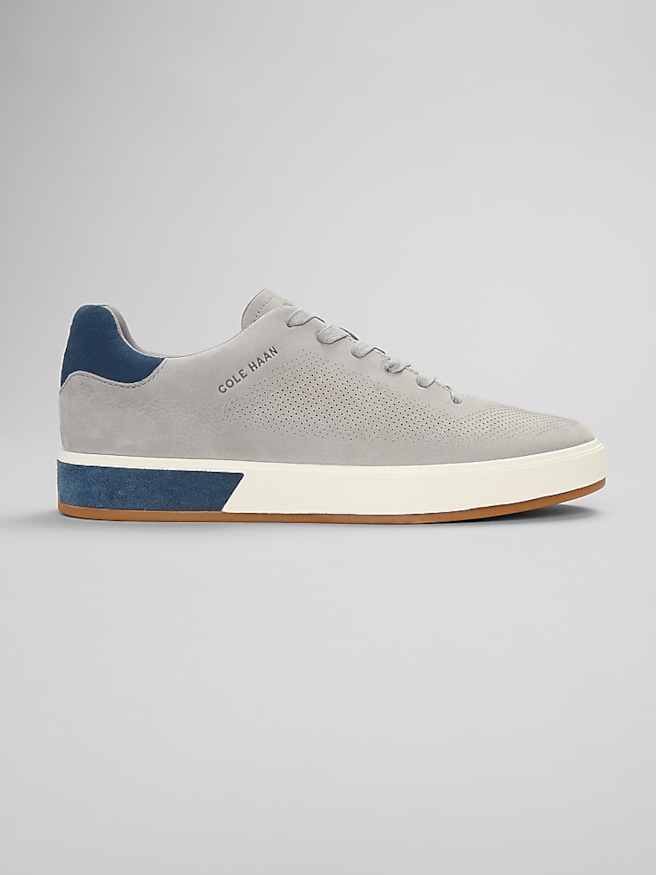
Office boots bring the polished appearance of a traditional dress shoe together with the added coverage and stability that make boots useful through cooler weather. A well-chosen pair can move comfortably from a morning commute to a full day at a desk, meetings across town, and an evening event without looking out of place. For most professional settings, look for a clean silhouette with a smooth leather or refined suede upper, minimal decoration, and a shape that follows the foot without appearing overly bulky. Black offers the most formal, streamlined appearance and pairs naturally with charcoal, navy, and black tailoring. Dark brown adds warmth and versatility, working especially well with navy, gray, olive, and earth-toned trousers. A cap toe, plain toe, or understated Chelsea-inspired profile can complement business-casual clothing, while a sleeker lace-up design can sit neatly beneath a suit. The goal is a boot that looks intentional rather than rugged: restrained stitching, a low-profile sole, and a refined finish help maintain a professional impression. Before choosing a pair, consider the clothes already in the closet and the environments where the boots will be worn. Someone who spends most of the day indoors may prefer a lighter construction with a flexible sole, while a commuter who walks over wet sidewalks may value a rubber outsole with dependable traction. A low heel and balanced sole can help create a steady stride, and a cushioned footbed can make a meaningful difference during long hours on the move. Features such as moisture-managing lining, supportive arch shaping, and a softly padded collar may add comfort without changing the streamlined look. To explore coordinating work-ready options, browse Office Footwear For Men for footwear that can support a range of professional wardrobes.
Fit deserves the same attention as appearance. Try boots with the socks intended for regular wear, allowing enough room for the toes to spread naturally while keeping the heel secure. The instep should feel supported but not compressed, and laces or elastic panels should hold the foot comfortably without creating pressure points. Because leather and suede can relax slightly with wear, a close, supportive fit is preferable to a loose fit that allows the foot to slide. New boots may feel firm at first, so wearing them for short periods around the house or during brief errands can help identify areas that need attention before a long workday. A quality pair can also be a thoughtful gift for a professional beginning a new position, building a more versatile wardrobe, or preparing for a season of conferences, ceremonies, and office gatherings. Boots make a particularly practical choice for someone who values a polished appearance but does not have room to carry a second pair of shoes during the day; one refined pair can serve as a dependable bridge between the sidewalk, the office, and after-work plans. Care helps preserve that versatility. Brush away surface dust after wearing, use a conditioner suited to the leather when needed, and allow damp boots to dry naturally away from direct heat. Cedar shoe trees can help maintain the shape and absorb some moisture, while a suede brush is useful for keeping a napped finish looking even. Rotate footwear when possible so each pair has time to air out, and check the sole regularly for wear, especially if the boots are used on slick pavement. During the cooler months, pair office boots with tailored wool trousers, pressed chinos, or dark denim where the dress code allows, making sure the trouser break falls neatly over the boot without bunching. A matching belt and coordinated watch strap can pull the outfit together, while simple socks in navy, charcoal, brown, or black keep the overall appearance composed. With the right balance of comfort, traction, material, and understated style, office boots can become one of the most useful foundations in a professional wardrobe.