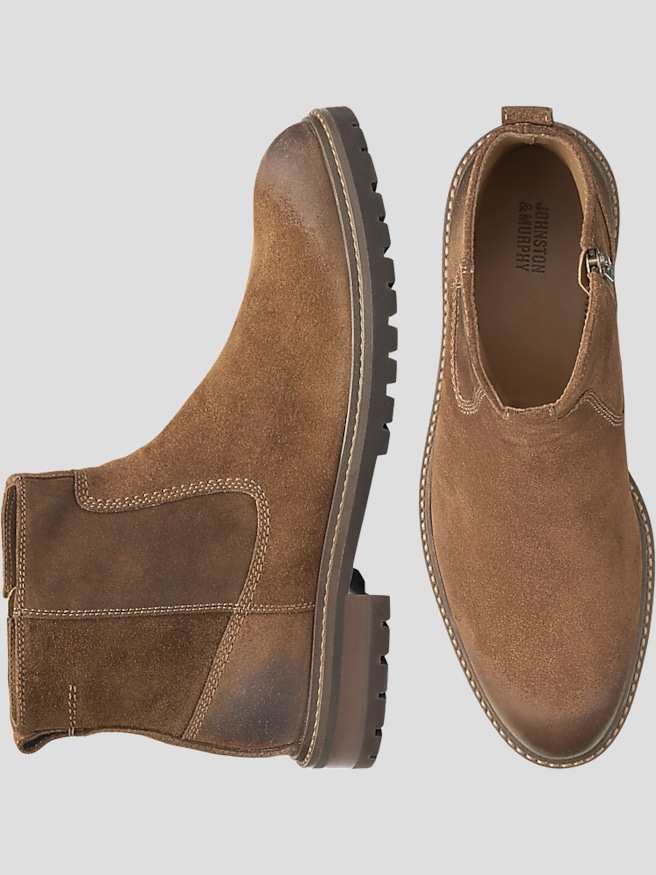
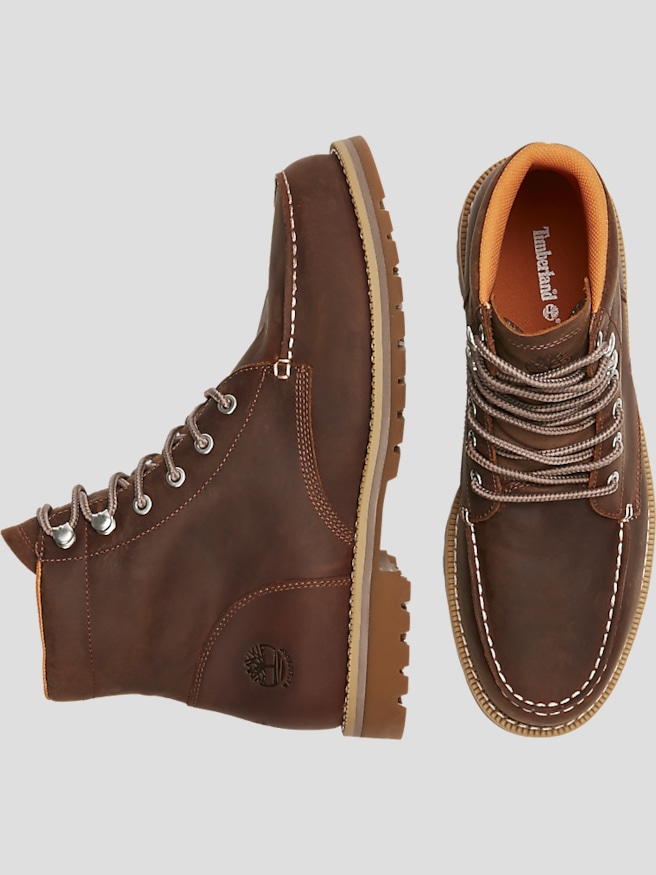
Business casual boots combine the coverage and structure of an ankle boot with the clean lines expected in a professional wardrobe. A sleek silhouette, smooth leather or refined suede, and a low-profile sole make them easy to pair with chinos, tailored trousers, and dark denim where the dress code allows. The most versatile shapes keep decorative stitching, hardware, and bulky tread to a minimum, letting the material and proportions carry the look. Chelsea boots have elastic side panels and a pull-on design that creates an uninterrupted line beneath a trouser hem. Chukka boots offer a more relaxed interpretation, typically with an ankle-height upper and a small number of eyelets. Plain-toe lace-up boots can also work well when their shape is slim and their sole does not dominate the outfit. For an especially streamlined pairing, men’s business casual Chelsea boots complement flat-front chinos, a tucked-in button-down shirt, and an unstructured blazer without making the combination feel overly formal. Black leather tends to look sharper with charcoal or gray trousers, while brown leather brings depth to navy, olive, and tan. Suede introduces a softer texture that sits comfortably alongside knit polos, sweaters, and jackets with a subtle weave. A belt in a similar color and level of polish helps the outfit feel cohesive, though an exact match is not necessary. Trouser length matters as much as color: a clean hem that rests lightly over the boot keeps excess fabric from gathering around the ankle. A gently tapered leg usually works well, provided the opening has enough room to fall over the shaft. These boots suit office days, client lunches, professional gatherings, and dinners following work, but business casual standards vary by workplace. A refined boot can bridge relaxed and tailored clothing; it does not automatically replace a traditional dress shoe in settings that require one.
Materials and construction influence both appearance and everyday comfort. Smooth leather can develop a distinctive patina with wear, while retaining a polished surface when properly maintained. Full-grain leather preserves the natural surface of the hide and may show subtle variations that give the upper character. Suede has a soft nap and a less reflective finish, making it particularly useful when an outfit needs texture rather than shine. Neither material alone determines how well a boot will perform; the quality of the upper, stitching, lining, sole attachment, and finishing all contribute. A leather lining can provide a smooth interior, while padding around the footbed or ankle may soften contact points. Thin leather soles tend to create a dressier profile, and low-profile rubber soles can provide flexibility and useful grip without the visual weight of a heavy lug sole. Traction still depends on the sole design and the surface underfoot, so appearance should not be treated as a performance rating. For someone who walks between meetings or spends part of the workday standing, heel stability, forefoot flexibility, and room through the toe box deserve particular attention. A good fit feels secure without pinching: the toes should have space to move, the ball of the foot should sit comfortably at the widest part of the boot, and the instep should not feel compressed. Try boots with the socks intended for regular wear, since sock thickness changes how the interior feels. Chelsea boots rely on their shape and elastic panels for a secure fit, whereas lace-up styles allow more adjustment across the instep. The ankle opening should hold comfortably without rubbing, and the heel should not lift excessively with each step. Leather may soften through use, but persistent pressure or cramped toes should not be dismissed as something that will disappear after a break-in period. A few minutes of walking, turning, and sitting can reveal whether the shaft presses against the ankle or the sole feels too stiff for the intended routine. Fit can vary across boot shapes even when the labeled size is the same.
Regular care helps business casual boots maintain the tidy appearance that makes them suitable for work. After wear, removing surface dust with a soft brush or cloth prevents buildup around seams and along the edge of the sole. Smooth leather benefits from an appropriate leather cleaner and occasional conditioning according to the material’s care instructions; excessive product can leave residue or change the finish. Polish can restore color and luster when the leather and finish are suitable for it. Suede needs a different approach: a suede brush can lift the nap and loosen light surface marks, while a suitable suede eraser may help with localized scuffs. Any cleaner or protective treatment should be checked for compatibility and tested on an inconspicuous area before broader application. If boots become damp, let them dry naturally away from direct heat. Shoe trees can help preserve shape between wears, and rotating footwear gives the interior time to air out. Storing boots upright without crushing the shaft also helps prevent unnecessary creasing. Durability is not simply a matter of choosing the thickest sole; sound stitching, a securely attached outsole, and materials suited to the intended use are more meaningful considerations. Some construction methods permit resoling, but repair options depend on the individual boot and should be confirmed rather than assumed. For daily wear, a restrained shape and an adaptable color often prove more useful than prominent decorative details. A brown lace-up boot can anchor navy chinos and a textured sport coat, while a black Chelsea boot creates a clean base beneath gray trousers and a fine-gauge sweater. Business casual boots can also make a thoughtful birthday, graduation, or career-milestone gift for someone building a professional wardrobe. Knowing the recipient’s usual shoe size, preferred fit, workplace expectations, and most-worn trouser colors helps make that choice personal and practical. The strongest everyday pairing brings together comfortable proportions, well-maintained materials, and a finish that feels appropriate wherever the workday leads.