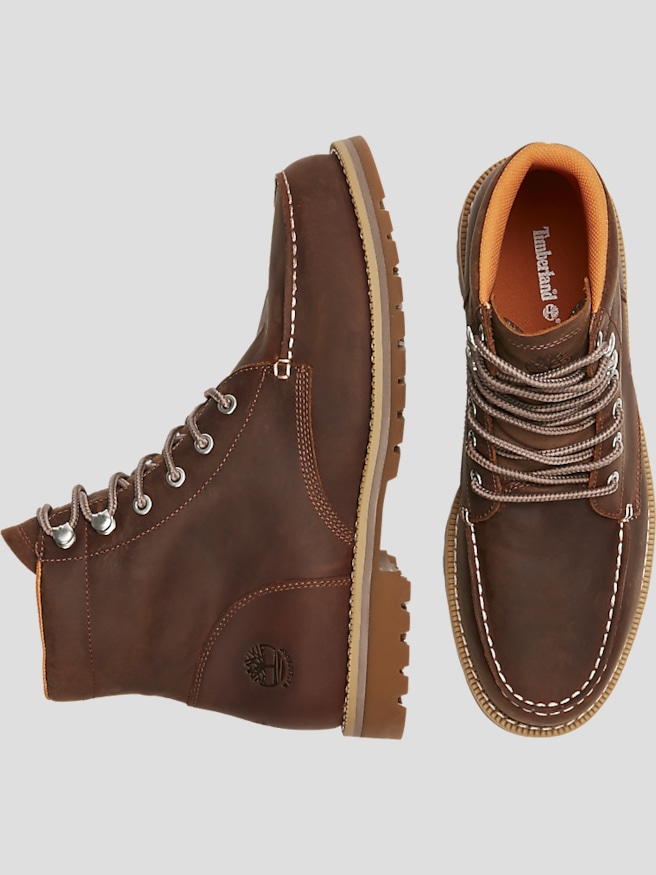
Men’s business casual boots combine the coverage of an ankle boot with the clean lines of a dress shoe. Smooth leather or fine suede, restrained stitching, a streamlined toe, and a modest heel make a pair easy to wear with chinos, tailored trousers, and other office separates. The most versatile shapes look substantial without appearing bulky: an almond or gently rounded toe leaves room for the foot while maintaining a refined profile, and a relatively slim sole keeps the boot from dominating the outfit. Chelsea boots, chukka boots, and understated lace-up boots all work within that range, with the choice depending on the workplace and the clothes worn most often. The slip-on shape of Mens Business Casual Chelsea Boots keeps detailing to a minimum, making the style a natural companion to flat-front trousers and an open-collar shirt. Chukkas have a shorter shaft and simple lacing that pairs comfortably with chinos and a knit polo. A sleek lace-up boot can bring a slightly dressier finish to wool trousers and a sport coat. Smooth leather generally creates a more polished impression, while suede adds a softer texture that feels relaxed without looking careless. Black works especially well with charcoal and gray, while dark brown connects easily with navy, olive, and earth tones. Tan offers more contrast and often feels less formal, particularly alongside dark trousers. Heavy work-boot proportions, oversized hardware, pronounced lug soles, and heavily distressed finishes usually lean farther from a traditional business casual dress code. That distinction matters in settings where a jacket is optional but the overall impression still needs to be professional. Boots with quieter details can move from a desk to a client lunch or an after-work dinner without requiring a separate pair of shoes. They also give everyday office outfits a defined finish without making a polo and chinos look overly dressed up. For someone building a practical work wardrobe, a simple shape and a familiar neutral color tend to be easier to repeat across several outfits than a bold silhouette.
Fit determines whether a business casual boot feels as good at the end of a full schedule as it looks at the start. The heel should feel secure, the widest part of the foot should align with the widest part of the boot, and the toes should have room to move without pressing against the front or sides. A close fit through the instep is different from a tight squeeze; pressure, numbness, or pinching should not be treated as a necessary breaking-in stage. Leather can soften with wear, but a boot that is too short will not develop the extra length a foot needs. Trying boots with the type of socks typically worn to work gives a more useful sense of fit than switching to an unusually thin pair just to gain space. Lace-up styles allow adjustments through the instep, while Chelsea boots depend more on the relationship between the foot, elastic panels, and heel shape. A little initial heel movement can occur in some new boots, but repeated slipping that makes walking feel unstable suggests a fit worth reconsidering. Cushioning, arch support, interior seams, and lining all contribute to comfort, especially for someone who alternates between sitting at a desk, standing through presentations, and walking between appointments. Outsole construction deserves attention, too. A low-profile rubber sole can provide useful traction and flexibility without the visual weight of a pronounced tread, while leather soles offer a traditional appearance and a distinct underfoot feel. Neither construction guarantees comfort on its own; the complete fit matters more than a single feature. Trouser proportions finish the picture. A tapered or straight leg should fall neatly over the shaft rather than catch on it, and excessive fabric pooling can hide the boot’s shape. With chinos, a clean hem helps the outfit look intentional. With dress trousers, a slight break can create a smooth line from the knee to the toe. The result should feel natural during an ordinary workday, not require repeated adjustments whenever the wearer stands up.
Materials and construction influence both appearance and long-term wear, but good care remains part of owning any business casual boot. Smooth leather benefits from regular dusting with a soft brush or cloth, followed by conditioning appropriate to the leather when it begins to feel dry. Polish can refresh color and add shine, although a restrained finish often looks more natural with business casual clothing than a highly reflective one. Suede calls for a different approach: a dedicated suede brush helps lift the nap and loosen surface dirt, while cleaners and protective treatments should be chosen specifically for that material. Testing a care product on a discreet area helps avoid an unexpected change in color or texture. Letting boots dry naturally at room temperature, away from direct heat, helps protect the uppers and adhesives after cleaning or exposure to moisture. Shoe trees can help preserve shape between wears, and alternating pairs gives the interior time to air out. Keeping an eye on worn heel edges, separating soles, damaged elastic, or loose stitching can make it easier to address a small issue before it affects comfort or appearance. Some constructions allow resoling or other repairs, but that depends on how the boot is made and should not be assumed from its looks alone. For frequent wear, neat seams, a stable heel, and an upper that flexes comfortably are useful details to examine alongside the silhouette. Intended use matters just as much: someone walking several blocks between an office and public transportation may prioritize a secure fit and unobtrusive traction, while someone working mostly indoors may put greater emphasis on a sleek profile and compatibility with tailored clothing. Business casual boots can also make a thoughtful gift for a graduate starting a first office role, a partner updating a work wardrobe, or someone whose daily style sits between sneakers and dress shoes. Familiarity with the recipient’s size, preferred fit, and usual trouser colors makes that choice more personal. The strongest addition is a pair that suits the wearer’s actual routine—polished enough for professional settings, comfortable enough for repeated wear, and straightforward to maintain.