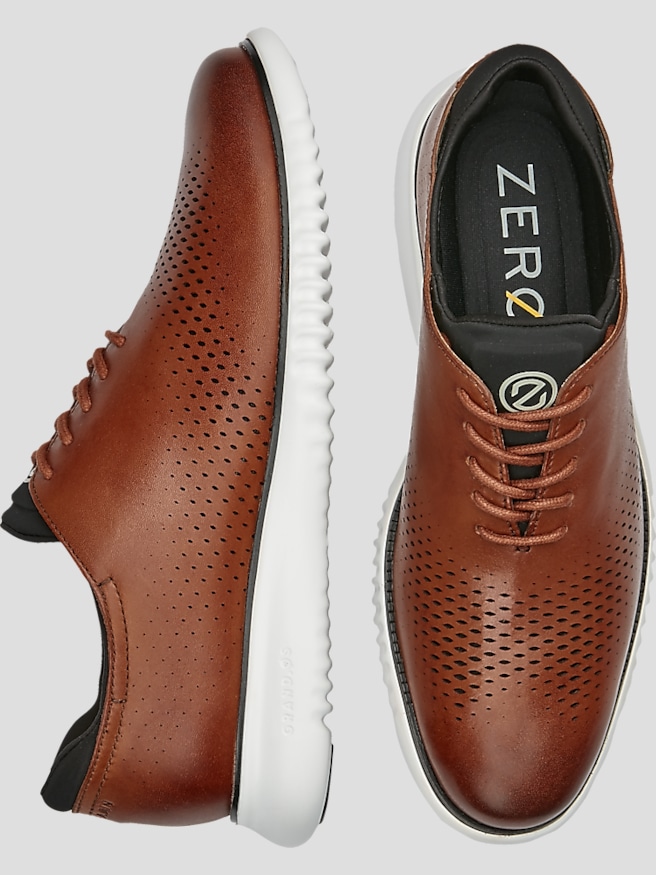
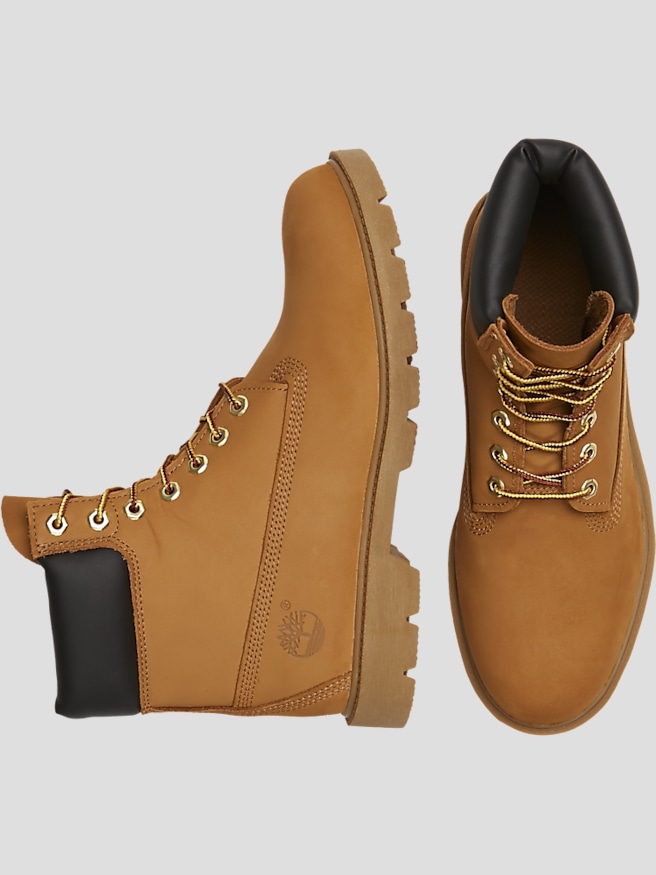
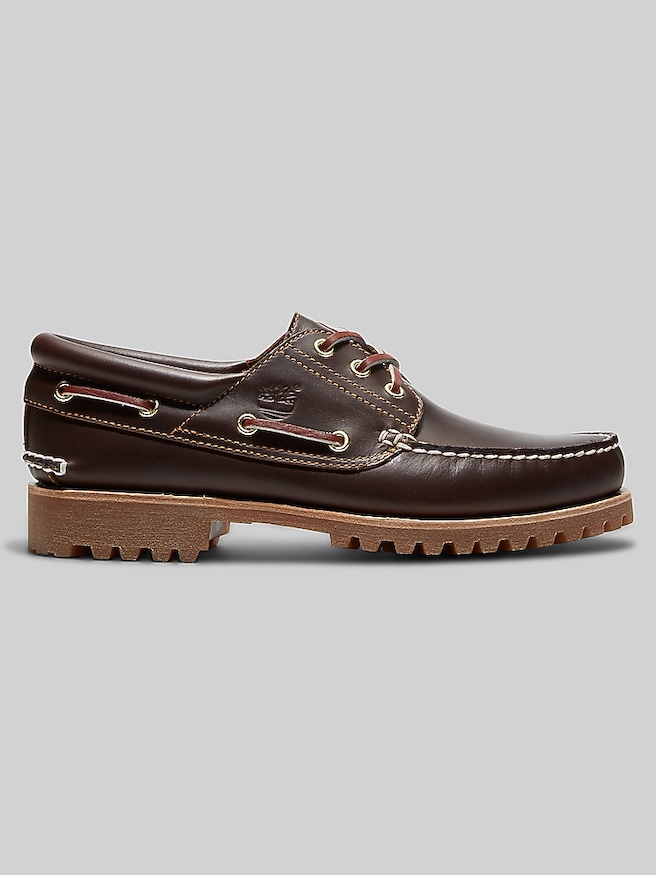
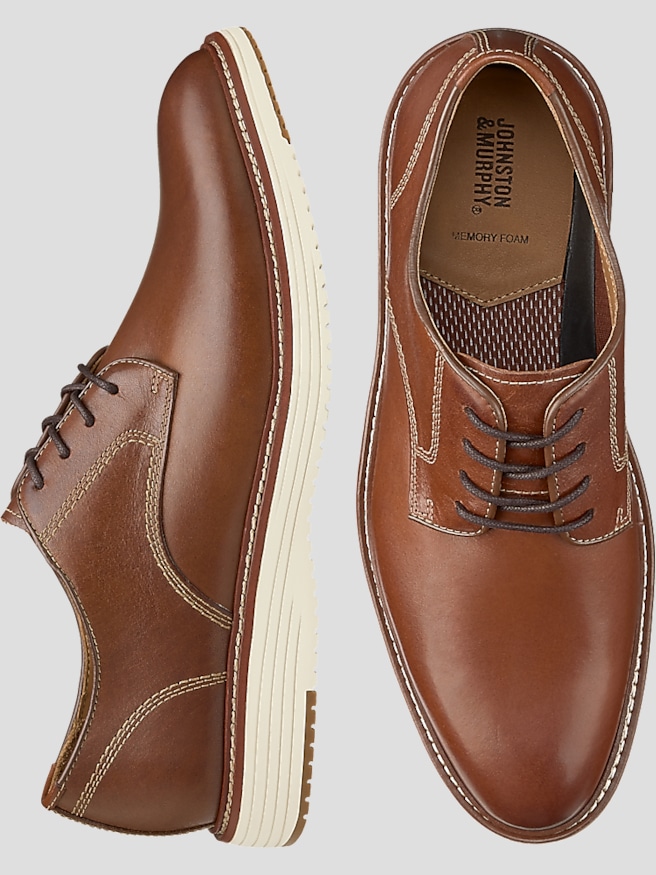
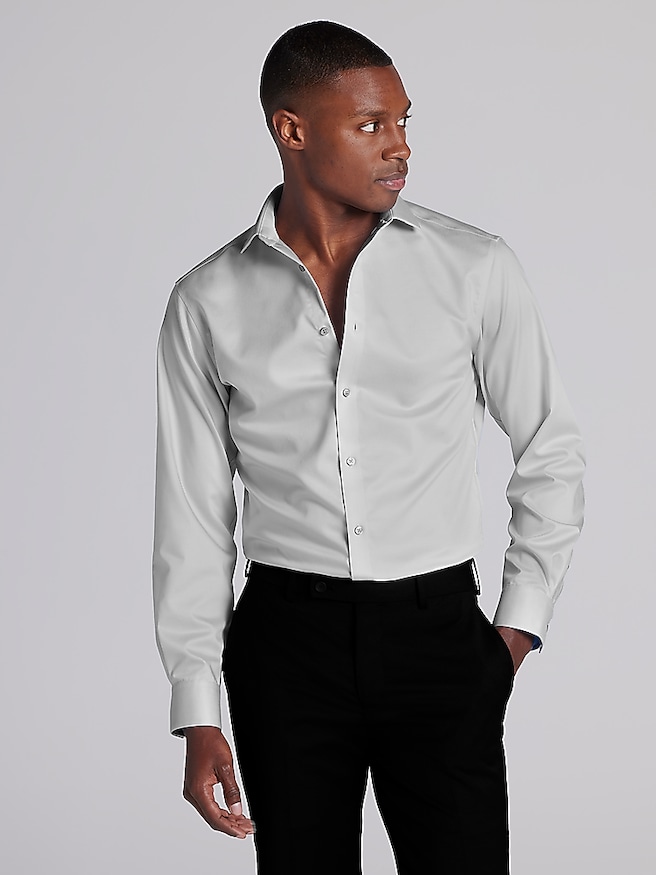
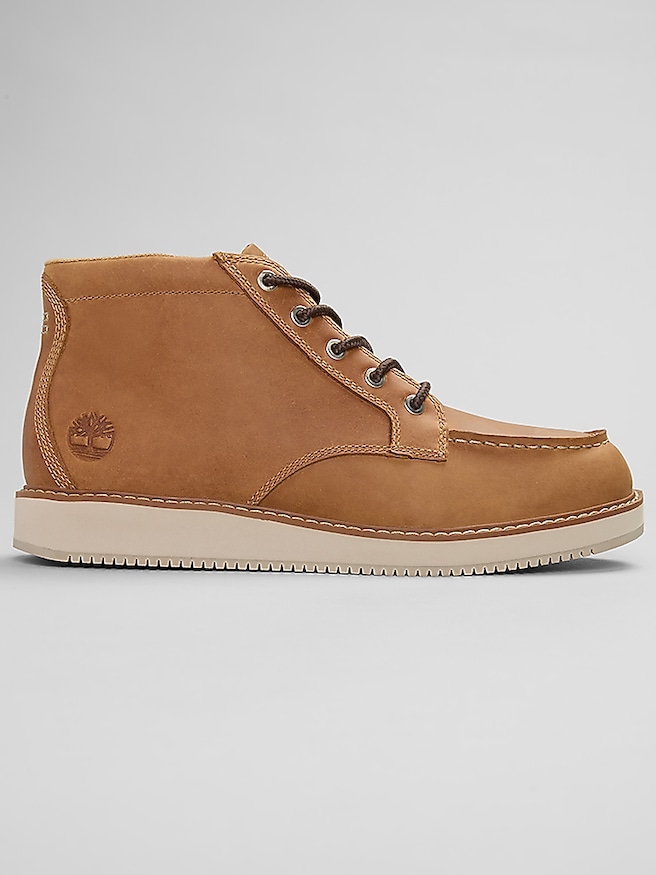
Office footwear for men brings a polished foundation to the workday, whether the setting calls for a tailored suit, pressed dress pants, chinos and a sport coat, or a more relaxed smart-casual combination. The right pair should look considered without demanding constant attention, allowing you to move from an early commute to meetings, presentations, lunches, and the final trip home with ease. Traditional office styles include oxfords, derbies, loafers, monk straps, and refined dress shoes with clean lines. A cap-toe finish can add a formal touch, while a plain-toe or subtly textured design may transition more naturally between business and smart-casual settings. Black often works best with charcoal, navy, and formal suiting, while shades of brown, burgundy, and tan can bring warmth to navy trousers, gray separates, khakis, and earth-toned layers. A sleek silhouette keeps the look professional, but comfort should remain part of the decision. Look for a supportive insole, a well-shaped footbed, and enough room for your toes to rest naturally without sliding inside the shoe. Cushioning can make a meaningful difference during long hours on hard floors, while a flexible rubber sole may provide dependable traction when sidewalks are damp during the cooler months. Leather offers a refined appearance and can develop character with regular care; high-quality synthetic materials can also provide a smooth finish and easy maintenance. Construction details matter as well. A securely attached sole, reinforced heel, balanced stitching, and a stable upper can help an office shoe hold its shape through repeated wear. In many cases, high-quality office shoes fall in the $100 to $200 range, with the final cost influenced by materials, construction, cushioning, and finish. Choosing carefully at the outset can make a pair feel more versatile and useful across the workweek rather than limiting it to a single outfit or occasion.
Office footwear should work with the rhythm of real life. A commuter may appreciate a pair with a cushioned footbed and a rubber outsole for walking between transit stops, parking areas, and the office entrance, while someone who spends most of the day at a desk may place greater emphasis on a streamlined profile and soft, flexible uppers. For frequent presentations or formal meetings, polished oxfords and structured derbies create a dependable impression with a suit, dress shirt, and coordinated belt. Loafers offer an easy, refined option for business-casual environments, especially when worn with pressed trousers, chinos, or a sport coat. In a more relaxed office, a clean leather sneaker-style silhouette or a minimally detailed casual dress shoe can maintain a professional appearance without feeling overly formal, provided the workplace dress code allows it. Fit is best considered with the socks you expect to wear, since thicker merino or dress socks can change the feel through the cooler season. A shoe should hold the heel securely while allowing the forefoot to move comfortably, and both feet should be measured when possible because a small difference in length or width is common. New footwear may benefit from short periods of wear at home before a full workday, giving the upper time to soften and revealing any pressure points early. Rotating between two or more pairs can also allow each pair to air out and recover between wears, which helps preserve shape and freshness. Simple care makes a noticeable difference: brush away surface dust, use a suitable conditioner on leather, insert shoe trees when available, and store shoes away from direct heat. During wet weather, allow damp footwear to dry naturally rather than placing it beside a radiator or other intense heat source. These practical details help office shoes remain presentable from the first crisp morning of the season through the colder days that follow.
A well-chosen pair can also make a thoughtful gift for a recent graduate beginning a first professional role, a colleague stepping into a new position, or someone refreshing a wardrobe for a return to the office. Footwear is especially useful when the recipient has a clear need for dependable workday essentials, though it helps to know their usual size, preferred width, daily routine, and workplace expectations. A classic black pair may suit formal environments and frequent suit wear, while a brown loafer or derby can offer more flexibility for someone whose office leans business casual. When the dress code is not fully formal, versatile styling becomes even more valuable: one pair that looks natural with navy trousers, gray wool pants, chinos, and a sport coat can serve across meetings and ordinary workdays. The finish should complement, rather than compete with, the rest of an outfit. Smooth uppers create a crisp, traditional impression; subtle grain or gentle texture can add depth without becoming distracting; and restrained details tend to remain useful as tastes change. Coordinating the belt with the shoe color creates a finished appearance, while matching socks to the trousers can visually lengthen the line of the leg. For additional wardrobe context, Classic Office Wear For Men offers a natural companion to an office footwear selection, helping connect polished shoes with shirts, trousers, jackets, and suiting. As temperatures shift and outdoor conditions become less predictable, dependable office shoes bring together appearance, comfort, and everyday practicality. The best pair feels at home beneath a tailored suit, adapts to a relaxed Friday outfit, and remains comfortable through the quiet routines that make up a full working day.