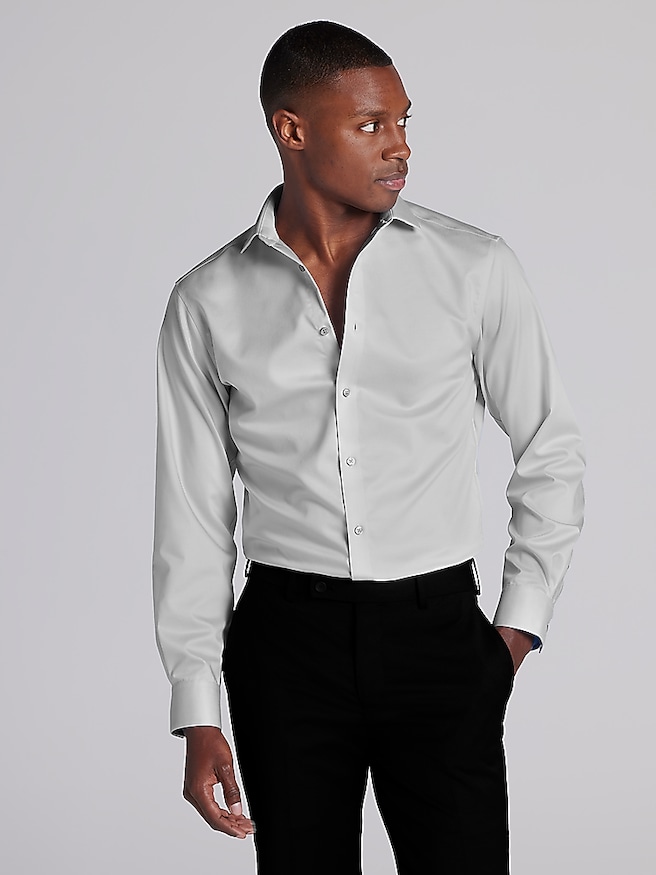
Stylish office wear for men brings together clean tailoring, comfortable fabrics, and coordinated colors that look professional without feeling overly formal. It spans the space between a full suit and relaxed business casual, with the right balance shaped by the workplace and the day’s responsibilities. A client presentation may call for a structured jacket and sharply pressed trousers, while an internal planning session can suit a button-down shirt with tailored chinos. The common thread is a deliberate silhouette: shoulders that sit naturally, a shirt that stays neat when tucked, and pants that fall cleanly over the shoes. Navy, charcoal, gray, and shades of brown create a versatile foundation because they work easily with white, light blue, muted stripes, and subtle checks. Texture adds interest without making an outfit feel busy. A fine woven jacket, smooth cotton shirt, and trousers with a soft, even finish can create depth within a restrained color palette. For offices that favor smart casual dressing, an unstructured blazer or a fine-gauge knit can soften the formality while keeping the overall appearance composed. More traditional combinations, including those associated with Classic Office Wear For Men, emphasize coordinated tailoring, familiar patterns, and understated accessories. Both approaches have a place in a working wardrobe, especially when responsibilities move between desk work, meetings, presentations, and professional gatherings. A tie can sharpen the impression for a formal conversation; an open collar can make the same foundation feel more approachable when the dress code allows it. Shoes and belts help complete that impression through complementary colors and a similar level of formality. A polished leather shoe generally reads dressier than a casual suede style, even alongside the same trousers. The strongest office outfits do not need a dramatic detail to stand out. Balanced proportions, well-kept fabric, and a consistent level of dress across the outfit give everyday workwear its quiet confidence. That consistency also makes repeated combinations feel intentional rather than repetitive.
Fabric and fit determine how office clothing feels through a full schedule, not just how it looks before leaving home. Wool is valued in tailored clothing for its drape, resilience, and ability to regain its shape after ordinary wear. Finer, smoother weaves tend to present a dressier surface, while more visible texture can lend itself to separates and business casual combinations. Cotton offers a familiar feel in shirts and chinos, with differences in weave affecting softness, structure, and the way creases appear. Poplin has a relatively smooth, crisp appearance, while Oxford cloth brings a more noticeable texture that often feels less formal. Blended fabrics may combine the character of natural fibers with added stretch or wrinkle resistance, but those qualities depend on the actual construction and fiber content. Stretch can make sitting, reaching, and moving between appointments more comfortable; it does not replace a well-proportioned fit. A jacket should allow the arms to move without pulling sharply across the back, and its front should lie smoothly when fastened. Shirt collars need enough room to feel comfortable while maintaining a tidy line, particularly when worn with a tie. At the waist and seat, trousers should provide ease without sagging or creating excess folds. A slim silhouette can look streamlined, while a more relaxed tailored fit allows additional room through the body and legs. Neither needs to appear tight or oversized to look contemporary. Length matters, too: sleeves that disappear over the hands and trouser hems that collect heavily around the ankles can distract from otherwise good clothing. Small alterations often bring the proportions into better balance, especially for men whose shoulder, waist, and inseam measurements do not align neatly within one size. For a commute followed by hours at a desk, smooth seams, comfortable waist construction, and fabric that moves naturally can matter as much as the outward styling. Clothing that remains comfortable while seated is more likely to feel right through a long meeting or a working lunch.
A versatile office wardrobe also depends on how easily its pieces work together and how well they hold up with regular care. Separates in compatible tones make it possible to repeat clothing without repeating an entire look: gray trousers can support a navy jacket and pale shirt for one setting, then pair with a textured knit for a less formal day. Patterns are easiest to balance when their scale differs and one remains the clear focal point. A small shirt check, for example, can sit comfortably beneath a solid jacket without competing for attention. These combinations serve men entering a first professional role, experienced managers refining an established wardrobe, and anyone moving between workplaces with different expectations. For someone celebrating a graduation or career milestone, office clothing can also make a thoughtful gift when fit, dress requirements, and care preferences are understood. Long-term usefulness comes from construction as well as styling. Secure buttons, even seams, stable pocket openings, and fabric that returns to shape after movement are practical details worth noticing. Areas subject to repeated friction, including the seat, cuffs, and pocket edges, benefit from appropriate fit rather than constant strain. Care requirements vary, so the garment label remains the best reference for washing, drying, ironing, or professional cleaning. Tailored jackets generally benefit from supportive hangers and space to hang freely, while folded storage can help knits avoid stretched shoulders. Prompt attention to spills, a gentle clothing brush when suitable, and careful pressing can preserve a neat appearance without unnecessary cleaning. Rotating frequently worn clothing also allows fabric to rest between uses. These habits support the details that make office wear look polished: an even collar, a smooth jacket front, a clean hem, and shoes kept in good condition. From a routine day at the desk to an important introduction, stylish work clothing is most effective when it feels appropriate to the setting, comfortable in motion, and natural to the person wearing it.