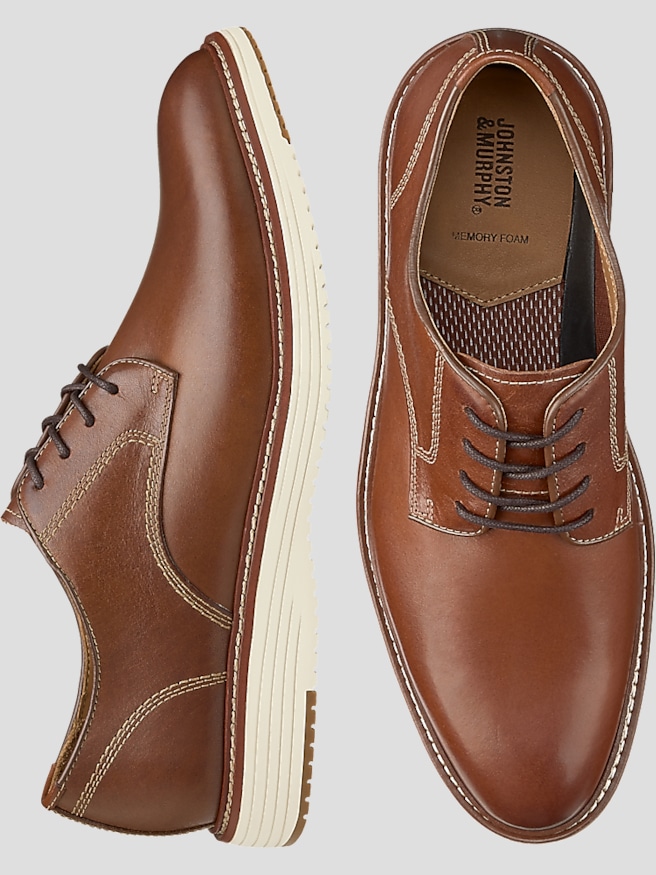
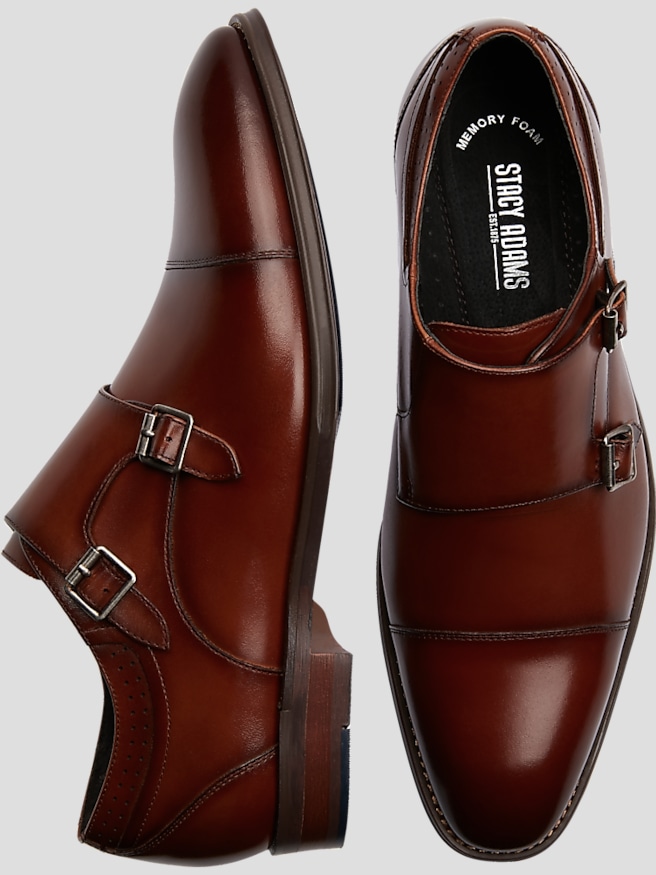
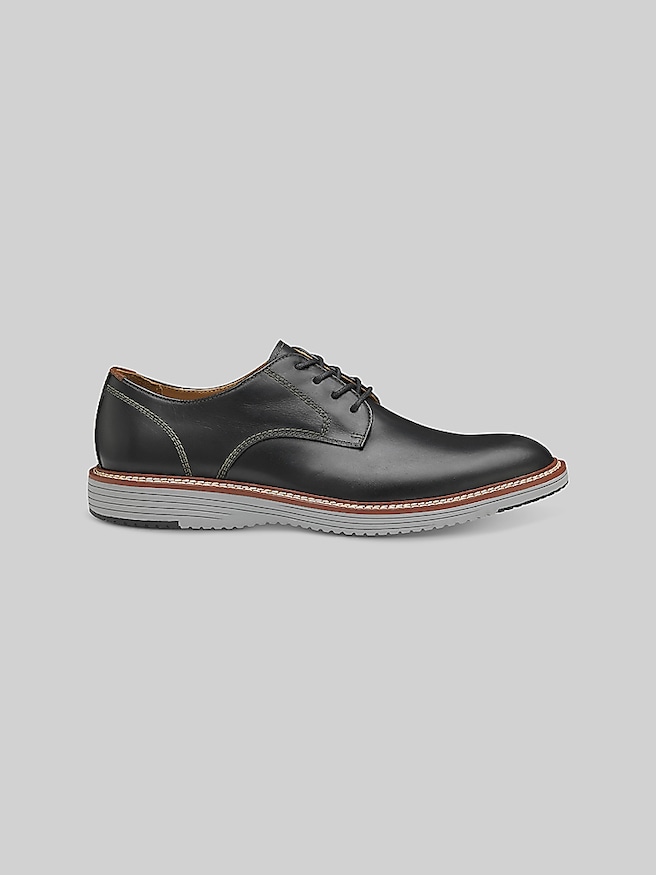
Shoes for businessmen should bring together a polished appearance, dependable comfort, and enough versatility to move easily through a full day. The right pair may begin in a morning commute, continue through client meetings and presentations, and end at a dinner where a professional appearance still matters. For the most traditional offices, Oxford shoes remain a reliable choice. Their closed lacing creates a clean, streamlined profile that looks especially refined with a tailored suit, making them well suited to interviews, boardrooms, formal conferences, and important client meetings. Cap-toe designs add a subtle seam across the toe box, giving the shoe structure and visual interest without making it feel overstated. A smooth leather finish in a classic dark shade can complement navy, charcoal, and black suiting, while warm brown tones bring flexibility to blue, tan, and gray tailoring. Derby or blucher shoes offer another practical option, with open lacing that often provides a little more room across the instep and a slightly less formal character. That balance makes them useful for businessmen who move between tailored clothing and business-casual outfits throughout the week. Consider the shape of the toe, the height and stability of the heel, the flexibility of the sole, and the way the upper is finished. A shoe that looks sharp on a store shelf should also feel secure when walking across a lobby, standing through a presentation, or navigating a long airport terminal. Leather uppers can develop a handsome finish over time, while cushioned footbeds and supportive construction can make demanding days feel considerably easier. Sizing is equally important: toes should have room to move, the heel should stay in place, and the widest part of the foot should rest comfortably at the shoe’s broadest point. A properly fitted pair can make a suit sit better from the ground up, while an uncomfortable pair can distract from even the most carefully chosen outfit.
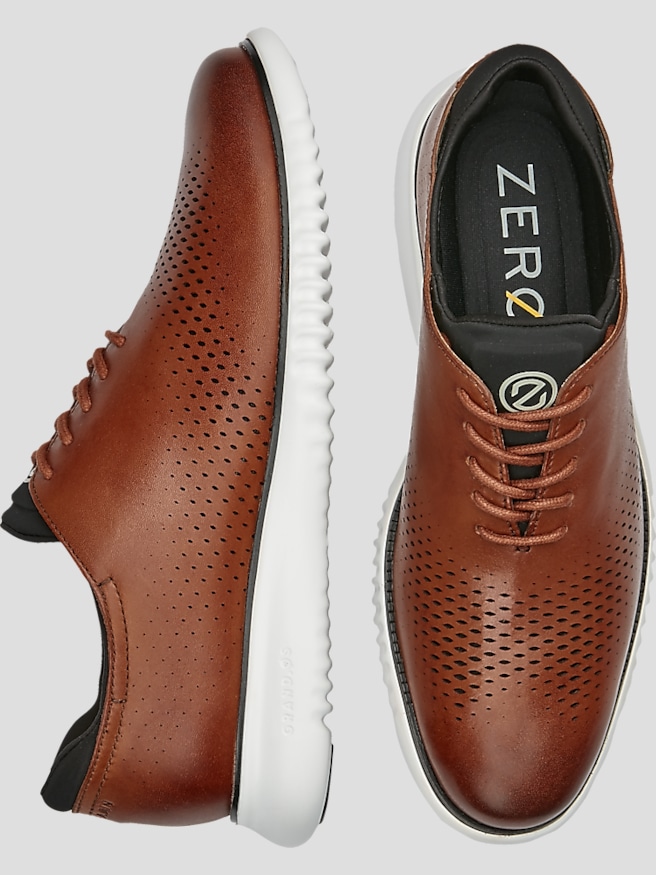
Business-casual workplaces call for shoes that are polished without feeling overly formal. Penny loafers and other slip-on styles are particularly useful because they pair naturally with chinos, tailored trousers, cotton suits, sport coats, and open-collar shirts. Their simple shape can look relaxed during a regular workday but still composed enough for an afternoon appointment or dinner after the office. Loafers are also convenient for frequent travelers, especially when easy on-and-off wear is helpful at security checkpoints or when a packed schedule leaves little time for fussing with footwear. For men who spend much of the day on their feet, hybrid dress sneakers can offer a modern alternative, combining a clean leather or leather-like upper with a cushioned athletic-inspired sole. These styles are most appropriate in casual offices, creative workplaces, and other settings where the dress code allows contemporary footwear; a conservative firm or formal client meeting may still call for traditional lace-ups. Neutral colors and minimal detailing help dress sneakers maintain a professional appearance, while flexible soles can make commutes and walks between appointments more comfortable. Think about the clothing already in the closet before choosing a pair. A dark, streamlined shoe often works across the widest range of formal outfits, while a brown or lighter-colored option can add variety to navy trousers, olive chinos, and textured fall tailoring. During warmer weather, breathable linings and lighter construction can help keep feet comfortable, while cooler months may make fuller leather uppers and secure rubber soles especially appealing on wet sidewalks. In every season, traction deserves attention. A dependable sole can provide confidence on polished floors, pavement, and slick outdoor surfaces without sacrificing the refined look expected in a professional setting. Rotation also matters: wearing the same pair every day can shorten its life and prevent the upper from recovering between uses. Keeping two or more pairs in regular rotation, allowing them to air out, and using a shoe tree when appropriate can help preserve their shape and appearance. Basic care, including brushing away dust, promptly wiping off moisture, and applying a suitable conditioner, can keep business footwear looking composed long after its first wear.
A well-chosen pair of professional shoes can be a thoughtful gift for a recent graduate, a new manager, a job seeker, or anyone preparing for a busy season of interviews, travel, and office events. It is a particularly practical gift because the recipient may wear it repeatedly, whether stepping into a first workplace, attending a wedding in a suit, or presenting to an important customer. When shopping for someone else, versatile styling and comfort are usually safer choices than highly distinctive details. A classic Oxford, a refined Derby, or a polished loafer can serve different dress codes and work with clothing the recipient already owns. If the office leans more casual, a clean hybrid dress sneaker may be a useful addition, provided it suits the workplace’s expectations. Gift shoppers should consider sizing carefully and keep the recipient’s usual footwear preferences in mind, since width and arch comfort can differ from one person to another. For professionals who divide their time between a formal office and a more relaxed environment, having several silhouettes can make getting dressed easier: traditional lace-ups for high-stakes meetings, loafers for everyday business casual, and comfortable modern styles for commuting or less formal days. Those shopping for wardrobes connected to financial services and other conservative professions may also appreciate browsing Shoes For Bankers for similarly polished inspiration. Ultimately, the best shoes for businessmen are the ones that support the demands of the day while quietly reinforcing personal style. They should feel at home beneath a crisp suit, tailored trousers, or well-fitted chinos; remain comfortable from the first appointment to the final handshake; and hold their shape through changing routines and cooler months. With thoughtful attention to fit, materials, color, sole construction, and dress-code expectations, professional footwear becomes more than a finishing touch. It becomes a dependable part of the workday wardrobe, ready for early departures, bright conference rooms, rainy walks, and the steady confidence that comes from feeling well dressed.