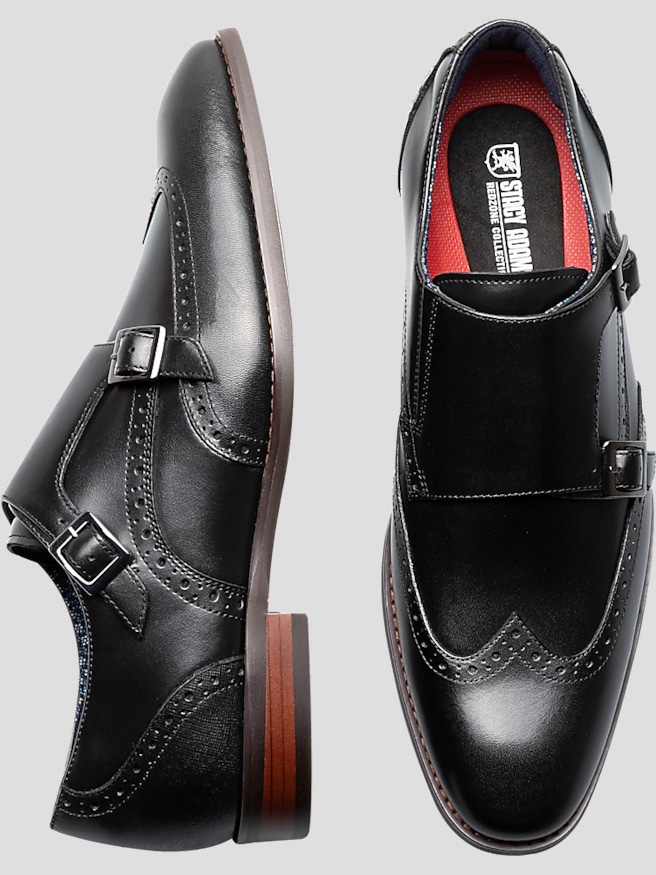
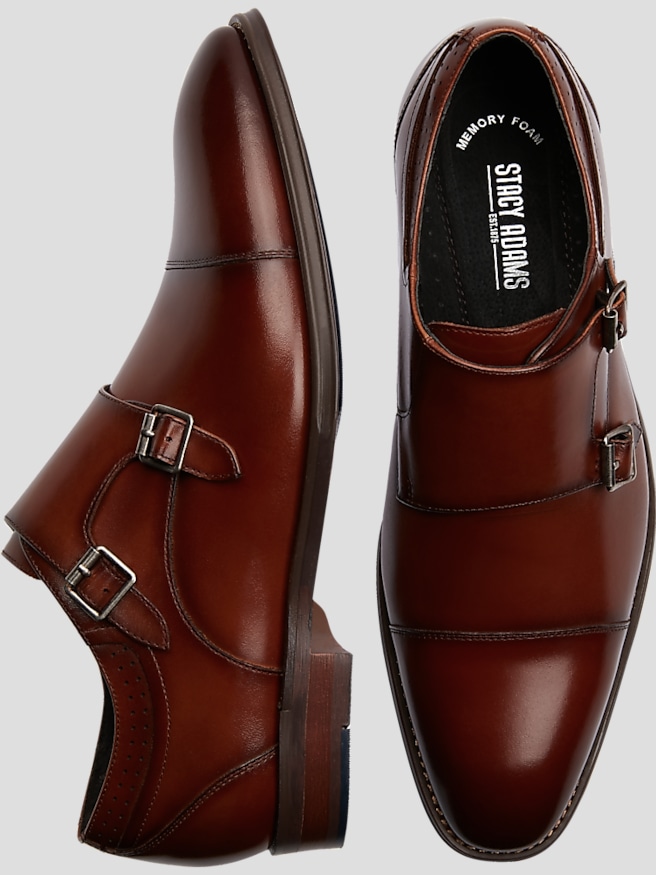
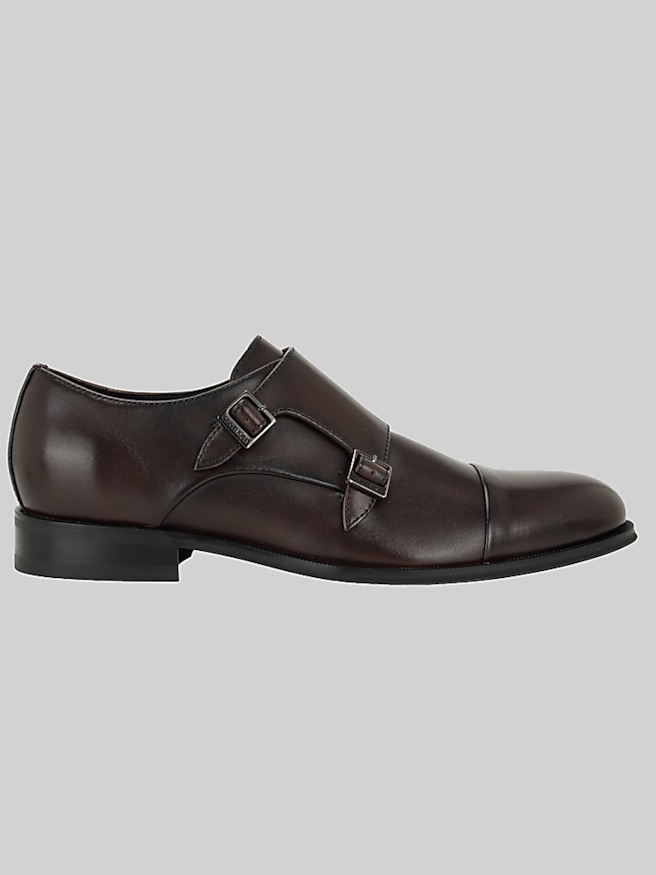
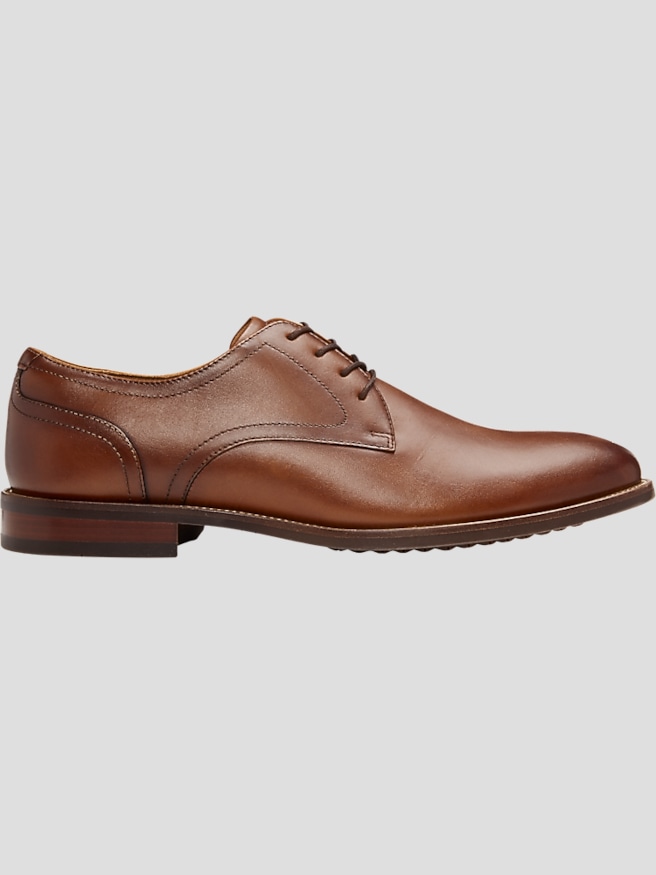
Shoes for bankers are polished dress shoes suited to professional financial settings, where understated styling, a neat finish, and dependable comfort matter throughout the workday. Classic leather Oxfords, derbies, and structured loafers all have a place in this wardrobe, with the appropriate choice shaped by the office dress code and the demands of the role. A banker greeting clients across a desk may need a more traditional look than an analyst working in a business-casual office, while a branch associate moving between service stations needs footwear that feels comfortable beyond a seated meeting. Black cap-toe Oxfords are a traditional match for charcoal and navy suits, offering a clean profile with minimal decoration. Their closed-lacing construction brings the facing edges together for a sleek appearance that works particularly well with tailored trousers. Derbies have open lacing, giving them a slightly more relaxed character and, depending on their construction, more room to adjust across the instep. Dark brown leather can complement navy or medium-gray tailoring where the dress code permits, adding depth without drawing attention away from the overall outfit. Leather loafers are another option for offices that allow less formal footwear, especially when their shape is structured and their detailing restrained. Penny straps, modest hardware, and simple stitching generally create a quieter impression than oversized embellishments or pronounced contrast. Smooth leather, subtle cap toes, and rounded or softly tapered toe shapes tend to work across interviews, client appointments, presentations, and ordinary desk days. Decorative perforations can add texture, although extensive broguing usually feels less formal than a plain or cap-toe design. The goal is not an elaborate shoe wardrobe but a consistent finish: footwear that looks intentional beneath a trouser hem, sits comfortably alongside a suit, and remains appropriate when a routine morning becomes an unexpected meeting with senior colleagues. In more conservative settings, understated shoes also make it easier to repeat outfits without the footwear becoming the most memorable part of the look.
Materials and construction influence how business footwear looks, feels, and holds up to repeated wear. Smooth leather uppers offer a traditional appearance and can develop a richer surface character with proper care, while suede has a softer texture that generally belongs in more relaxed office settings. Full-grain leather retains its natural surface, but leather descriptions alone do not determine comfort or longevity; lining, stitching, sole construction, and fit all contribute. A flexible upper should move with the foot without collapsing excessively across the toe, and the interior should feel smooth around the heel and along the sides. For bankers who spend substantial time standing, cushioning can soften the feel underfoot, while a supportive footbed and stable heel can make long stretches at a service counter more manageable. A soft first impression is useful, but it should not come at the expense of a secure fit. Toes need room to rest naturally without pressing against the front, the widest part of the foot should align with the widest part of the shoe, and the heel should stay reasonably secure during walking. Leather may soften with wear, but a painfully tight shoe should not be expected to become the correct size. Trying footwear with the type of dress socks normally worn to work gives a more useful sense of fit than testing it with unusually thick or thin socks. Loafers deserve particular attention at the heel because their slip-on design offers less adjustment than laces. Underneath, leather soles provide a traditional finish, while rubber soles can offer flexibility and traction; the actual grip depends on the tread, material, and walking surface. A discreet rubber sole can preserve a dressy profile without looking bulky beneath tailored trousers. Reinforced stitching, neatly finished edges, and a well-attached sole are useful construction details to examine. Some welted designs may be suitable for resoling, though that depends on the shoe’s construction and condition rather than appearance alone.
Everyday care helps shoes for bankers maintain the clean presentation expected in client-facing work. A soft cloth or appropriate brush removes surface dust before it works into creases and seams, and leather conditioner used according to the material’s care instructions can help keep smooth leather supple. Conditioner and polish serve distinct purposes: conditioning supports the leather’s condition, while a suitable cream or wax polish helps restore color and refine the finish. A restrained shine is usually enough for office wear; a mirror-like finish is a styling choice, not a requirement for looking professional. Suede needs its own brush and compatible care products rather than the same treatment used on smooth leather. Cedar shoe trees can help absorb residual moisture from wear and support the shape between uses, while alternating pairs gives each pair time to air out. Keeping heel edges, sole edges, and laces tidy matters, too, since those small details are visible when seated across from a client or walking into a conference room. Worn heel tips or separating soles deserve attention before they affect the shoe’s balance or allow further damage. For a wardrobe that spans formal appointments and more relaxed office days, Modern Business Shoes can complement traditional lace-ups while maintaining a professional appearance. A streamlined loafer with tailored chinos may suit an internal planning day, while a black Oxford with a dark suit can provide a more formal finish for a presentation or interview. Shoes can also be a practical gift for someone beginning a banking career, completing an internship, or stepping into a role with more client contact. The most useful choice reflects the recipient’s established size, preferred fit, workplace expectations, and daily routine rather than a dramatic change in style. Across those occasions, understated design and thoughtful maintenance help professional footwear remain useful well beyond a single event, supporting a wardrobe built around repeat wear and consistent presentation.