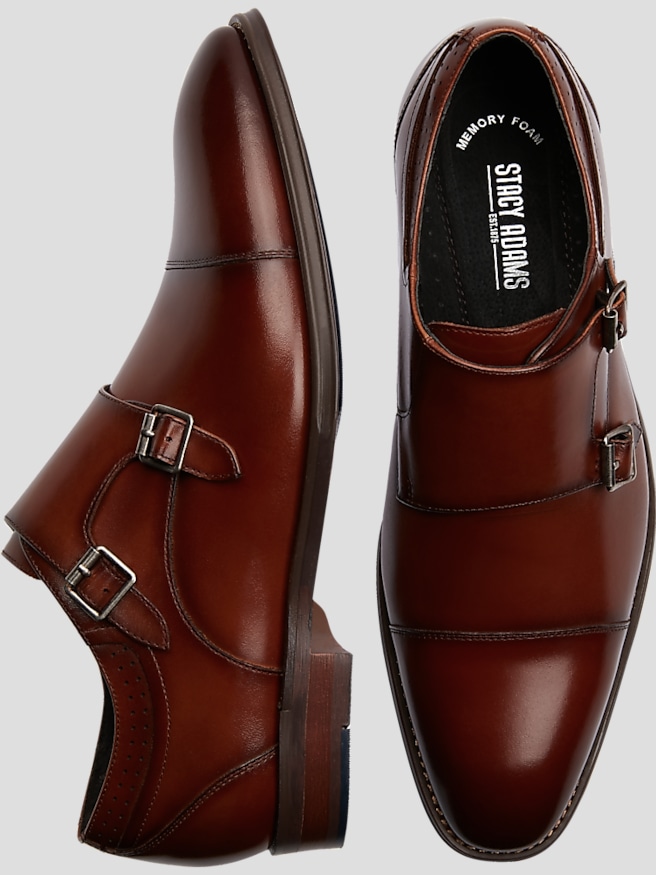
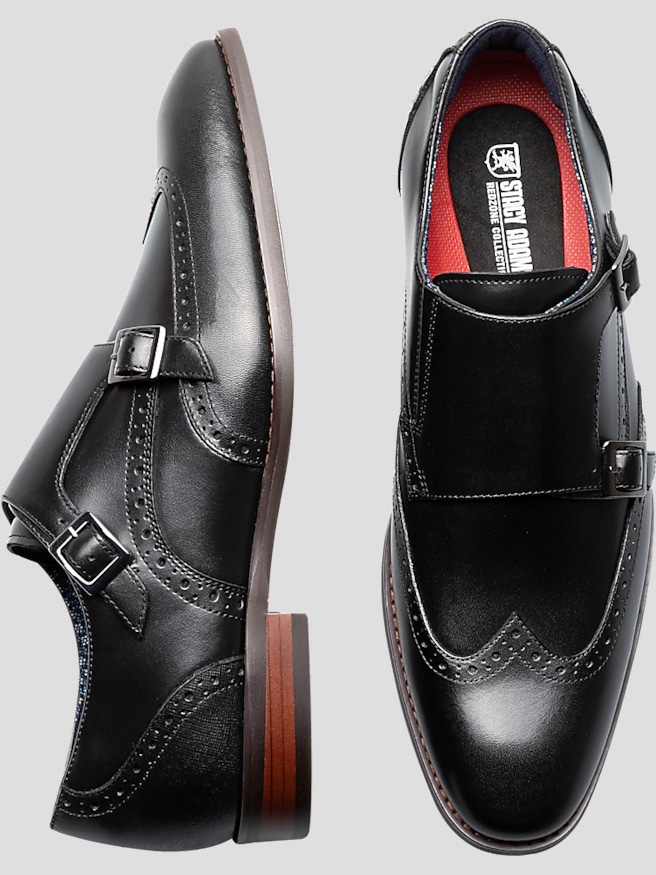
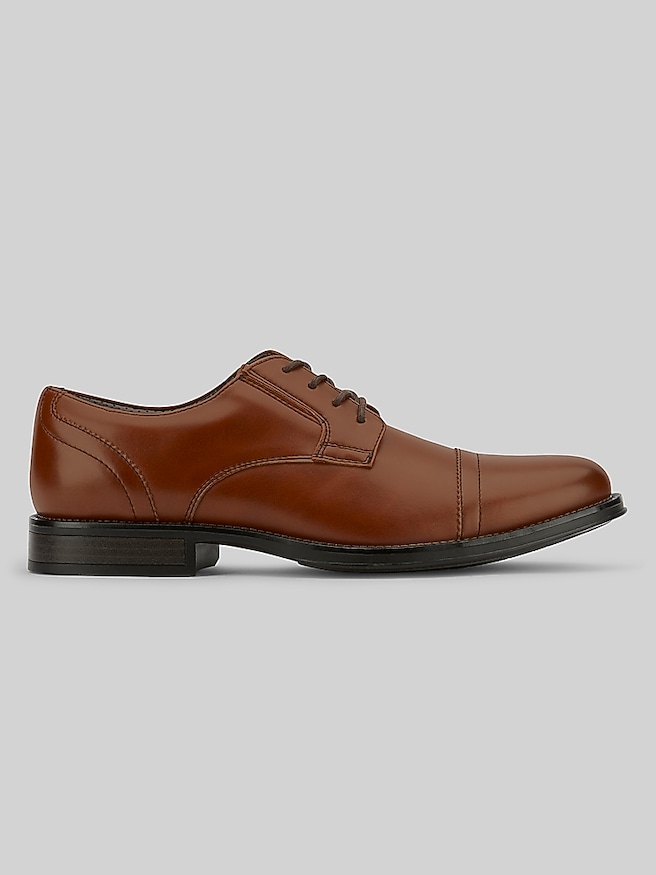
Black business shoes for men bring a clean, grounded finish to professional clothing, whether the day calls for a suit and tie, tailored separates, or dress pants with a button-down shirt. Their appeal comes from versatility: a well-chosen black pair can look entirely at home beneath charcoal trousers in a conference room, a navy suit at a client presentation, or black dress pants at an evening reception. The shape of the shoe sets much of the tone. Oxfords have closed lacing, with the lace panels attached beneath the front of the upper, creating a neat profile that suits more formal business settings. Derby shoes have open lacing and a slightly more relaxed appearance, making them a natural companion to both suits and less structured office clothing. Loafers offer a streamlined, slip-on option for workplaces where the dress code allows some flexibility. A plain toe keeps the look restrained, while a cap toe adds a defined seam across the front without drawing much attention. Decorative perforations, often called broguing, introduce texture and usually give a shoe a less formal character than an otherwise similar plain style. These details matter when the goal is to look appropriately dressed rather than simply dressed up. A smooth, lightly polished finish can complement crisp tailoring, while a softer sheen works well with textured trousers and an unstructured jacket. Toe shape also affects the overall impression: rounded and gently tapered profiles tend to coordinate easily with classic professional wardrobes, without the exaggerated proportions of a very long or sharply pointed toe. For broader context on footwear that complements office clothing, Shoes For Businessmen connects naturally with the same emphasis on professional polish and everyday wear. Black footwear also pairs easily with a black leather belt, creating a coordinated foundation without requiring every accessory to have an identical finish. The most useful choice reflects the actual workplace, from a traditional firm where formal tailoring is routine to an office where clean lines and a relaxed dress code carry equal weight.
Materials and construction help determine how black business shoes feel after several hours, not just how they look when first put on. Smooth leather is a familiar choice because it can develop character with wear and respond well to appropriate conditioning and polishing. Full-grain leather retains the hide’s natural surface, while top-grain leather has been refined for a more uniform appearance; neither label alone tells the whole story of comfort or workmanship. Leather thickness, flexibility, lining, and finishing all contribute to the experience. Suede has a softer, matte texture that can suit more relaxed professional settings, although it calls for different care than polished leather. Synthetic uppers can offer a consistent appearance and straightforward maintenance, with breathability and flexibility varying by construction. Inside the shoe, a smooth lining and carefully finished seams can make a noticeable difference during a day that includes a commute, meetings, and time spent standing. Cushioning may soften the feel underfoot, but a thick footbed cannot make up for a shape that pinches the toes or presses across the instep. Fit should leave enough space for the toes to rest naturally while holding the foot securely through the heel and midfoot. Trying shoes with the socks intended for office wear gives a more useful sense of fit than trying them with unusually thick athletic socks. Feet can also feel fuller later in the day, so an end-of-day fitting may better reflect extended wear. Leather may soften with use, but painful pressure is not something to accept as a necessary break-in stage. Lace-up styles allow some adjustment across the instep, while loafers depend more heavily on a close match between the shoe’s shape and the foot. Underneath, leather soles provide a traditional dress-shoe profile, while rubber soles can offer flexibility and grip for moving between parking areas, corridors, and stairs. Sole thickness, tread, and heel shape influence stability as well as appearance. For someone who moves around a large workplace or spends hours greeting clients, comfortable support and secure footing deserve as much attention as a polished upper.
Regular care helps black business shoes maintain the sharp appearance that makes them useful in a professional wardrobe. Dust and surface residue can be removed with a soft brush or cloth before applying any treatment, since polishing over debris can leave an uneven finish. For smooth leather, a suitable conditioner helps keep the material supple, while compatible black cream or polish can refresh color and address light surface scuffs. Small amounts applied evenly are generally more effective than a heavy coating, and a soft brush can restore a controlled shine once the product has settled. The manufacturer’s care directions remain important, especially for coated leather, suede, and synthetic materials that may react differently to standard shoe-care products. Suede benefits from a dedicated brush rather than the creams used on smooth leather. After wear, allowing shoes to air out before putting them away helps manage moisture inside the lining; direct heat can dry leather too aggressively. Properly sized shoe trees can help preserve the shape of leather uppers, and using a shoehorn reduces repeated pressure on the heel counter. Alternating pairs, when practical, gives each one more time to dry between outings. Durability also depends on the parts that receive the most wear: the heel, outsole, flex points, and stitching deserve occasional attention. Some constructions allow worn soles or heels to be replaced by a shoe repair professional, though repair options depend on how the shoe is made. Beyond maintenance, thoughtful proportions keep the complete outfit looking intentional. Trouser hems should meet the shoe cleanly rather than gather heavily over it, and dark dress socks create a continuous line when seated or walking. Black business shoes can serve someone building a first professional wardrobe, returning to an office-based role, or preparing for interviews and important presentations. They can also make a practical graduation or career-milestone gift when the recipient’s size, preferred fit, and workplace expectations are known. A pair that feels secure, suits the dress code, and receives consistent care can become a dependable part of getting dressed for work.