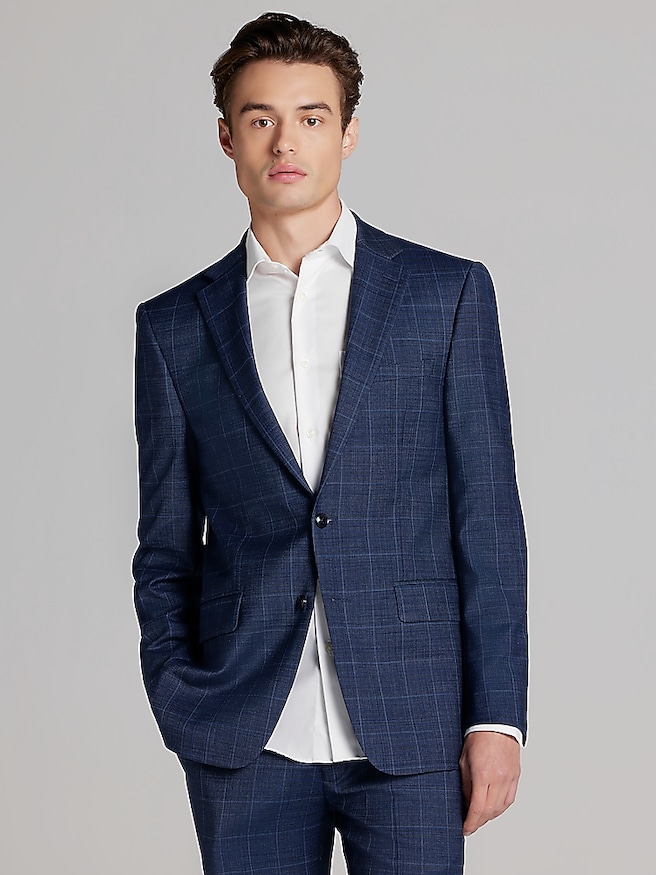
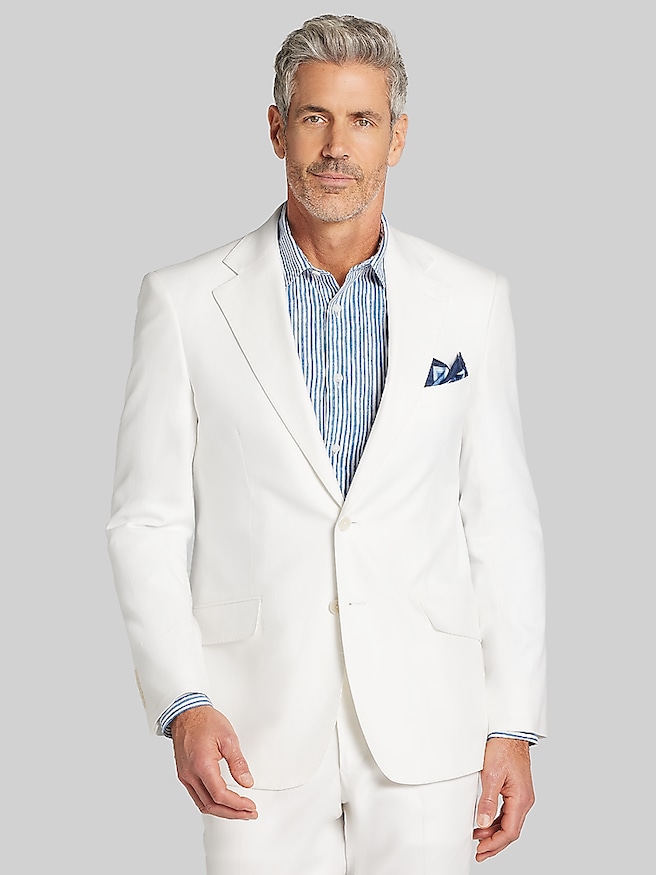
Men’s seasonal fabrics bring together the fibers, fabric weights, and textures that make clothing comfortable for its intended setting. Lightweight linen, cotton, and open-weave wool allow more airflow for warm conditions, while wool flannel, tweed, corduroy, and substantial knits provide more insulation for fall and winter wear. The fiber label tells only part of the story: a loosely woven wool jacket can feel lighter than a densely woven cotton one, and lining, construction, and layering also affect warmth. That distinction matters for a day that includes a brisk walk to the office, several hours indoors, and dinner afterward. Clothing needs enough substance for the trip without feeling cumbersome once a coat comes off. Wool is particularly useful in tailored clothing because its natural crimp helps trap air, while its resilience helps a garment recover from ordinary creasing. Smooth worsted wool generally has a cleaner surface and sharper appearance than brushed wool flannel, making it well suited to polished business settings and dressier occasions. Lighter wool constructions can work across a broad range of conditions, while heavier versions offer more body and warmth. Cotton brings a familiar feel to shirts and trousers, with its comfort shaped by the weave: airy constructions feel quite distinct from substantial twill. Linen has a dry, textured hand and breathable character that suits relaxed tailoring and warm-weather gatherings. Its visible creasing is part of the fabric’s personality rather than a sign of poor quality. Linen blends can temper that crispness or change the drape, depending on the other fibers involved. Across these materials, fabric weight and finish help explain why two garments with similar fiber content may serve very different purposes. A smooth, closely woven surface looks precise under office lighting; a brushed or slubbed surface adds depth to an otherwise simple outfit.
For fall and winter wardrobes, texture often provides both visual interest and practical comfort. Wool flannel has a softly brushed surface that gives tailored clothing a fuller appearance without requiring a bold pattern. Cotton flannel offers a similarly soft touch in casual shirts, although its warmth and moisture behavior differ from wool. Tweed is typically a textured wool fabric with enough character to complement understated shirts and knitwear. Herringbone describes a zigzag weave pattern rather than a fiber, so its weight and feel depend on the material and construction. A pronounced herringbone can lend a jacket definition, while a finer version reads as subtle texture from across a room. Corduroy’s raised ribs, called wales, give cotton-based trousers and jackets a distinctive surface; finer wales tend to look more understated, while wider wales create a bolder, more casual impression. Cotton moleskin has a dense weave and a softly brushed face, offering substance without corduroy’s ribbed appearance. Neither texture alone guarantees protection from wind or rain, so outerwear construction still matters for time spent outside. Merino wool and cashmere bring another kind of seasonal comfort through knitwear. Fine merino can sit neatly beneath tailoring, while cashmere is valued for its soft hand and warmth relative to its weight. A fine-gauge sweater leaves room for a jacket to move naturally; a chunky knit usually needs more space through the chest, shoulders, and sleeves. That relationship between fabric and fit becomes especially noticeable when sitting at a desk, reaching for an overhead bag, or wearing several layers on a long commute. A well-fitting layered outfit should allow those movements without pulling across the back or bunching at the armholes. Heavier cloth also changes the way trousers hang, often creating a more substantial line through the leg. Enough ease at the seat and thigh helps preserve that drape, while a clean hem keeps textured trousers looking intentional with dress shoes or boots. Comfort comes from the combination of cut, weight, and construction, not simply from choosing the thickest fabric.
Durability and care are just as important as the first impression of a fabric. A tightly woven cloth may stand up well to regular friction, but fiber quality, yarn construction, finishing, and garment workmanship all influence how clothing wears over time. Softness does not automatically mean strength, and a substantial feel does not make a garment immune to abrasion. Pilling can develop where fibers rub against a chair, bag strap, or another layer, particularly on soft knits. Careful use of an appropriate fabric comb or sweater shaver can improve the surface, provided the garment’s care guidance allows it. The sewn-in care label should determine cleaning methods: some wool knits require hand washing or dry cleaning, while some cotton garments tolerate machine washing. Heat and agitation can shrink or distort certain fabrics, and tailored jackets often need professional attention because of their internal structure. Between cleanings, airing clothing, gently brushing suitable wool fabrics, and allowing garments to rest can help maintain their appearance. Supportive hangers help jackets retain their shape, while folding sweaters avoids stretched shoulders. These everyday details matter for clothing worn repeatedly to the office, weekend dinners, family gatherings, and celebrations. Seasonal fabric choices also influence how easily an outfit moves between those settings. A textured jacket can make a simple shirt feel more considered, and fine knitwear can soften the formality of tailored trousers without looking careless. The combinations featured in Mens Versatile Seasonal Fits offer another way to consider how fabric, silhouette, and layering work together. For gifts, scarves and knitwear can be thoughtful choices when the recipient’s preferred textures, sensitivity to wool, and care habits are known. Someone who spends most days in heated interiors may appreciate lighter layers more than dense knits. Matching the fabric to those routines gives seasonal clothing a useful place in a wardrobe, with texture, comfort, and lasting wear carrying as much weight as appearance.