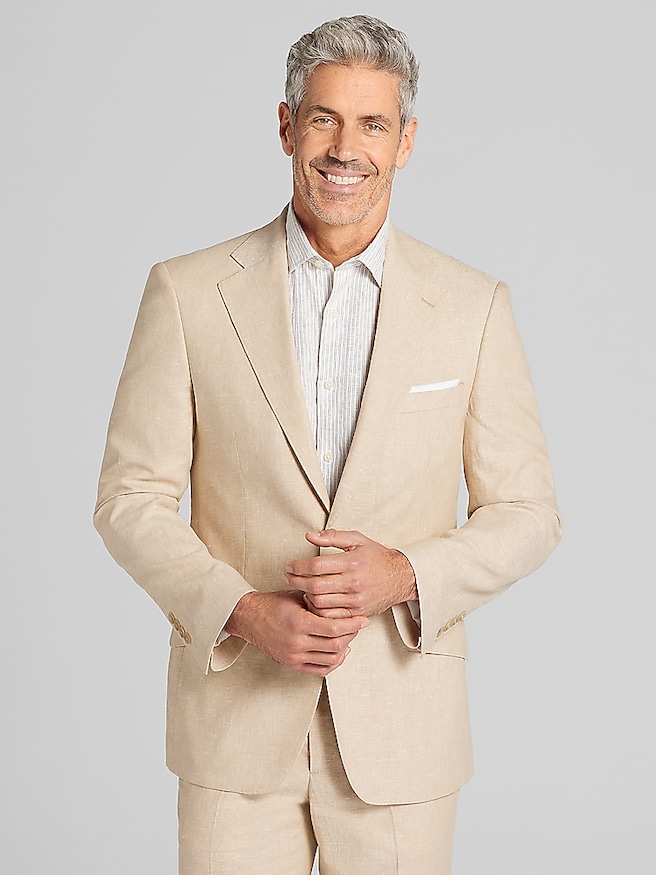
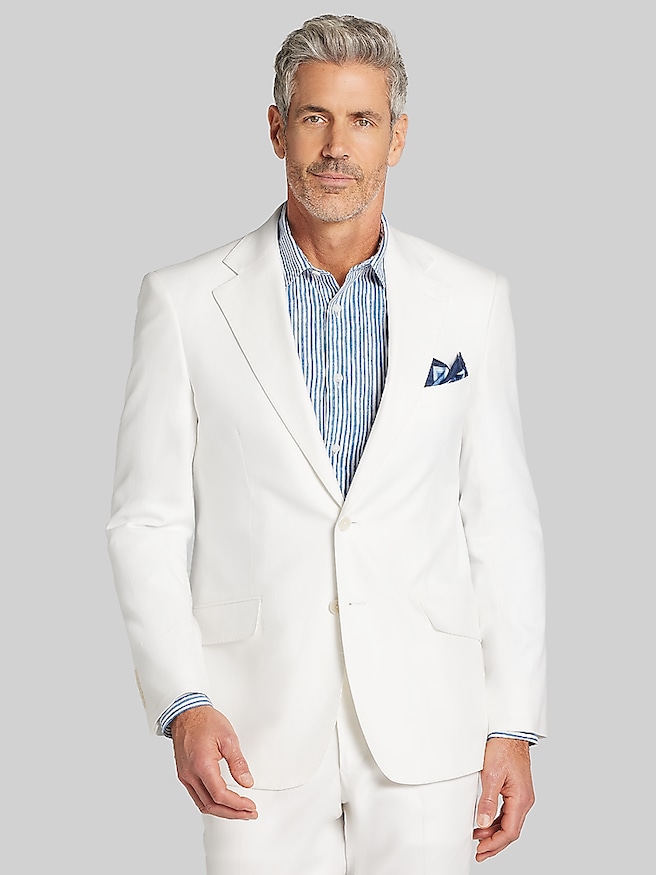
Men's versatile seasonal fits bring together the comfort of everyday clothing and the polish of a wardrobe that works beyond a single occasion. For fall and winter dressing, that versatility often comes from thoughtful layers: a shirt that sits smoothly beneath knitwear, trousers that look at home with both boots and dress shoes, and a jacket with enough room for a light sweater without losing its shape. These combinations suit the ordinary changes within a busy day, from a chilly morning commute to a heated office, then dinner across town. The most useful pieces have a clear role on their own while also working easily with the rest of an outfit. A textured sweater adds depth to clean, simple trousers; a softly structured jacket gives a casual shirt a more finished appearance. Neither combination needs elaborate styling to feel complete. For a business-casual workplace, restrained colors and smooth silhouettes keep layered clothing professional without making it overly formal. For weekend lunches, family gatherings, or an evening performance, a little texture can provide the same sense of intention with a more relaxed feel. Versatility also depends on how comfortably an outfit handles movement. Sitting through a meeting, walking several blocks, or spending an afternoon on the road calls for clothing that does not pull across the back or bind at the waist. Layers that can be removed individually are especially practical when indoor and outdoor temperatures vary. Rather than relying on one heavy garment to do everything, balanced combinations allow warmth and formality to be adjusted separately. An outer layer can come off at the coat check while the shirt, knitwear, and trousers beneath still look considered. That flexibility makes seasonal clothing useful for commuters, frequent travelers, office professionals, and anyone whose plans regularly move between casual and dressed-up settings. It also gives familiar wardrobe staples more opportunities for wear, with small changes in shoes, layers, or accessories creating a noticeably distinct look.
Fabric plays a large part in how seasonal clothing feels, drapes, and holds up to repeated use. Wool and wool-blend fabrics can provide warmth without the bulky appearance of heavy layering, while their natural texture adds visual interest to otherwise simple combinations. Fine-gauge knits generally sit more neatly under jackets than thick, heavily textured sweaters, making them useful when a streamlined silhouette matters. Cotton offers a familiar feel against the skin, and brushed finishes can lend softness to shirts and trousers intended for relaxed fall and winter wear. Corduroy brings a more visible texture, with narrow ribs offering a subtler effect than wider ones. Flannel has a softly finished surface that pairs naturally with smooth shirting or understated knitwear. Fabric weight matters as much as fiber content: a substantial cloth may hang cleanly and feel reassuring outdoors, while a lighter layer can be easier to wear throughout a long day indoors. Stretch fibers may add flexibility, particularly through the seat, knees, and elbows, although comfort still depends on the garment's cut. A close fit should leave room for ordinary movement rather than relying on stretch alone. Across layered outfits, proportion makes the difference between intentional ease and excess bulk. Shoulder seams that sit near the shoulder's edge create a cleaner line, while sleeves need enough space to accommodate the clothing underneath. Trousers should sit securely at the waist and fall smoothly through the hips and thighs, with a hem length that works with the intended footwear. A trim silhouette can look sharp without feeling restrictive; a roomier cut can feel relaxed without appearing oversized. Consistency helps both approaches. When a sweater has a fuller shape, trousers with a little room often create a more balanced outline than an extremely narrow cut. Details such as smooth pocket openings, tidy stitching, and linings that lie flat also contribute to a finished look. These practical construction features matter most in clothing that will be worn, layered, packed, and worn again.
Color gives versatile seasonal outfits cohesion without requiring every piece to match. Navy, charcoal, brown, olive, and cream offer a useful foundation, while burgundy or a muted blue can bring depth to a combination of quieter shades. Texture keeps these palettes from looking flat: a brushed fabric beside a smooth knit, or subtle ribbing beneath a clean-lined jacket, creates contrast without a loud pattern. For more ideas about coordinating shades across seasonal outfits, Mens Seasonal Color Trends offers additional color inspiration. A small-scale check or understated stripe can also connect several colors already present in an outfit, making separate pieces feel related rather than identical. The goal is clothing that can be combined comfortably, whether the occasion calls for a collared shirt and tailored trousers or a softer knit with casual pants. Long-term usefulness depends just as much on care as on styling. Care labels provide the most reliable direction because garments with similar appearances may have distinct washing, drying, or professional-cleaning requirements. Gentle handling helps protect texture and shape, and allowing clothing to dry completely before storing it helps keep a wardrobe fresh. Knitwear generally benefits from folded storage to avoid stretched shoulders, while structured jackets are better supported by hangers shaped for their shoulders. Giving frequently worn pieces time between outings can also help them recover their shape. Bags, rough surfaces, and repeated friction may cause wear or pilling, particularly on soft knits, so thoughtful handling matters during daily use and travel. Clothing chosen for regular rotation should feel manageable to maintain, not simply appealing on a hanger. For someone building a work wardrobe or refining an established one, versatile seasonal pieces offer practical possibilities without demanding a complete change in personal style. They can also make thoughtful gifts when the recipient's size, preferred fit, and care habits are known. A familiar color, comfortable texture, and shape that complements existing clothing are often more useful than an unfamiliar statement piece. The lasting appeal is straightforward: dependable clothing that feels good, looks composed, and earns its place across many occasions.