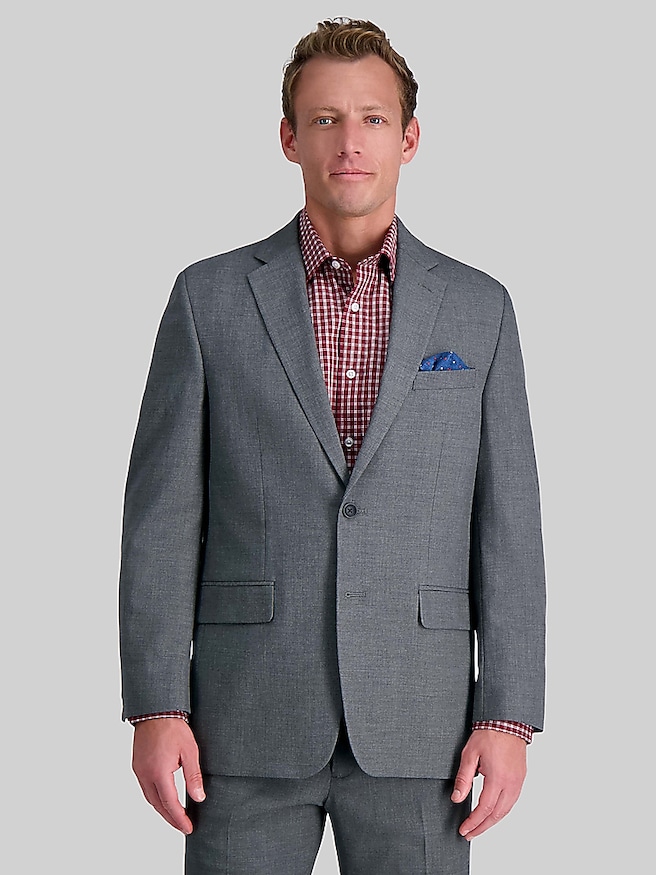
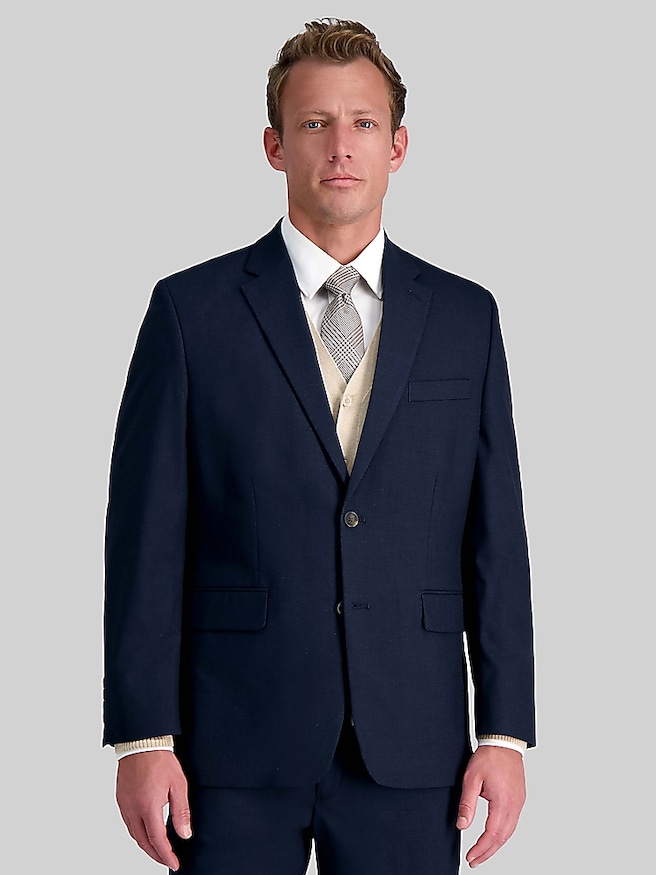
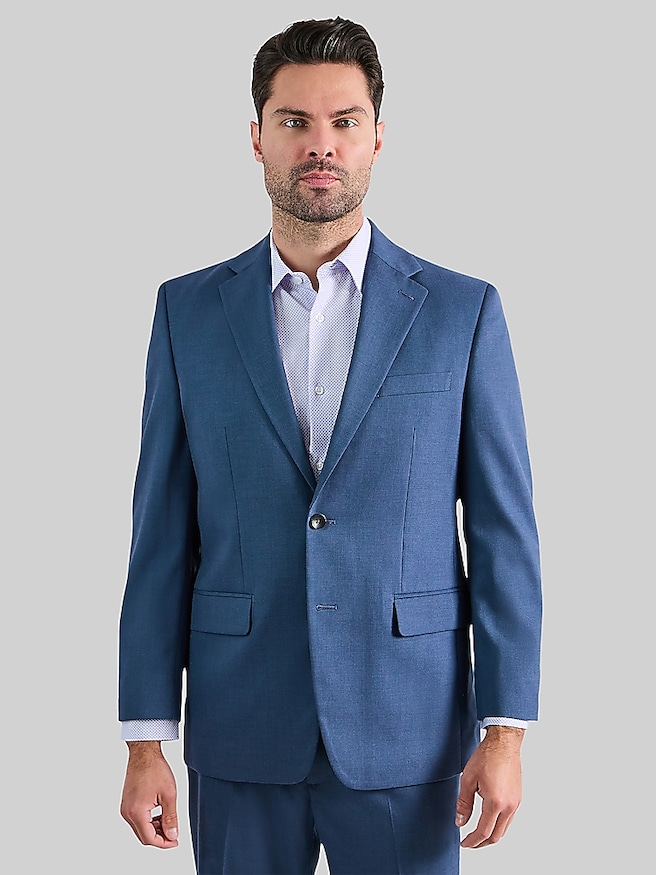
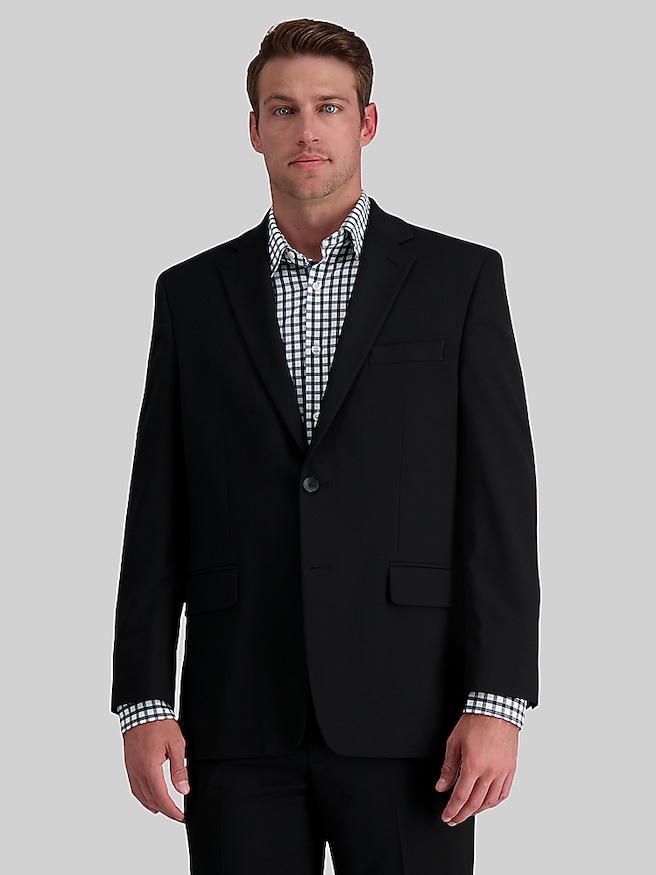
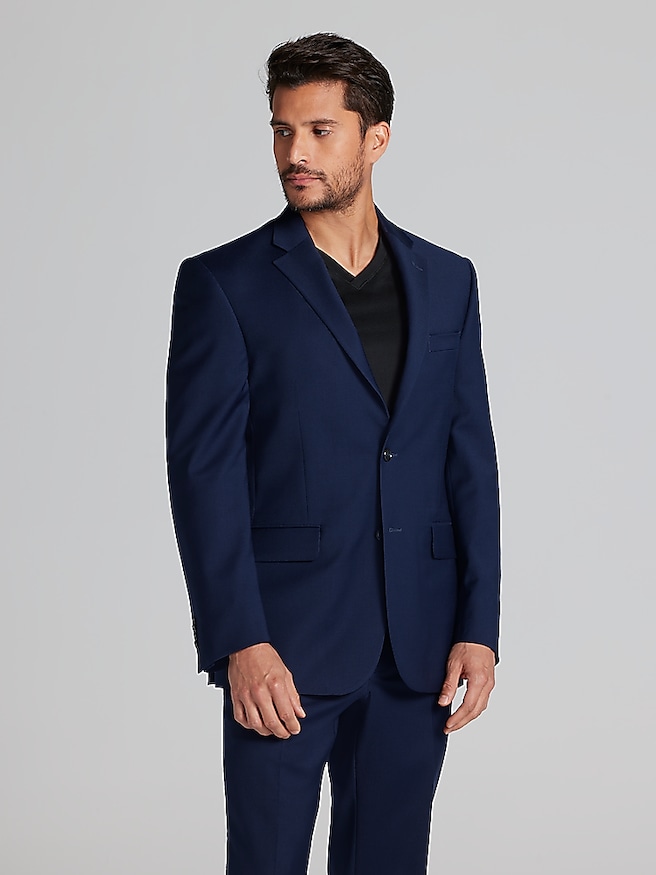
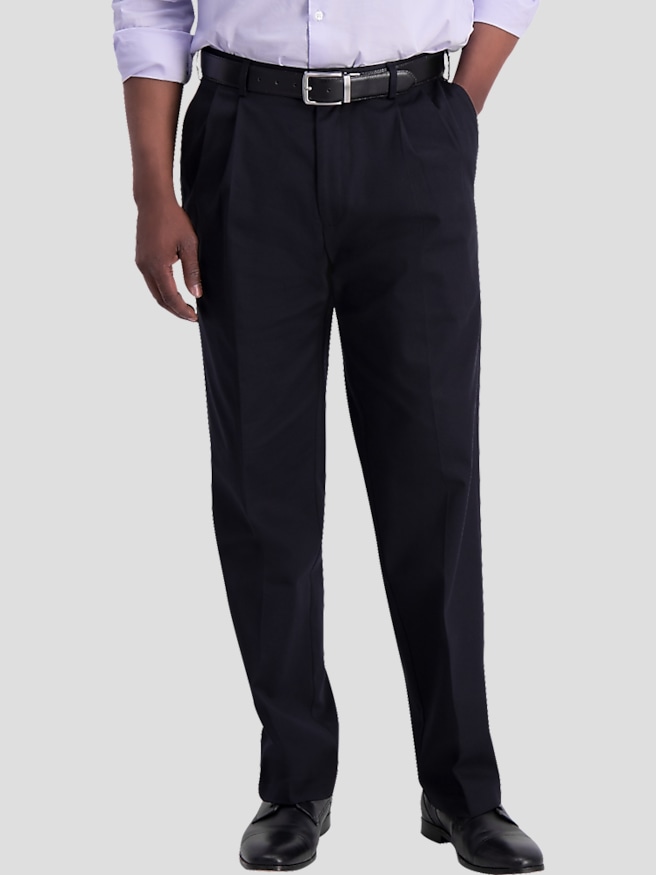
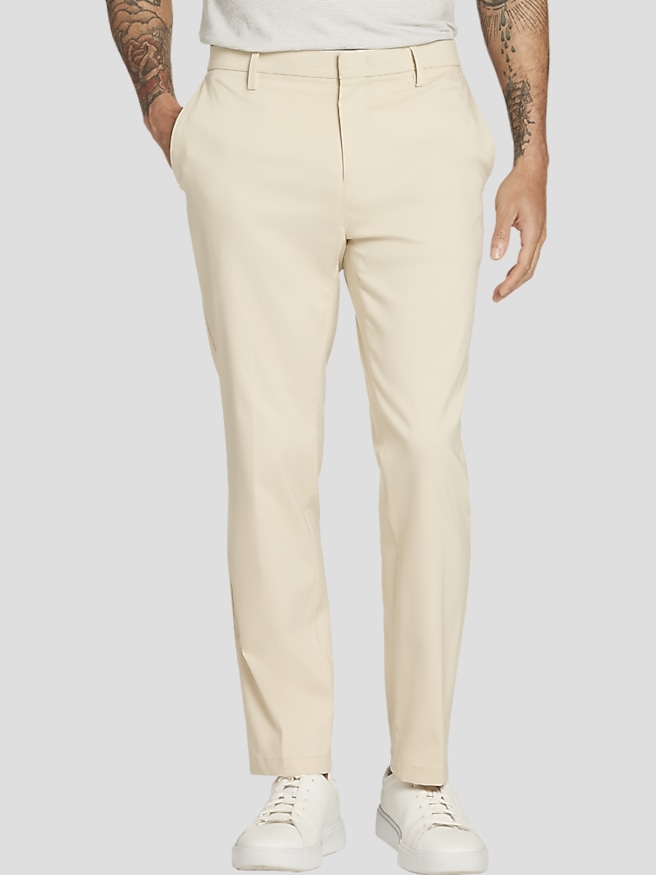
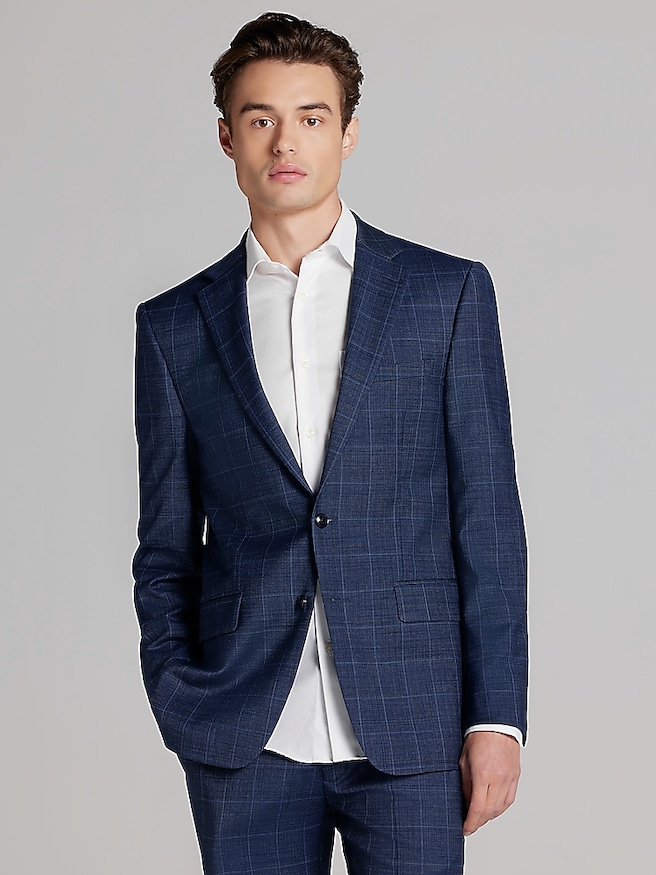
Men’s seasonal color trends make it easier to refresh a wardrobe without replacing everything in the closet. As the weather shifts toward cooler days, dependable neutrals provide a polished foundation while richer shades and brighter accents bring personality to everyday dressing. Navy, charcoal, black, ecru, olive, brown, and warm camel remain especially versatile because they work across office attire, weekend layers, and occasion-ready looks. Cloud Dancer-inspired off-white and soft cream offer a lighter alternative to traditional gray, adding warmth and contrast to dark trousers, outer layers, and tailored pieces. For a more expressive approach, royal blue, race car red, blaze orange, and lemon yellow can be introduced through one noticeable element rather than worn all at once. A saturated blue layer over a neutral base feels confident and refined, while a red or orange accent can give familiar fall and winter outfits a sharper, more modern finish. Color combinations such as pale yellow with black, sky blue with warm brown, and olive with beige create useful balance between brightness and depth. These pairings suit men who want to experiment with current color direction while keeping their wardrobe practical, coordinated, and easy to wear. When selecting from a seasonal color collection, consider how often a shade can be paired with existing clothing, whether it fits the setting where it will be worn, and how much contrast feels comfortable. A strong color can make a simple outfit memorable, while a muted variation of the same shade may be better suited to a conservative workplace or a versatile travel wardrobe.
Personal coloring can also help narrow the selection, although it should serve as a helpful reference rather than a strict rule. Men with warm or clear coloring may find that coral, peach, camel, golden brown, warm aqua, terracotta, mustard, olive, and burnt sienna complement their natural warmth. Cooler and more muted coloring often pairs comfortably with dusty rose, powder blue, lavender, soft navy, cool gray, and softened charcoal. Rich autumnal shades, including deep olive and warm brown, add depth during the cooler months and look especially natural beside textured fabrics and darker neutrals. Men who prefer cool, high-contrast combinations can turn to true black, crisp white, deep navy, and jewel tones such as emerald, sapphire, or burgundy for a clean, defined appearance. Hair, eyes, skin undertones, and personal preference all affect how a color appears, and the same shade can look different depending on its fabric, saturation, and surrounding colors. Someone who finds bright yellow too intense might choose buttery yellow or pale gold; a man drawn to red may prefer brick, cranberry, or burgundy for a more understated effect. Similar adjustments work with blue, orange, green, and white. Fit and proportion matter just as much as color, particularly when combining multiple seasonal shades. Keeping the largest areas of an outfit in neutral tones allows a brighter color to act as a focused accent, while tonal dressing in several shades of navy, brown, or olive creates a sophisticated look without feeling overly matched. Men building a professional wardrobe may appreciate restrained combinations such as charcoal with soft blue or navy with ecru. For casual plans, olive with beige, brown with sky blue, or black with a warm accent offers an easy way to look intentional without appearing dressed up.
Seasonal color selections are useful for many kinds of wardrobes and can make thoughtful gifts for a partner, family member, friend, or colleague whose style is known well. A neutral shade is often the safest choice for someone building a first work wardrobe, preparing for interviews, or adding dependable layers for travel. More distinctive colors suit the man who already owns the basics and enjoys giving everyday outfits a personal signature. When choosing a gift, consider his usual surroundings and routines: deeper neutrals and subdued earth tones may work well for someone who dresses in a traditional office, while bold blue, red, or orange can appeal to a creative dresser who enjoys making a statement. Seasonal colors also help coordinate dressing for weddings, dinners, professional gatherings, family celebrations, and relaxed weekends during the cooler months. A carefully chosen shade can be worn repeatedly in different settings when its styling possibilities are considered from the start. Look for colors that complement existing trousers, denim, dress shirts, sweaters, jackets, and accessories, and pay attention to whether the fabric’s texture softens or intensifies the shade. Brushed and textured materials tend to make earthy colors feel richer, while smoother fabrics give jewel tones a cleaner, more formal impression. Men who prefer a compact wardrobe can use navy, brown, olive, black, and ecru as connecting colors, then add one or two seasonal accents for variety. Those seeking additional outfit ideas can explore Mens Versatile Seasonal Fits for ways to combine adaptable colors across different occasions. With a thoughtful balance of foundation shades, personal coloring, and expressive accents, men’s seasonal color trends can support clothing choices that feel current throughout the transition from early fall into winter while remaining useful long after the weather changes.