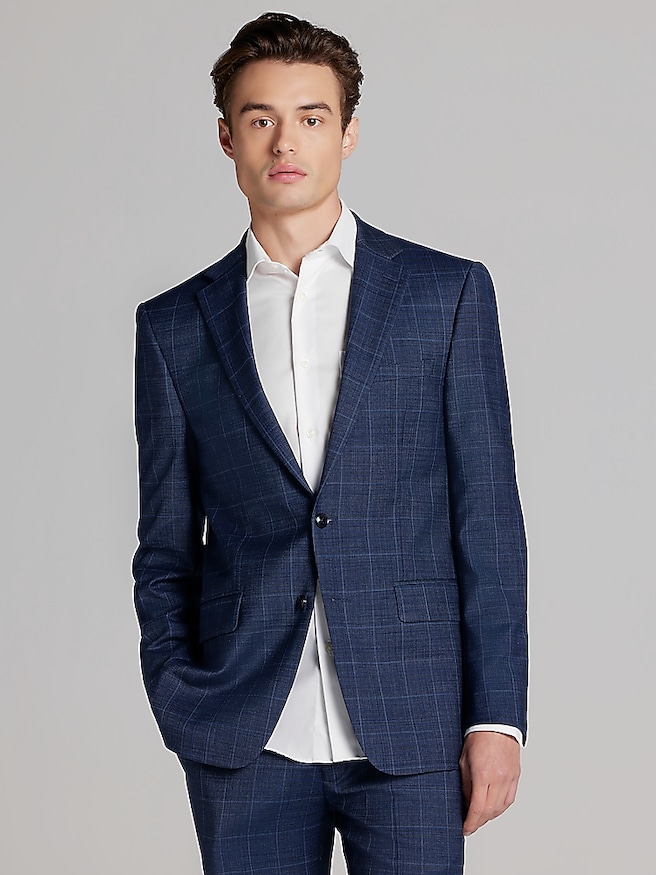
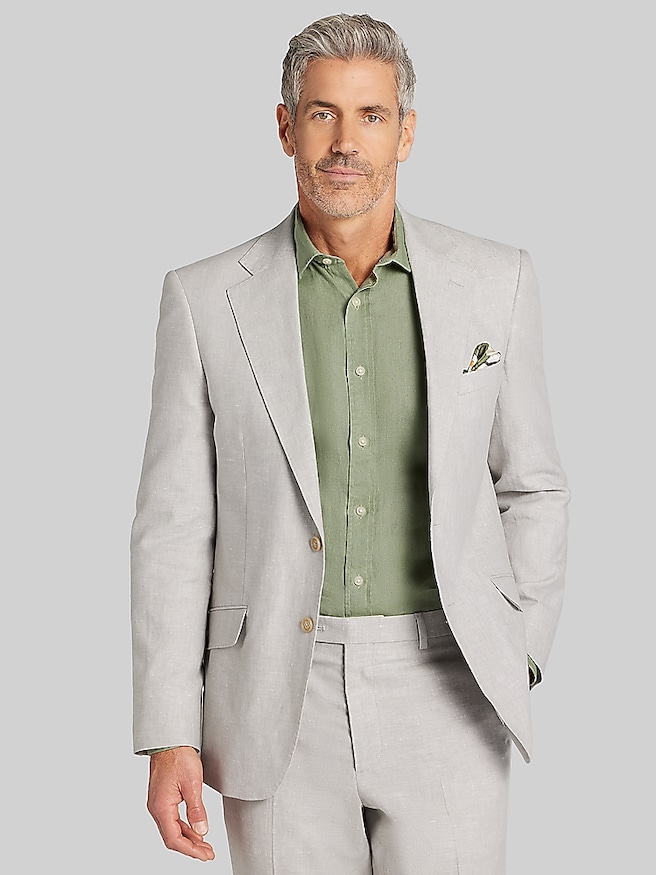
Seasonal suits bring texture, weight, and color into balance with the occasions that fill a wardrobe. A suit for a fall wedding, a winter business trip, or an evening celebration needs to look composed without feeling cumbersome after several hours of wear. Fabric makes much of that difference. Wool is a versatile starting point because its natural crimp helps create structure while allowing the cloth to recover from ordinary movement. The way wool is woven and finished matters as much as the fiber itself: a smooth worsted fabric has a crisp appearance suited to office settings and formal gatherings, while flannel offers a softly brushed surface with depth and warmth. Tweed and other textured weaves bring a more pronounced character, pairing naturally with understated shirts and substantial leather shoes. Fabric weight deserves attention, too. A heavier cloth may drape cleanly and provide welcome insulation outdoors, but a lighter or medium-weight fabric can feel more comfortable in a crowded reception room or a heated office. Lining and construction also influence how a jacket feels; fuller lining creates a smooth interior for layering, while less lining can reduce bulk. Neither fabric weight nor lining alone determines comfort, since fit, weave, and the length of time spent indoors all play a part. Deep navy, charcoal, brown, and muted earth tones complement richer seasonal textures without limiting a suit to a single occasion. A subtle herringbone or restrained check adds visual interest up close while maintaining a polished impression across a room. For spring and summer occasions, lighter cloth and more open weaves offer a different balance of coverage and airflow. Seasonal dressing is therefore less about assigning one fabric to a fixed date and more about matching a suit to the setting. A wool suit worn beneath an overcoat for an outdoor arrival has different demands than one worn through an afternoon of meetings, even when both occasions call for the same level of polish.
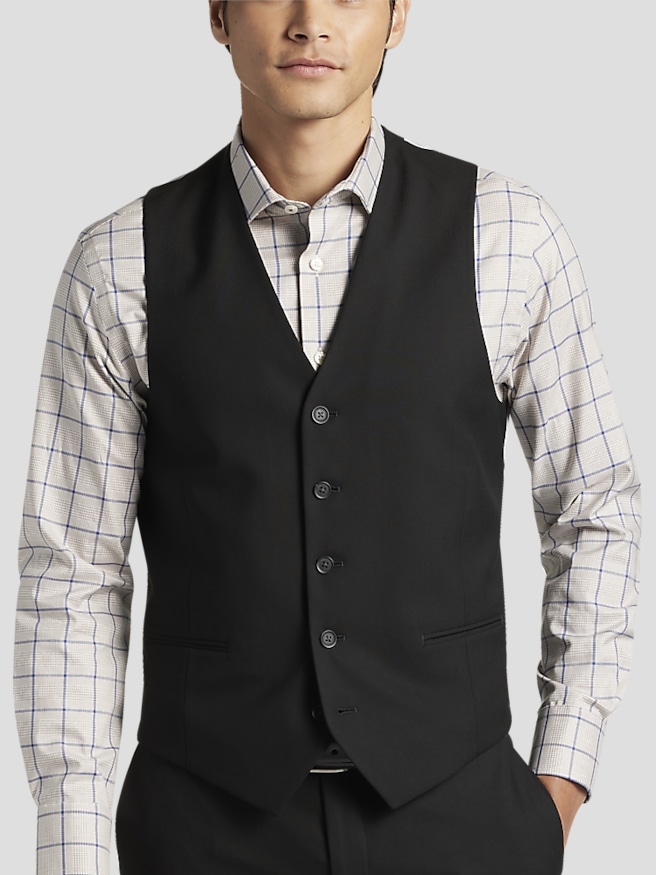
Fit gives seasonal suits their shape and determines whether those fabrics feel comfortable in practice. A jacket should sit neatly across the shoulders, with the collar resting close to the shirt rather than lifting away at the back of the neck. The chest and waist need enough room for sitting, reaching, and walking without pulling the front closure into a pronounced X. A trim silhouette can look sharp without being restrictive, while a roomier cut can maintain clean lines when the shoulders and jacket length are proportioned well. The distinction becomes especially noticeable with textured cloth: a fabric that looks rich and substantial on the hanger needs space to fall naturally on the body. Layering adds another consideration. A fine-gauge knit or a waistcoat takes up room beneath a jacket, so a fit that works over a dress shirt may feel different with an additional layer. Sleeves should allow comfortable movement, and the jacket should settle back into place after the arms are lowered. Suit pants benefit from the same attention. A comfortable waistband stays in position without relying on an overly tight belt, while the seat and thighs allow a natural stride and an easy seated posture. The hem can have a slight break or a cleaner finish, depending on the silhouette and shoes, but excess fabric pooling around the ankle distracts from the suit’s proportions. Alterations to sleeve length, the waist, and trouser hems can refine the overall appearance, though the shoulders and basic jacket structure should be close from the start. Seasonal Pants offer another way to approach occasions where coordinated separates are more appropriate than a matching suit. For a complete suit, shirts, ties, and footwear help establish the intended level of formality. A smooth shirt and restrained tie keep a textured suit focused for business, while a softly patterned tie can add character for a celebration. An overcoat should fit over the jacket without compressing its shoulders or bunching the sleeves.
The usefulness of a seasonal suit extends beyond its first event. Professionals who move between client meetings, presentations, and business dinners often benefit from cloth that holds its shape and a color that works with several shirts. Wedding guests, graduates preparing for interviews, and anyone attending family celebrations may place greater value on a suit that moves comfortably from daytime ceremonies to evening gatherings. Travel brings its own demands: fabric with good recovery, secure seams, and a comfortable waistband makes a difference after a long seated journey. Durability depends on both the material and the way a suit is worn and maintained. A dense, resilient weave may withstand repeated use well, while an exceptionally fine fabric may need gentler handling; softness alone is not a measure of longevity. Repeated friction at the seat, pockets, and inner thighs can wear cloth more quickly, especially when the fit is too tight. Rotating a suit between wears gives the fabric time to air out and helps it recover its shape. A broad, contoured hanger supports the jacket’s shoulders, and pants hung carefully along their crease are less likely to develop awkward folds. Emptying pockets before storage prevents bulges, while a breathable garment bag helps protect a suit from dust without trapping moisture. Care instructions should govern cleaning, and professional cleaning is best reserved for when the garment needs it rather than treated as an automatic step after every wear. A clothing brush can lift surface dust from suitable wool fabrics, and spills deserve prompt attention without vigorous rubbing. These small habits preserve the clean drape and distinctive texture that make seasonal tailoring appealing. A suit can also be a thoughtful gift for someone marking a career milestone or preparing for an important occasion, particularly when measurements and fit preferences are known. Allowing room for fitting and alterations makes that gesture more practical. Whether worn frequently or saved for meaningful gatherings, a well-chosen seasonal suit combines an appropriate fabric, dependable construction, and a comfortable shape that lets the wearer concentrate on the occasion rather than the clothing.