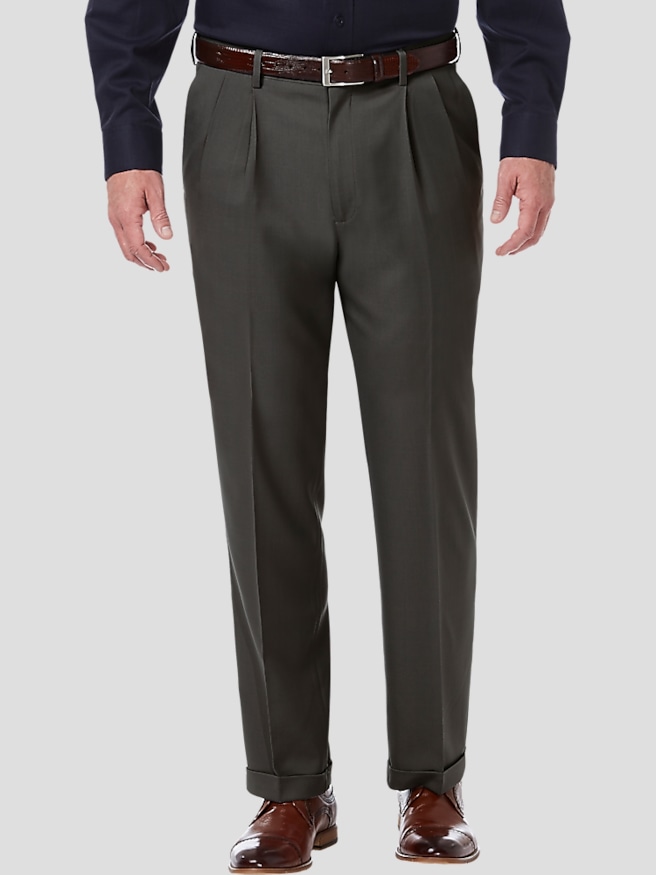
Seasonal pants bring fabric weight, texture, and breathability into balance with the conditions and occasions they are meant for. Lightweight linen and cotton blends suit warm days, midweight cotton twill works across a wider temperature range, and substantial corduroy or wool flannel adds comfort for fall and winter wear. Those distinctions matter more than color alone: a dark pair of loosely woven linen trousers can feel airy, while pale corduroy can provide appreciable warmth. Linen has a dry, textured hand and a relaxed drape, with natural wrinkles that belong in less formal settings. Cotton offers familiar softness, and a twill weave gives chinos their characteristic diagonal texture and practical structure. Wool can feel smooth and crisp or soft and brushed, depending on the yarn and finish; wool flannel is especially suited to tailored outfits that call for warmth without a bulky appearance. Corduroy brings a raised rib, known as a wale, that adds depth to simple combinations such as a sweater and leather boots. Fine-wale corduroy tends to look more understated, while wider ribs create a more pronounced casual texture. Fabric weight and weave also affect how pants hang, so fiber content alone does not tell the whole story. A heavier cotton fabric may feel warmer than a lightweight wool weave, and a lining can change both comfort and drape. Lined pants can provide extra insulation for outdoor gatherings or a brisk commute, though that added layer may feel excessive in a heated office. For days divided between sidewalks, a train seat, and a desk, midweight trousers often offer a practical middle ground. The most useful seasonal choice reflects the full day rather than just the temperature outside the front door. Breathable construction, enough room to move, and a fabric that feels comfortable indoors help make pants something to wear repeatedly, not simply something that looks appropriate for the forecast. Surface texture adds visual interest, too, giving an otherwise straightforward outfit a distinct seasonal character.
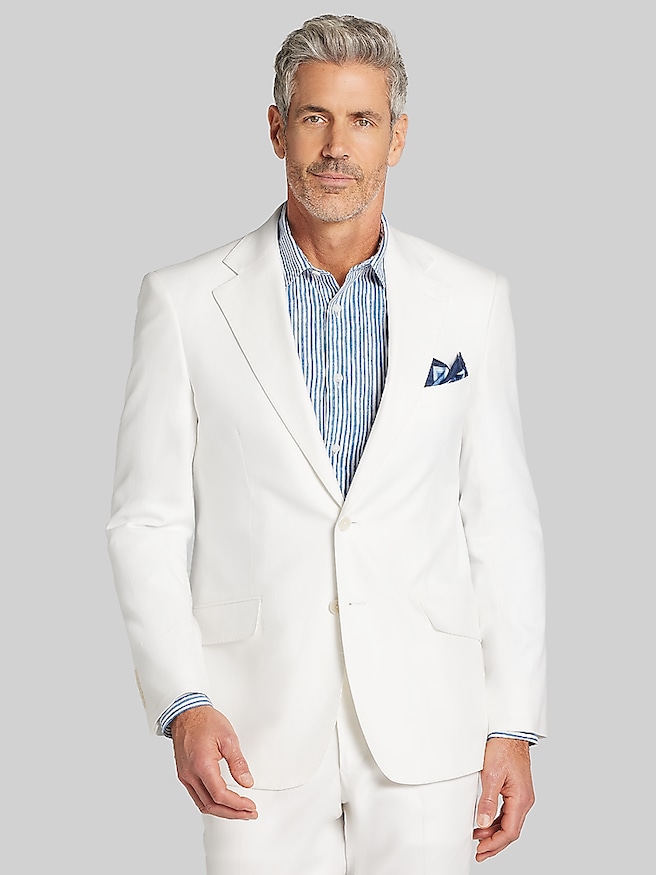
Fit determines how well those fabric benefits translate into everyday comfort. Seasonal pants should sit securely at the intended waist position without pinching when seated, with enough room through the seat and thighs for an ordinary stride. A slim fit follows the leg more closely, a straight fit keeps a more consistent line, and a relaxed fit provides additional ease; none should require the fabric to stretch tight across the pockets. Persistent horizontal pulling near the hips or pockets that flare open can indicate insufficient room, while excess fabric beneath the seat may call for a fit adjustment. A small amount of stretch can help with bending, driving, and long stretches at a desk, but it cannot compensate for an unsuitable size or cut. The rise matters just as much as the leg shape, particularly when a shirt is tucked in or a sweater ends close to the waistband. For winter use, anyone who expects to wear a thin base layer underneath should account for that layer without choosing an unnecessarily oversized silhouette. Hem length deserves attention with the shoes that will accompany the pants. A slight break can give tailored trousers a traditional finish, while a shorter, clean hem emphasizes a tapered shape; too much pooling can collect moisture and rub against footwear. Boots may need a little more room at the leg opening than low-profile dress shoes. Color and finish then help connect the pants to their intended setting. Charcoal, navy, and medium gray support office dressing and evening gatherings, while olive, tobacco, and tan pair naturally with textured knitwear and casual jackets. A brushed surface softens an outfit, whereas a smoother finish reads more polished. For occasions that call for a coordinated jacket and trousers, seasonal suits carry the same attention to fabric weight into a complete tailored look. Separate pants offer more flexibility for everyday combinations, from a fine-gauge sweater and loafers to an oxford shirt, sport coat, and lace-up boots.
Care and construction help determine how seasonal pants hold up beyond their first few wears. The care label should always take priority, since similar-looking fabrics can need very different treatment. Some cotton and blended pants can be machine washed, while wool trousers, lined styles, or pants with structured details may require professional cleaning. Excessive dryer heat can shrink certain fabrics, affect the fit, and shorten the useful life of stretch fibers, so follow the stated drying instructions rather than treating every pair alike. Turning washable dark pants inside out and washing them with similar colors can help limit visible fading and surface abrasion. Corduroy benefits from gentle handling that preserves its raised texture; pressing directly onto the ribs can flatten them. Wool trousers often benefit from airing between wears and careful brushing to lift loose surface dust, with steaming or pressing only as the label permits. Hanging tailored pants neatly helps maintain their line, and allowing damp hems to dry fully before storage prevents moisture from lingering in the fabric. After walking through slush or across salted pavement, check the lower legs and address marks using a method appropriate for the material. Durability also depends on details such as secure seams, firmly attached closures, and pocket edges that withstand repeated use. A dense weave can resist everyday friction, but even substantial fabric wears faster when the fit pulls tightly across stress points or hems drag along the ground. Rotating pants gives each pair time to air and reduces concentrated wear. For work travel, consider wrinkle recovery, comfortable waist construction, and how easily a fabric coordinates with more than one shirt or jacket. For a long dinner or seated performance, comfort at the waist and behind the knees becomes especially noticeable. Seasonal pants can also make a thoughtful gift for someone building a work wardrobe or replacing well-worn favorites, provided their measurements, preferred rise, and usual fit are known. The lasting value is in that match between material, shape, and routine: trousers that look considered at an event, feel comfortable through the trip home, and remain straightforward to care for afterward.