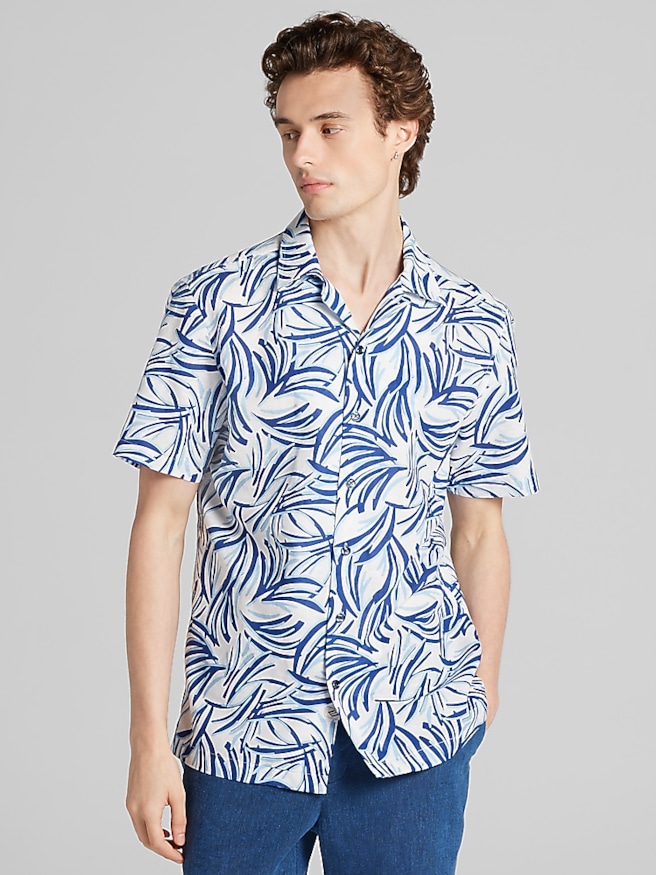
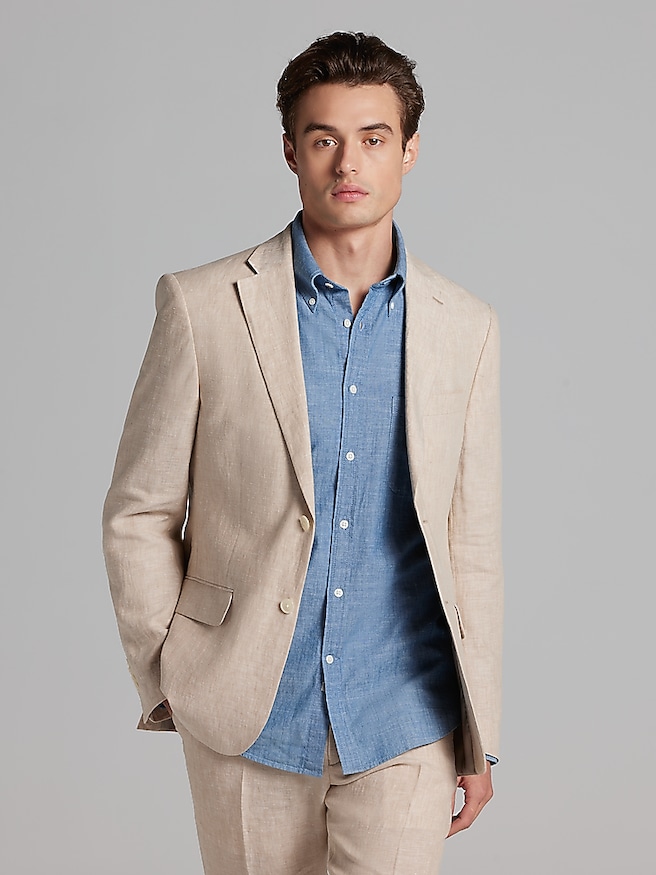
Men’s beach outfits bring together breathable shirts, comfortable shorts, lightweight pants, and easy layers for time spent beside the water. Their appeal lies in feeling relaxed without looking unfinished: a shirt with a softly textured weave, shorts that sit neatly at the waist, and simple footwear can look at home on a boardwalk or at a beachside lunch. These clothes serve a different purpose from swimwear, with an emphasis on comfort and coverage for the parts of a coastal day spent out of the water. Linen, cotton, and blends of the two are familiar choices because they lend themselves to airy fabrics and an unfussy appearance. Linen has a distinctive texture that becomes part of the outfit rather than something that needs to be pressed perfectly flat. Cotton can feel smooth or softly textured, depending on its weave and finish, while blended fabrics may offer a balance of natural texture, easier care, and shape retention. Fiber content is only part of the story, though. Fabric weight, weave density, and the cut of a garment also influence how comfortable it feels. A lightweight shirt with room through the chest and shoulders allows movement without requiring an oversized silhouette. Shorts with enough space through the seat and thigh feel more comfortable when sitting on a patio bench or walking along a pier. Lightweight pants offer another option for anyone who prefers more leg coverage or wants an outfit that transitions into dinner. An outfit built around Mens Beach Shirts can take several directions, from a casual open collar paired with shorts to a more polished button-front shirt worn with full-length pants. The strongest combinations share a sense of proportion: an easy shirt balanced by a clean-fitting bottom, with enough room to move comfortably and enough structure to look intentional.
Color and pattern give beach clothing much of its character, but the overall effect does not have to be bold. White, cream, sand, pale blue, olive, and navy create combinations that are easy to repeat across a vacation wardrobe. A softly striped shirt adds interest without dominating an outfit, while a botanical or geometric print can become the focal point when paired with solid shorts or pants. Texture offers another way to create depth. The slight irregularity of linen looks distinct against smooth cotton, and a subtle woven pattern can keep a single-color outfit from feeling flat. These details matter in settings where the clothing needs to feel casual but still considered, such as a shaded restaurant terrace, a resort breakfast, or an afternoon gathering at a beach house. For a walk along the water followed by lunch, a short-sleeve shirt and tailored shorts strike a useful middle ground between athletic clothing and dressier separates. For an evening reservation, full-length pants and a lightweight long-sleeve shirt can provide a more finished appearance without the weight of traditional formalwear. Beach wedding attire requires particular attention to the invitation: some celebrations welcome relaxed separates, while others call for a suit or a more formal interpretation of coastal dressing. A beach setting alone does not determine the dress code. Footwear also changes the character of the same clothes. Sand-friendly styles suit a casual stretch of shoreline, while loafers or other refined casual shoes make more sense on a restaurant floor or paved walkway. A light layer can be useful on a breezy deck or inside an air-conditioned dining room. For travel, a palette with a few complementary colors makes it easier to wear the same shirt with different bottoms without every outfit looking identical. The result is a compact group of clothes that feels coordinated rather than repetitive, with room for both relaxed afternoons and occasions that call for a little more polish.
Fit and construction help determine whether beach clothes remain comfortable beyond the first few minutes of wear. Shoulder seams that sit close to the natural shoulder line give a shirt definition, while adequate room across the back helps prevent pulling when reaching or sitting. A shirt intended to be worn untucked generally looks more balanced when its hem does not overwhelm the shorts beneath it. Waistbands should stay comfortably in place without digging in, and pockets should lie reasonably flat rather than gape or pull. Drawstring waists offer adjustability, while structured waistbands create a more tailored appearance; neither is automatically better, since the right choice depends on the setting and the wearer’s preferences. Fabric opacity is worth considering with pale colors, especially in bright daylight. Lightweight does not necessarily mean sheer, and a denser weave may provide a more substantial feel without excessive bulk. Secure stitching, neatly finished seams, and well-attached buttons are useful construction details for clothing that will be packed, unpacked, and worn repeatedly. Care requirements deserve the same attention as appearance. Washing and drying instructions vary by fiber, finish, and garment construction, so the care label is the most reliable reference. High heat can cause shrinkage or affect certain blends, and damp clothing benefits from being dried fully before it goes back into a travel bag. Sunscreen, salt, and sand can leave residue; prompt attention according to the label helps keep fabrics looking their best. Casual shirts and shorts are not necessarily designed for swimming, and ordinary lightweight clothing should not be assumed to provide a specific level of sun protection without a stated rating. For gifting, beach-ready separates can suit someone planning a coastal trip or celebrating a birthday before a getaway. Familiar colors, a preferred fit, and manageable care requirements make the gift more personal and practical, especially when the clothes also work for casual lunches and weekend plans closer to home.