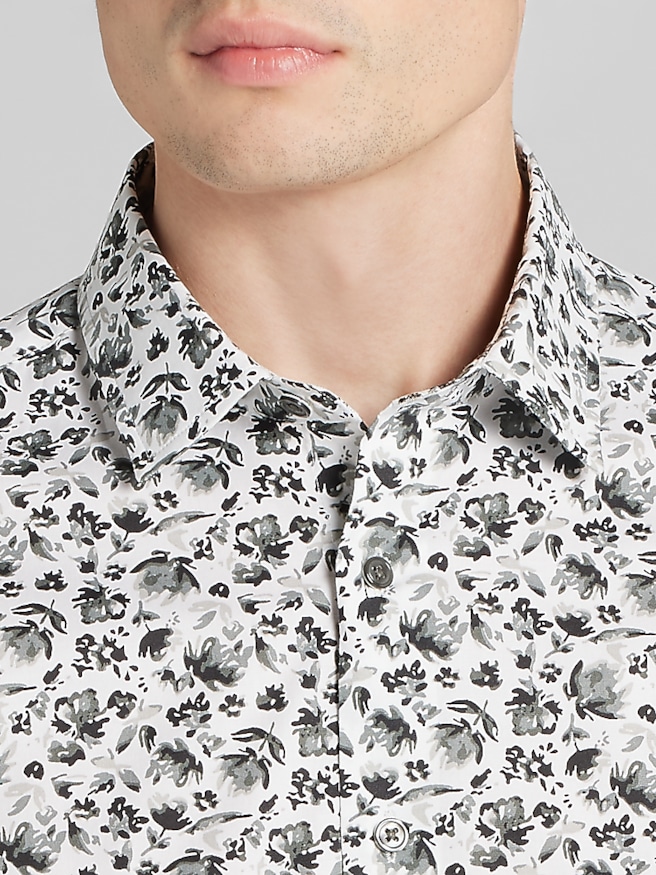
Men's trendy outfits combine relaxed tailoring, interesting textures, and versatile colors in combinations that feel considered without looking overworked. Straight-leg trousers, knitted polos, unstructured jackets, and clean-lined footwear give everyday dressing a modern shape, while familiar shades such as navy, charcoal, olive, cream, and chocolate make pieces easier to coordinate. The appeal is in the balance: a softly structured jacket brings definition to an otherwise casual outfit, while a plain T-shirt can make tailored pants feel less formal. Matching separates create a cohesive look with little visual clutter, but each piece can also work with other wardrobe staples. Texture gives neutral outfits dimension, whether that comes from a ribbed knit, the fine ridges of corduroy, a subtle herringbone weave, or the brushed surface of suede. A cream knit against dark trousers has a clear, graphic contrast; olive paired with brown feels quieter and more tonal. One stronger color can add personality without competing with every other element. Proportion matters just as much as color. A relaxed shirt looks intentional when its shoulders sit comfortably and its hem works with the rise of the pants. Fuller trousers pair well with a top that has enough shape to keep the silhouette defined, rather than adding excess fabric everywhere. Clean leather sneakers can give tailoring an easygoing finish, while loafers or streamlined boots bring a sharper edge to the same basic combination. Accessories work best when they support that overall direction: a simple belt, a textured tie, or a restrained pocket square can add interest without making an outfit feel crowded. These combinations suit men who want clothing that feels expressive yet practical, whether their usual setting is a creative workplace, a dinner reservation, or a weekend gathering. A recognizable personal style often comes from repeating a few successful shapes and colors, then varying the fabric or finishing details instead of rebuilding the entire look for every occasion.
Fabric and construction help determine how trendy men's clothing looks after several hours of wear, not just when it first goes on. Cotton offers a familiar feel across shirts, tees, and trousers, though the weight and weave can change its character considerably. A substantial cotton jersey tends to hold a more defined shape, while a lighter woven cotton can drape more loosely. Wool tailoring can offer resilience and a fluid line, with performance depending on the particular weave, weight, and blend. Linen has a distinctive texture and an easy drape, with natural creasing that becomes part of its appearance rather than something every wearer wants to eliminate. Blended fabrics may add stretch, improve shape retention, or simplify care, but fiber content alone does not tell the whole story. Seams that lie flat, secure stitching, smoothly operating closures, and fabric that recovers after gentle movement are useful details to consider. Fit should allow ordinary movement without pulling across the chest, straining at pockets, or creating unnecessary folds through the seat. Relaxed does not have to mean oversized in every direction; room through the leg can coexist with a waistband that stays comfortably in place. Jacket shoulders should sit naturally, and sleeves should leave the hands free rather than swallowing them. Pants with little or no break create a clean line above footwear, while a modest break offers a more traditional finish. The right length depends on the cut and the shoes worn with it. Layers also need enough space to work together: a knit beneath a jacket should not make the upper arms feel tight or cause the lapels to bow outward. For men who spend much of the day seated, walking between appointments, or moving through a busy social schedule, comfort is part of the finished appearance. Clothing that permits movement is easier to wear naturally, and a relaxed posture often does more for an outfit than another decorative detail.
The most useful modern outfits have a clear purpose but enough flexibility to cross between settings. In a workplace with a business-casual dress code, tailored trousers and a textured polo can look polished without the formality of a full suit. An unstructured jacket adds definition for a meeting, then works just as naturally over a simple knit for dinner afterward. For a gallery opening, birthday gathering, or date night, tonal separates and well-kept shoes can make a strong impression without relying on bold patterns. More casual plans leave room for straight-leg denim, relaxed button-down shirts, and substantial tees, with the finish of the fabric helping distinguish an intentional outfit from an afterthought. The combinations featured in Men's Outfit Ideas offer another way to explore how proportions, colors, and levels of formality can work together. Long-term usefulness also depends on care. Garment labels provide the right starting point because similar-looking fabrics can have very different cleaning requirements. Some knits are best reshaped and dried flat, while structured tailoring may call for professional cleaning. A suitable hanger helps support a jacket's shoulders; folding knitwear can reduce the stretching that hanging may cause. Prompt attention to spills, occasional brushing where appropriate, and allowing footwear to dry fully between wears can help preserve appearance. Suede and smooth leather need care products suited to their respective finishes, rather than a single treatment for every surface. These habits support durability and keep texture, color, and shape looking deliberate. Clothing can also make a thoughtful birthday or graduation gift when the recipient's size, preferred fit, and daily routine are known. A familiar color or a versatile layer is often easier to incorporate than a dramatic departure from someone's established taste. Whether building a first work wardrobe or refreshing an existing rotation, the strongest choices connect contemporary proportions with comfortable fabrics and realistic occasions. The result is clothing that looks distinctive on the hanger and feels like a natural extension of the person wearing it.