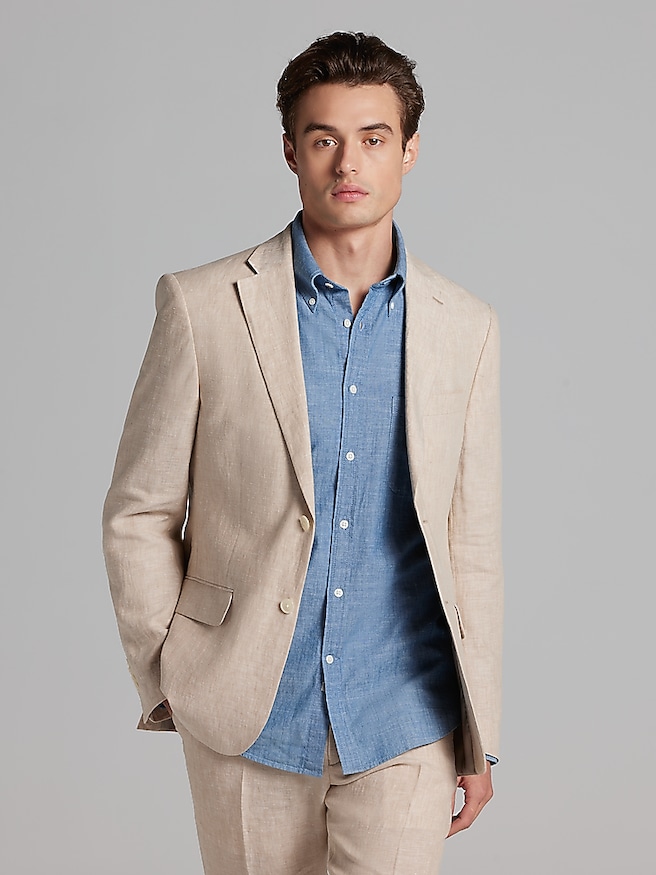
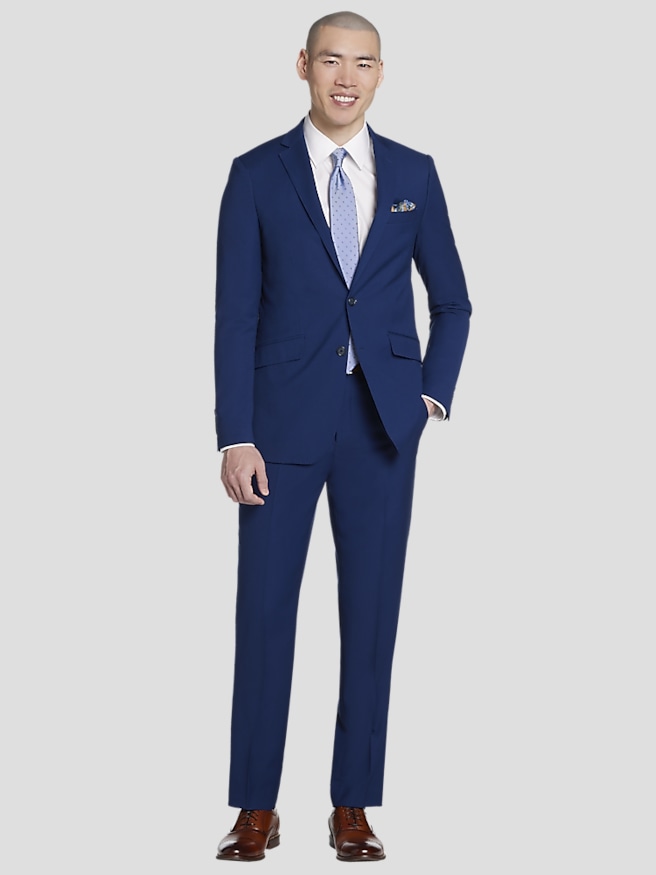
Men's outfits bring individual garments together into a coordinated look, with the right balance of fit, color, texture, and formality for the occasion. A complete outfit can be as straightforward as a cotton polo, chinos, and leather sneakers, or as refined as a matching suit with a dress shirt and polished lace-up shoes. The difference is not simply the number of pieces; it is how comfortably those pieces work together and how well they suit the setting. For a casual dinner, dark denim with an unstructured sport coat and an open-collar shirt creates a clean silhouette without the formality of a full suit. For an office presentation or job interview, coordinated tailoring in navy or charcoal gives the outfit a more consistent finish, especially with a neatly pressed shirt and understated accessories. A wedding calls for attention to the invitation and venue: a suit fits many dress codes, while black tie generally calls for a tuxedo and its accompanying formal details. Everyday combinations benefit from the same thoughtfulness. Straight-leg jeans, a textured knit, and simple footwear can look pulled together without feeling dressed up. Neutral colors such as navy, gray, beige, and white make it easier to combine pieces, while olive, burgundy, or brown can add depth without competing for attention. A navy jacket over a pale blue shirt, for example, leaves room for either gray trousers or tan chinos, depending on the setting. Pattern works best when its scale and contrast complement the rest of the look; a small check can sit comfortably beneath a solid jacket, while a bold print needs fewer competing details. Texture adds another layer of interest, from the crisp surface of a woven shirt to the softer finish of a knit polo. For additional combinations that connect everyday dressing with occasion-ready looks, explore Mens Must-Have Outfits. The strongest outfits feel intentional without making every element look identical, leaving enough contrast for each piece to have a purpose.
Fit shapes the appearance of men's outfits just as much as color does, and comfort matters beyond the first glance in a mirror. A jacket should sit neatly across the shoulders, with lapels that lie flat and enough room through the chest to button without pulling. The sleeves should allow a small amount of dress-shirt cuff to show when the arms are relaxed, rather than covering the hands. Trousers need room to sit, walk, and climb stairs comfortably, with a waistband that stays in place without relying on a tightly fastened belt. A slight break at the shoe creates a small fold at the front of the hem; a shorter, cleaner hem gives a sharper outline, provided it suits the trouser shape and footwear. Slim fits follow the body more closely, while tailored and classic fits offer other proportions, though the meaning of those labels can vary across garments. Actual measurements and freedom of movement are more useful than choosing a fit name alone. Layered outfits also need space where pieces overlap: a shirt should not bunch beneath a sweater, and a jacket should accommodate the layers worn underneath it. Material influences both that fit and the feel of the finished outfit. Wool often has a smooth drape and natural resilience, making it useful for tailored clothing that needs to hold its shape. Cotton brings a familiar feel to shirts, chinos, and casual knits, though weave and fabric weight affect structure and softness. Linen has a distinctive texture and develops visible creases that belong to its relaxed character. Blended fabrics can combine qualities such as softness, shape retention, or stretch, but the fiber label and construction provide a clearer picture than the fabric name alone. Stretch can make seated work or frequent movement more comfortable, yet a garment should fit properly before that stretch is needed. Durable outfits depend on sound construction as well as fabric, including even stitching, secure buttons, finished seams, and pocket edges that hold their shape through repeated use.
The finishing pieces of an outfit help establish its level of polish without needing to draw attention away from the clothing. Leather lace-ups give tailored trousers a dressier finish, loafers bridge many casual and polished combinations, and simple sneakers work well with denim or chinos when the setting permits them. The shape of the shoe matters alongside its style: a substantial sole can balance a fuller trouser leg, while a slimmer shoe often works with a narrower hem. A belt that relates to the footwear keeps the look cohesive, although the leather colors do not need to be identical in every casual outfit. Ties and pocket squares can share a color without repeating the same pattern, creating a connection that looks considered rather than overly matched. For long days that include a commute, meetings, and dinner afterward, garments with comfortable arm movement, usable pockets, and fabric that recovers well from sitting are particularly practical. Clothing given as a gift benefits from similar attention to the recipient's routine. A versatile shirt or knit in a familiar color may fit easily into an established wardrobe, while more closely fitted garments require reliable measurements and a clear sense of preferred proportions. Care is part of keeping those combinations looking consistent over time. Garment labels should determine washing, drying, ironing, and professional cleaning requirements, since visually similar fabrics can need different treatment. Prompt attention to stains, gentle handling of knits, and appropriate hangers for structured jackets help preserve the appearance of frequently worn clothing. Folding sweaters can reduce stretching at the shoulders, while letting shoes dry fully between wears helps protect their shape and interior. Pressing a shirt collar or smoothing a trouser crease can restore definition without changing the outfit itself. With compatible colors, comfortable proportions, and care suited to each fabric, men's outfits can move naturally between everyday plans and important occasions while retaining a distinct sense of personal style.