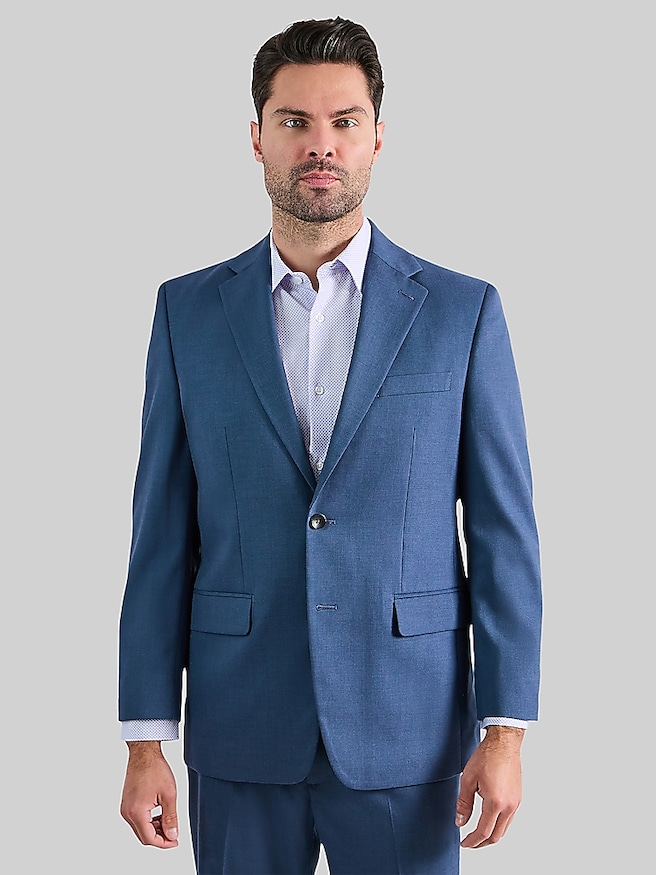
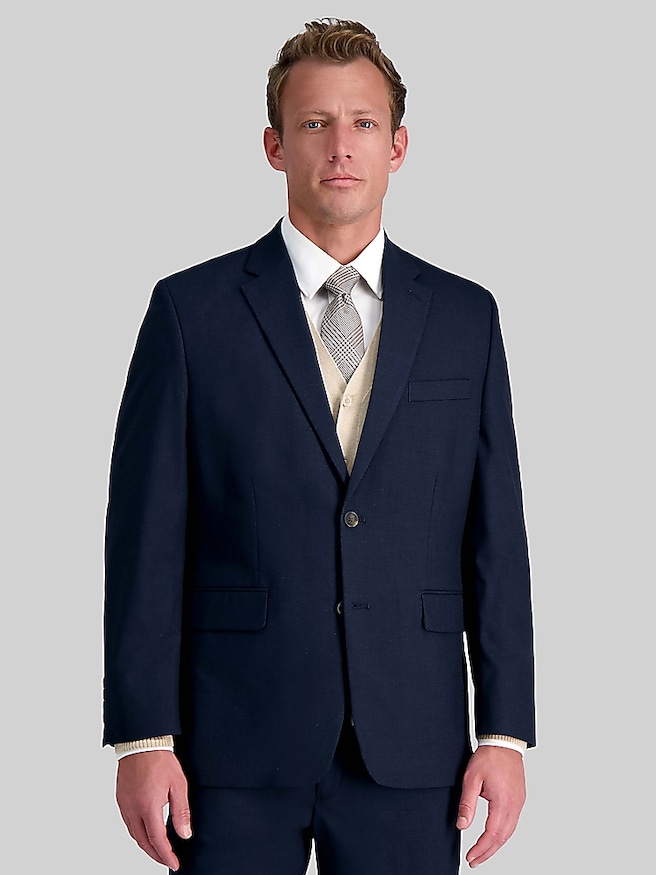
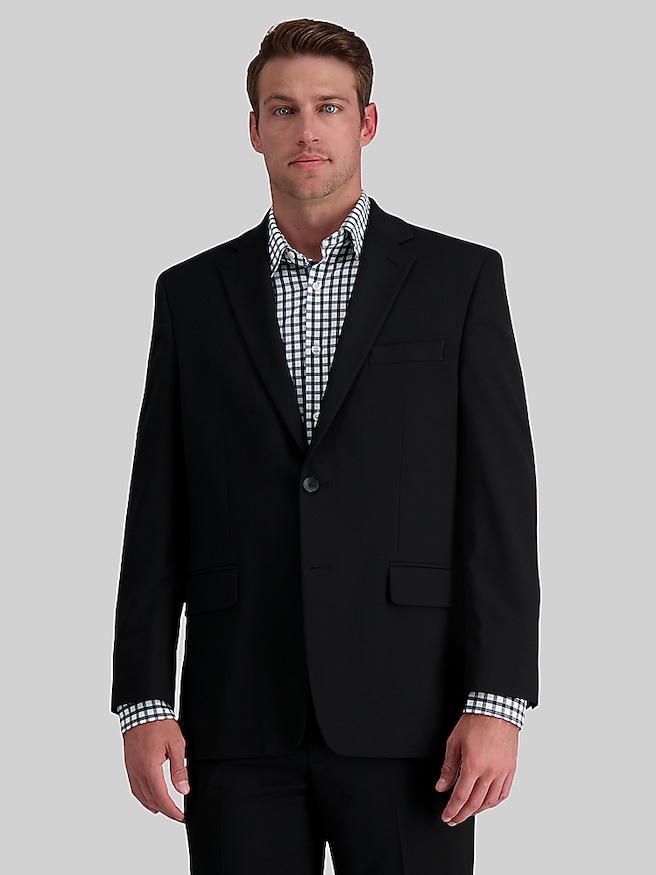
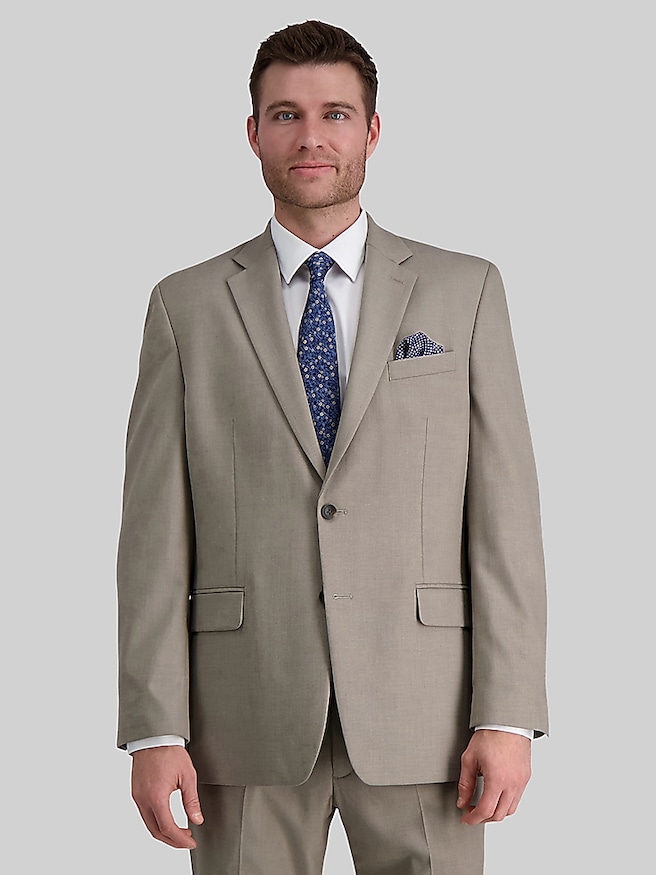
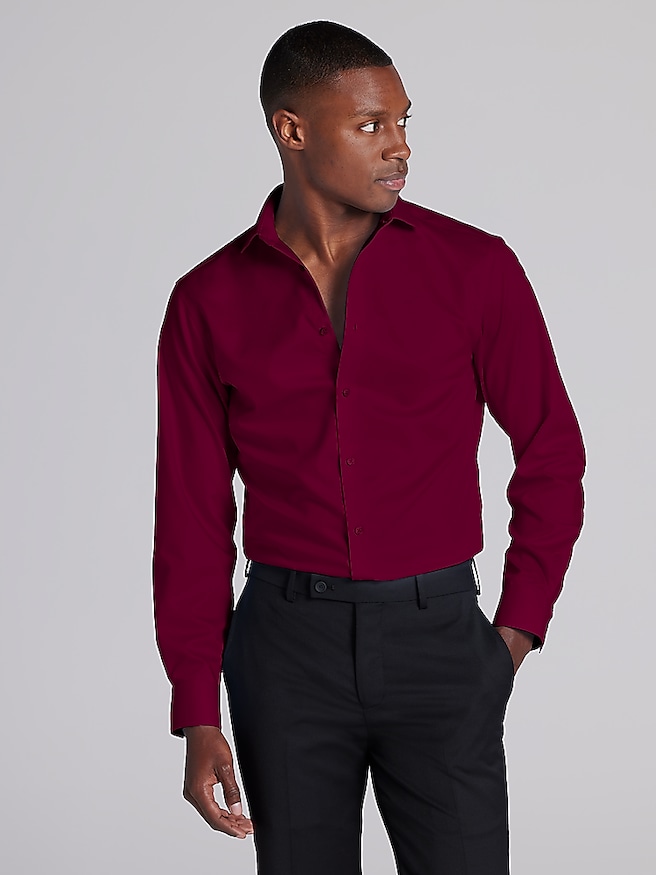
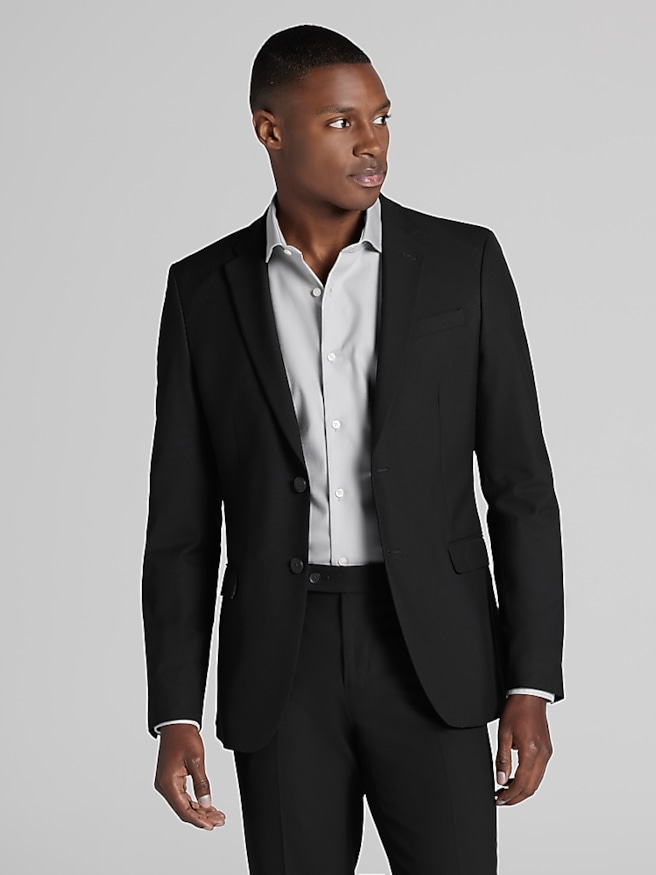
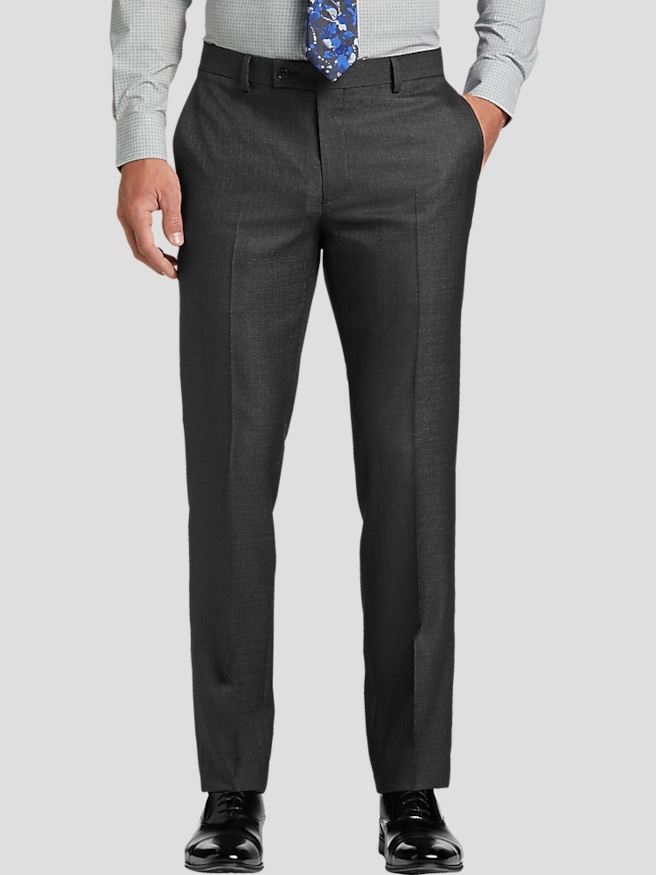
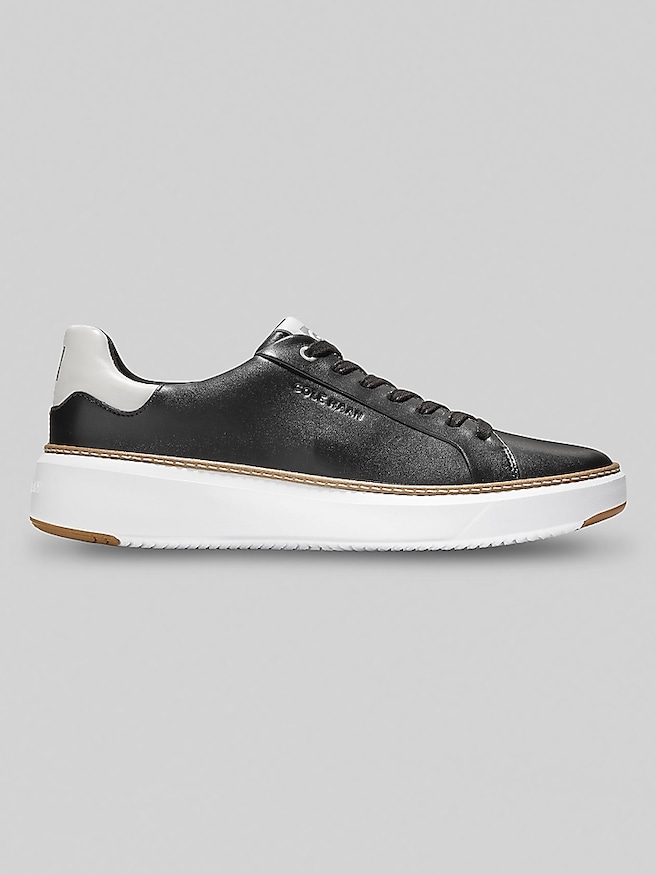
Men’s must-have outfits bring together the clothing that makes everyday dressing feel considered without making it complicated: coordinated casual layers, comfortable separates, and polished combinations that suit the occasion. A useful wardrobe has room for the quiet confidence of a navy jacket over a fine-gauge knit, the ease of a matching sweatshirt and joggers, and the crisp finish of a button-front shirt with well-fitting trousers. These combinations serve distinct purposes, but they share a common foundation of balanced proportions, compatible colors, and fabrics that feel good through a full day. Neutral shades such as charcoal, navy, cream, olive, and brown make it easier to move pieces between outfits while keeping the overall look cohesive. A monochromatic outfit uses the same color or closely related shades from top to bottom, creating a continuous line that works especially well with coordinated fleece or tailored separates. Texture keeps that simplicity interesting: a softly brushed sweatshirt, substantial cotton pants, and clean leather sneakers can feel relaxed without looking unfinished. For casual streetwear, a roomier hoodie or crewneck with matching relaxed-fit pants creates a unified silhouette, while a neat T-shirt underneath adds coverage and another layer of comfort. For an office with a flexible dress code, a knit polo and chinos offer a middle ground between a suit and weekend clothing. A dinner reservation may call for a sport coat, dark trousers, and leather shoes, with an open collar keeping the effect approachable. During the cooler months, overshirts, sweaters, and outer layers make these combinations adaptable to chilly sidewalks and heated interiors. The most useful outfits also accommodate ordinary movement, from sitting through a commute to reaching for a bag or walking several blocks after lunch. That practical versatility gives men’s outfit essentials their lasting value: they support the day’s plans rather than requiring the day to work around the clothing.
Material and fit shape how an outfit looks, feels, and holds up over time. Cotton offers a familiar softness and breathable feel for shirts, tees, and casual pants, although fabric weight and construction influence how warm or structured a piece feels. A lightweight cotton jersey sits comfortably beneath a sweatshirt, while a denser twill gives chinos more body and helps an outfit look defined. Fleece adds softness and warmth to coordinated casual clothing; a brushed interior feels cozy against the skin, while a smooth outer surface gives the combination a cleaner finish. Wool can provide warmth, breathability, and a graceful drape in tailored clothing and knitwear, making it useful for outfits that need polish without unnecessary bulk. Blended fabrics may add stretch, improve shape retention, or simplify care, depending on their composition. Stretch is particularly helpful during long periods of sitting, but enough room through the shoulders, seat, and thighs remains important. A close fit should follow the body without pulling across the chest or creating tight horizontal lines at the pockets. A relaxed fit allows more ease, yet still benefits from an intentional shoulder line, controlled sleeve length, and a hem that does not overwhelm the shoes. Oversized casual clothing looks more cohesive when its volume is deliberate: a roomy upper layer and relaxed pants can work together when the lengths stay balanced and the fabric has enough substance to hold its shape. Tailored outfits depend on similarly quiet details. A jacket collar should rest neatly at the neck, trousers should sit securely at the waist, and shirt cuffs should not disappear beneath excessively long sleeves. Layering also changes fit. A sweater worn under a jacket needs enough space to avoid bunching at the arms, while an outer coat should accommodate the clothing beneath it without restricting movement. For anyone moving between a desk, public transportation, and evening plans, those small allowances can make the same outfit comfortable for hours. Balanced fit gives even simple clothing a more finished appearance, whether the setting is a casual gathering or a professional introduction.
Durability and care matter because wardrobe staples tend to be worn often, sometimes in several combinations within the same week. Even stitching, secure buttons, tidy seams, and fabric that recovers after gentle stretching are useful signs to notice, although long-term performance also depends on wear and maintenance. Following each garment’s care label helps preserve its intended texture, color, and shape. Many washable knits benefit from gentle handling and limited heat, while structured jackets and certain wool pieces may need professional cleaning. Sweaters that are suitable for flat drying generally keep their proportions better when supported rather than hung while wet. Giving clothing time to air between wears, treating marks promptly according to the care instructions, and rotating frequently worn pieces can reduce unnecessary laundering and everyday strain. Proper storage helps, too: shaped hangers support jackets, folded storage prevents heavy knits from stretching at the shoulders, and enough closet space reduces crowding and wrinkles. These habits keep dependable outfits ready for the occasions that fill a calendar, from family photographs and relaxed celebrations to interviews and evenings out. Accessories provide another way to adjust the level of formality without changing the entire outfit. A textured tie can give a familiar shirt and jacket more presence, while a simple belt and well-maintained shoes help casual separates feel complete. Invitations with a stated dress code deserve particular attention, since business casual, cocktail attire, and black tie call for distinct levels of polish. For clothing and finishing touches suited to more dressed-up settings, Mens Special Occasion Must-Haves brings that occasion-focused perspective into view. Everyday outfit essentials can also make thoughtful gifts for someone starting a new job, building a more versatile wardrobe, or refreshing clothing worn on repeat. Familiar colors, preferred fits, and realistic care requirements matter more than choosing something dramatically outside the recipient’s usual style. Across casual and dressier settings, the strongest combinations feel recognizable to the person wearing them: comfortable enough to settle into, polished enough for the moment, and versatile enough to earn a regular place in the wardrobe.