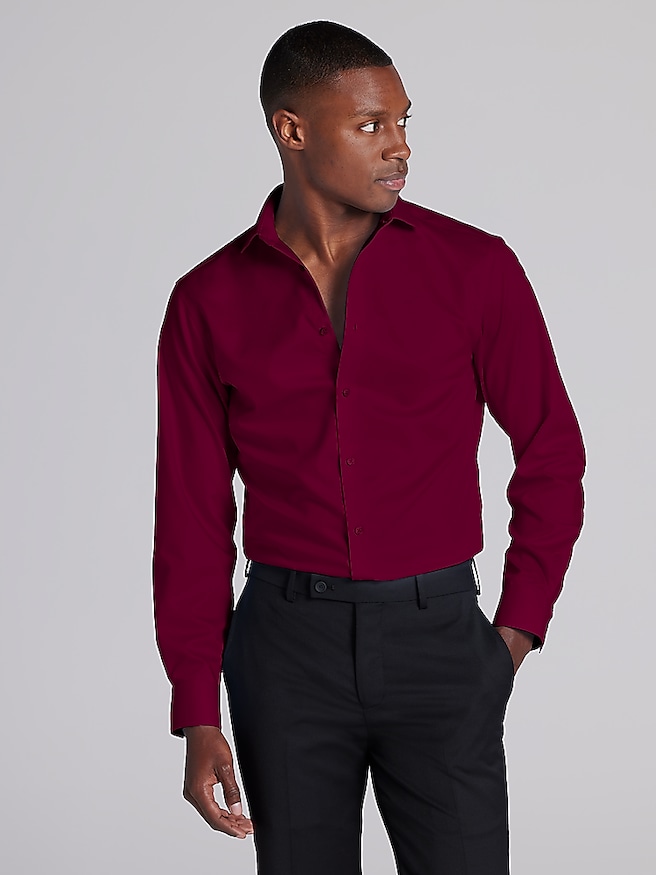
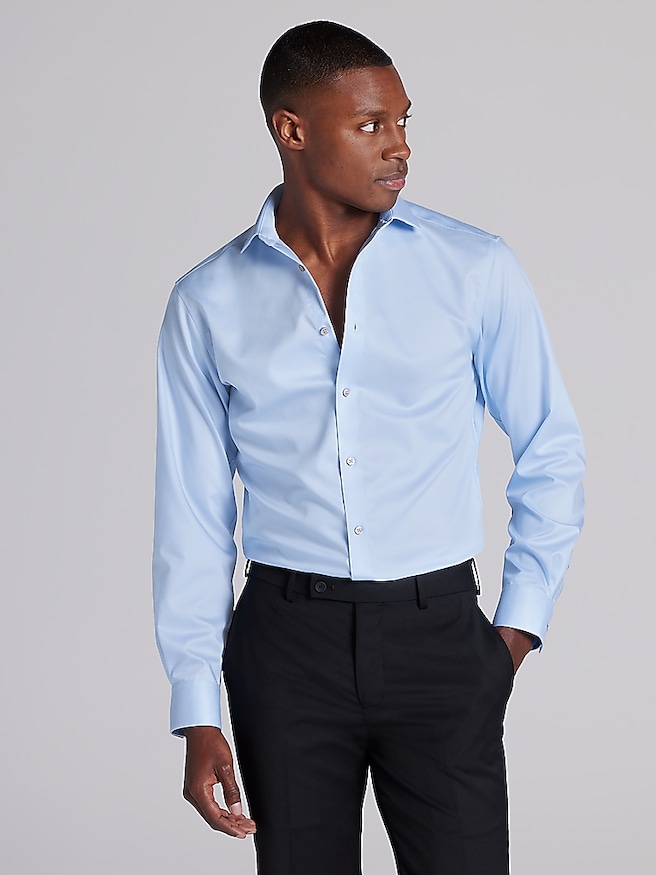
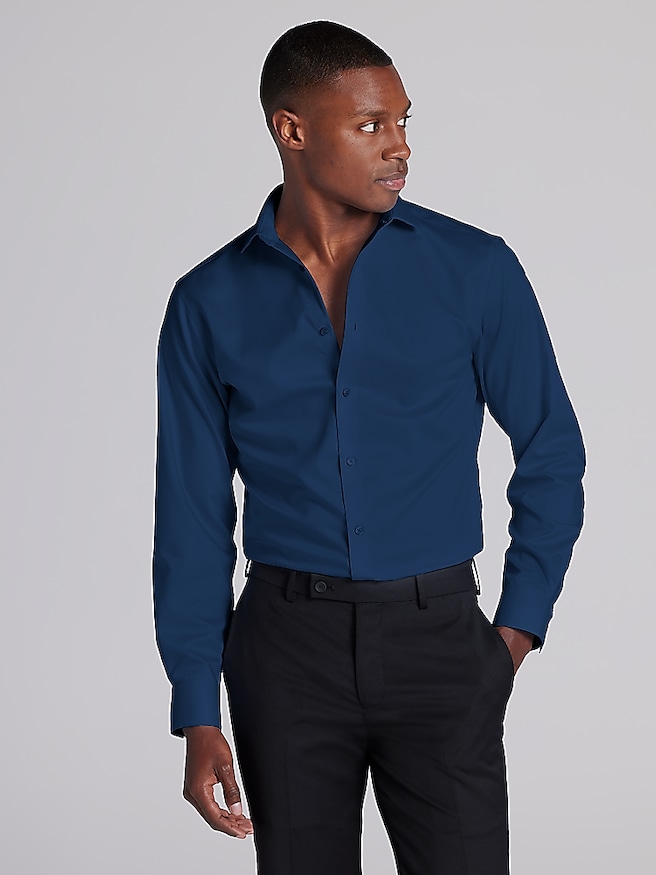
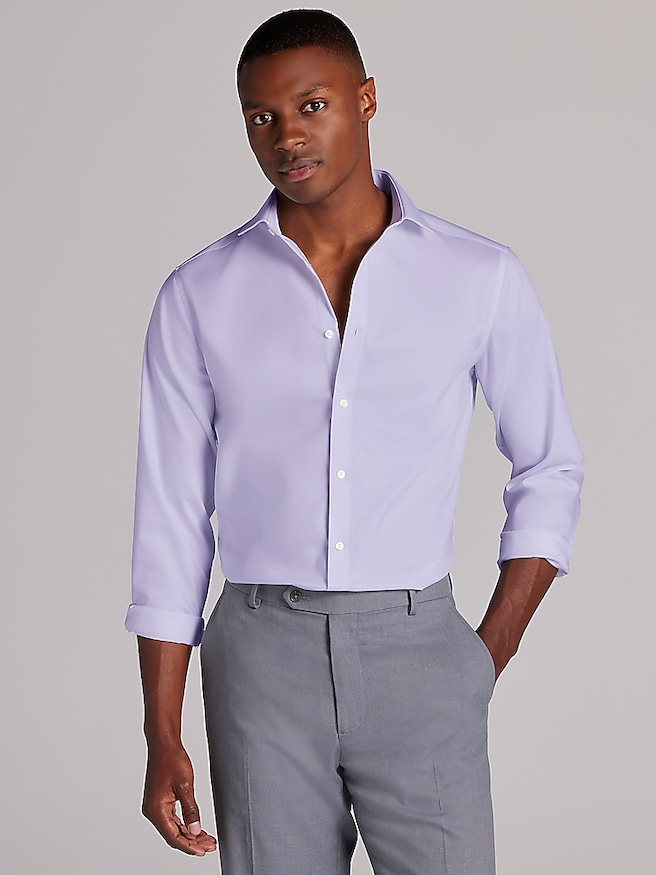
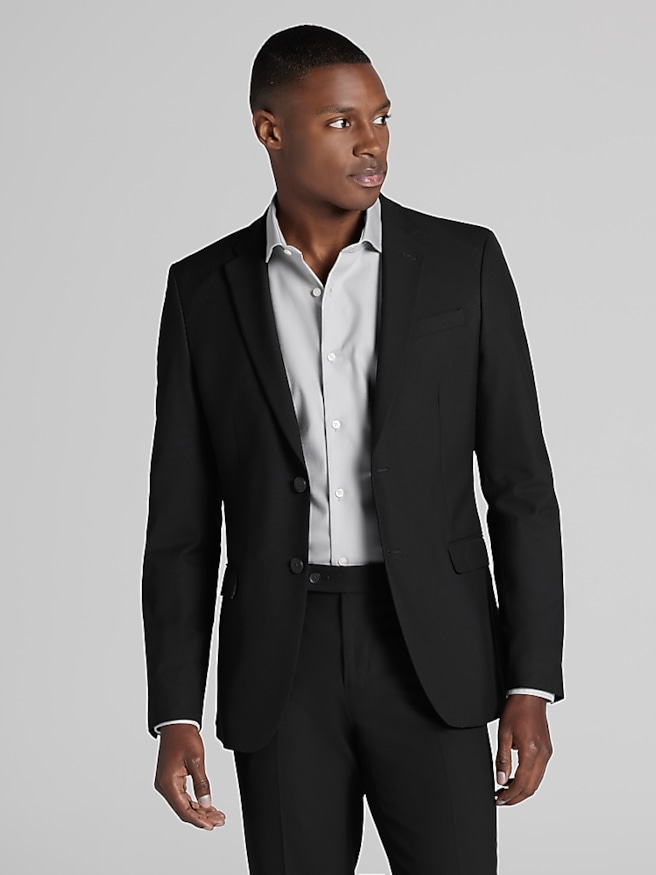
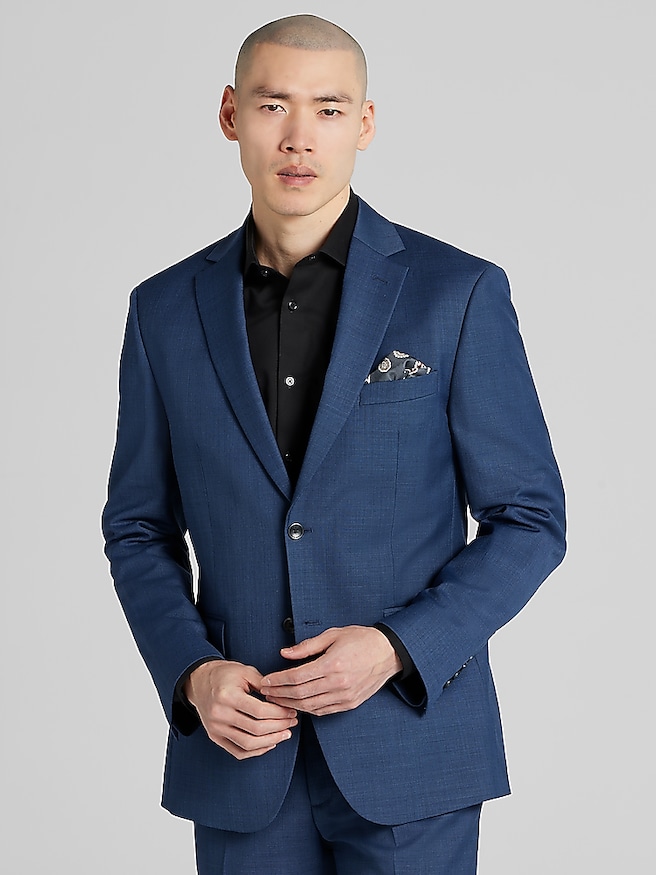
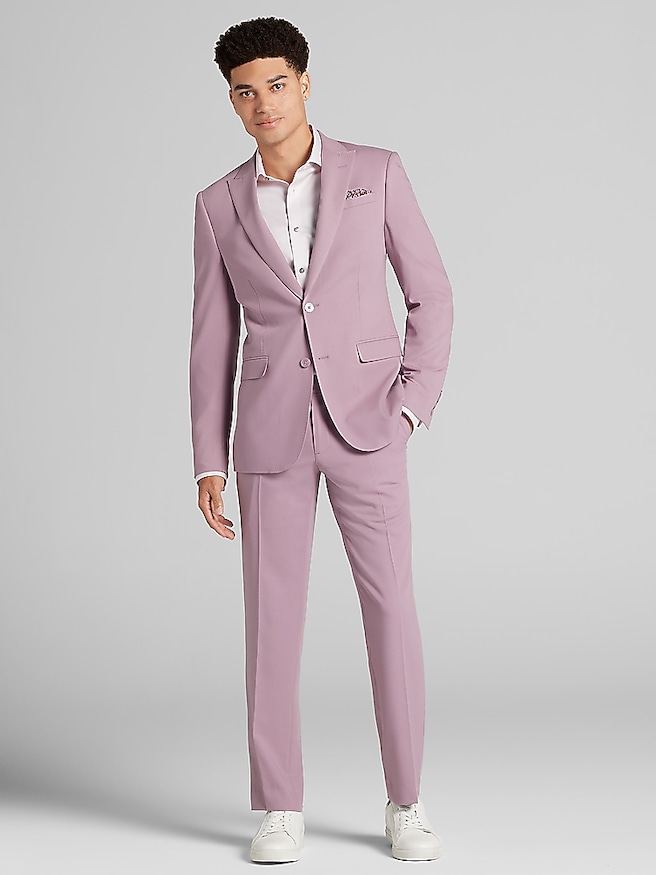
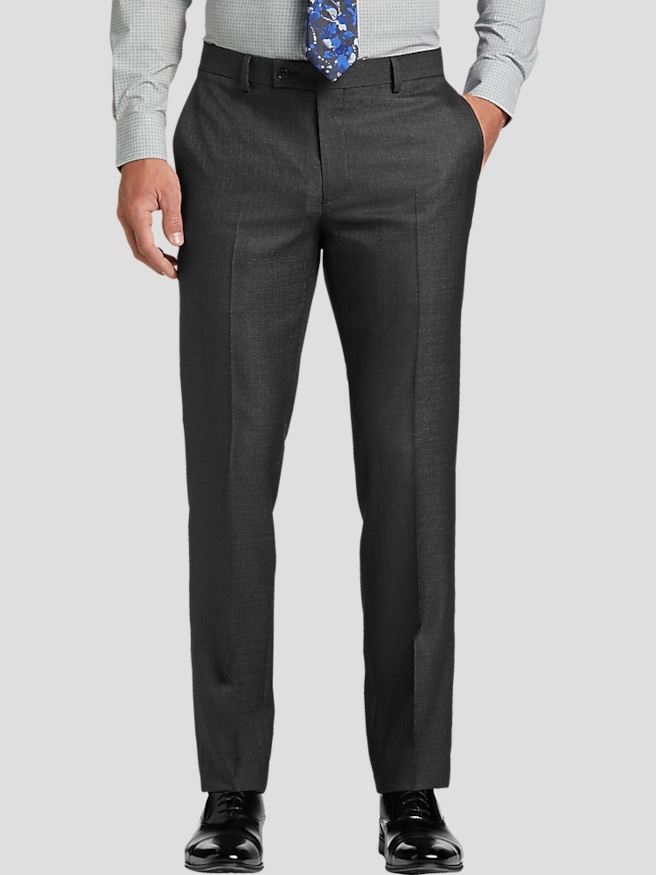
Men’s trending outfit picks bring together relaxed tailoring, textured layers, and versatile colors that feel polished without looking overly formal. The appeal is in the balance: trousers with a little room through the leg, a knit polo with a defined collar, or an unstructured jacket that adds shape without stiffness. These clothing categories suit the space between a full suit and weekend basics, making them useful for casual offices, dinner reservations, and gatherings where a T-shirt alone feels too informal. Neutral shades such as charcoal, navy, cream, and brown give outfits a cohesive foundation, while olive, burgundy, and muted blue introduce color without overwhelming the rest of the look. Tonal dressing keeps that approach simple, combining related shades rather than matching every piece exactly. A chocolate knit over stone trousers, for example, has depth even without a bold pattern. Texture adds another layer of interest: the soft surface of brushed cotton, the subtle ribs of corduroy, and the visible stitch of a sweater each give understated clothing character. Relaxed silhouettes work best when their proportions still feel intentional. A fuller trouser leg can complement a shorter jacket, while a longer overshirt often pairs naturally with a straight leg and a clean hem. Neither combination needs to be tight to look put together. The broader selection of men’s trendy outfits reflects this connection between everyday comfort and a more considered appearance. Rather than depending on one statement piece, a strong outfit usually comes from compatible shapes, fabrics, and levels of formality. A collared knit can soften tailored trousers, and dark denim can make a sport coat feel less dressed up. Shoes help complete that balance, with loafers lending definition and understated sneakers keeping the mood casual. These combinations have practical value beyond their appearance: separate pieces can move between workdays, evenings out, and low-key weekends without requiring an entirely separate wardrobe for each occasion. Small changes in the base layer or footwear can shift the same outfit from a daytime meeting to dinner.
Materials and construction matter as much as the overall silhouette, especially during the cooler months when clothing needs to work in layers. Cotton shirting provides a familiar, breathable foundation, while brushed cotton has a softer surface that feels comfortable beneath a sweater or overshirt. Wool knitwear offers warmth in a range of weights; finer knits tend to sit neatly under jackets, while chunkier stitches add volume and a more casual character. Wool-blend trousers can contribute texture and drape, though warmth, softness, and care requirements depend on the full fabric composition. Corduroy brings visible depth to simple outfits, and denim offers a sturdy option whose weight and finish influence how structured or relaxed it feels. A small amount of stretch may make sitting, walking, and commuting more comfortable, but stretch is not a substitute for adequate room. A waistband should remain comfortable when seated, shirt buttons should lie flat, and jacket shoulders should follow the body without pinching or collapsing. For a relaxed fit, extra ease through the chest or thigh should look purposeful rather than accidental. Sleeve length and trouser hems help keep looser shapes tidy, particularly when several layers are worn together. A useful everyday test is whether an outfit stays comfortable through a drive, a flight of stairs, and a few hours at a desk. Layering also needs space: a jacket that fits neatly over a dress shirt may feel restrictive over a substantial sweater. Durability comes from a combination of suitable fabric, sound stitching, and sensible care rather than thickness alone. Even seams, secure buttons, and neatly finished edges are useful details to examine. Care labels should determine washing, drying, pressing, and professional cleaning, since similar-looking fabrics can have distinct requirements. Folding knitwear helps avoid stretched shoulders, while hanging trousers and structured jackets on suitable hangers helps preserve their shape. Treating spots promptly according to the care label, avoiding unnecessary heat, and allowing garments to dry fully before storage can help maintain their appearance. Clothing that suits an actual care routine is more likely to stay in regular rotation.
The most useful trending outfits fit the places and routines that fill a typical week. In a business-casual office, tailored trousers, a fine-gauge sweater, and a soft-shouldered jacket can look professional while remaining comfortable through meetings and the commute home. A workplace with a more relaxed dress code may call for dark, clean-finished denim and a collared shirt beneath an overshirt. For an evening at a restaurant, deeper colors and a more defined shoe can give those same categories a dressier feel without the formality of a matching suit. Weekend clothing often benefits from roomier shapes and tactile fabrics, especially for an afternoon spent walking around town followed by an indoor gathering. An open cardigan over a plain crewneck creates an easy layer to remove when the room warms up, while a lightweight knit beneath outerwear avoids unnecessary bulk. Travel introduces its own priorities: comfortable waistbands, layers that adapt to changing temperatures, and fabrics that recover reasonably well after sitting. No fabric is automatically wrinkle-free, so the garment’s stated properties and care information matter more than assumptions about its appearance. Occasion remains important even when a look leans casual. A celebration with an explicit dress code may require more formal clothing than a relaxed knit-and-trouser combination, while a casual family dinner leaves more room for denim and textured layers. Personal preference matters just as much as the setting. Someone who likes a close, clean silhouette may prefer gently tapered trousers, while someone drawn to relaxed dressing may feel more comfortable in straight or fuller legs. Both approaches can look balanced with thoughtful lengths and compatible layers. Clothing in these categories can also make a useful gift for a partner, father, brother, or friend, especially when the recipient’s usual size, preferred fit, and care habits are known. Familiar colors and silhouettes are often easier to wear than a dramatic departure from an established style. Ultimately, lasting wardrobe value comes from pieces that feel good in motion, combine naturally with existing clothing, and bring a little more intention to ordinary days.