The most versatile men’s outfit ideas balance the occasion, a comfortable fit, and a consistent level of dressiness. Casual outfits often pair a crew-neck T-shirt or polo with straight-leg jeans or chinos and clean, low-profile sneakers. The appeal is in the proportions: a shirt that follows the shoulders without pulling, pants that sit comfortably at the waist, and a hem that meets the shoes without excessive bunching. A relaxed overshirt adds texture and gives a simple T-shirt-and-jeans combination a more finished appearance, while a tucked polo and leather belt make chinos feel appropriate for a casual dinner. Navy, gray, olive, stone, and white work well together because they leave room for variation without requiring every piece to match. Dark indigo denim tends to look more polished than heavily distressed washes, while chinos offer a smooth surface that works with both knit tops and button-down shirts. Cotton is a familiar choice for everyday comfort, and a modest amount of stretch can make sitting, walking, and commuting easier. Fabric weight also affects the finished look: a substantial jersey T-shirt holds its shape differently from a fine knit, and sturdy twill pants create a more defined outline than fluid trousers. Durability depends on construction as well as fabric, including secure seams, reinforced stress points, and closures that lie flat. Care labels provide the best direction for washing and drying, especially when a garment combines fibers with different needs. Washing denim and dark cotton garments inside out can help reduce surface abrasion, while avoiding unnecessary high heat helps protect shape and stretch. These everyday combinations suit errands, informal lunches, travel days, and relaxed gatherings where comfort matters but an intentional appearance still feels right. A restrained color palette also makes individual pieces easier to repeat: the same olive chinos can feel casual with a white T-shirt or more considered with a navy polo. The result is a wardrobe that feels connected rather than a series of outfits that only work one way.
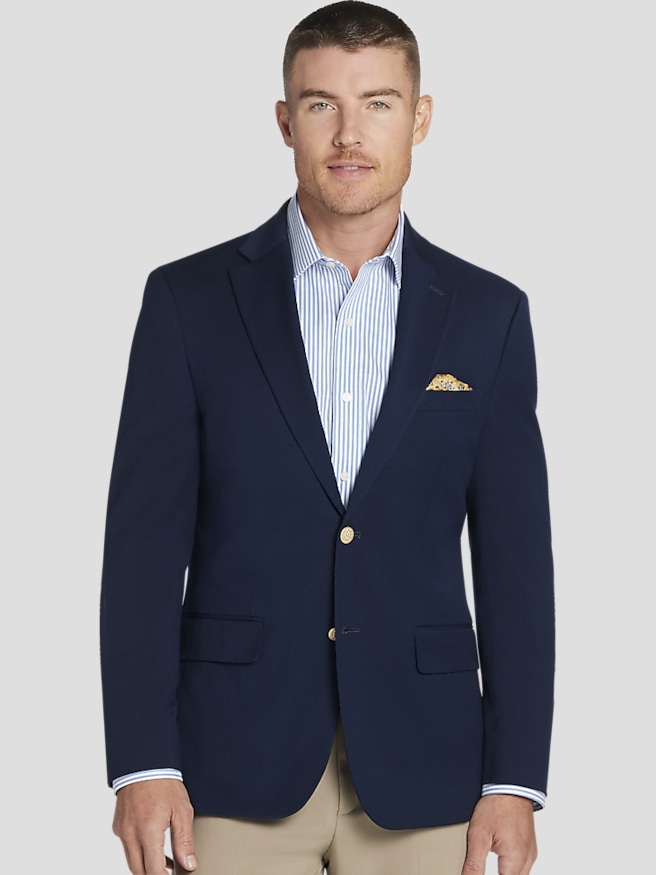
Smart-casual outfits occupy the space between denim-and-sneakers dressing and a full suit, making them useful for offices with flexible dress codes, dinner reservations, networking events, and celebrations with a less formal setting. A knit polo with tailored trousers and loafers creates a clean combination without the structure of a jacket. An Oxford button-down beneath an unstructured sport coat adds definition while keeping the overall effect approachable. Fine-gauge sweaters offer another option, either worn on their own with trousers or layered over a shirt with the collar sitting neatly at the neckline. Texture does much of the work in these outfits: the visible weave of an Oxford shirt, the soft surface of wool trousers, and the grain of leather shoes provide interest even when the colors stay quiet. Navy with gray is a dependable pairing, while brown, cream, and olive create softer contrasts. Tonal dressing can be equally effective when the shades are close but not identical, such as charcoal trousers with a medium-gray knit and black shoes. Fit determines whether these combinations look relaxed or simply oversized. Jacket shoulders should rest near the natural shoulder line, sleeves should allow comfortable movement, and the front should close without pronounced pulling. Trousers need enough room through the seat and thigh to stay comfortable when seated, whether the leg is tapered, straight, or more generous. Wool can provide drape and natural resilience, cotton offers a more casual feel, and blended fabrics may add stretch or help a garment retain its shape. Footwear helps establish the final level of formality: loafers feel easy but polished, lace-up leather shoes add structure, and minimal sneakers suit settings where the dress code permits them. A belt close in color to the shoes keeps the transition between pieces understated. For someone moving from a morning meeting to dinner, these combinations offer polish without requiring a complete change. Proper hangers, time to air between wears, and cleaning according to the label help preserve the shape and finish of tailored pieces.
Dressier men’s outfits rely on coordinated tailoring, thoughtful shirt and shoe choices, and close attention to the event’s dress code. A navy or charcoal suit with a crisp dress shirt and leather lace-up shoes is a versatile foundation for business occasions and many weddings. A tie adds color and pattern in a controlled area, while a white pocket square can provide a simple finishing detail without competing with the rest of the outfit. Formality comes from the entire combination rather than one accessory: a well-fitting suit, neatly pressed shirt, maintained shoes, and balanced trouser length work together. Black-tie events generally call for a tuxedo, a formal dress shirt, a bow tie, and appropriate black formal footwear, with the invitation setting the expectations. Suit fabrics vary in feel and performance. Wool is valued for its drape and resilience, while some blends incorporate fibers that influence texture, stretch, or care requirements. A lining can help a jacket move smoothly over a shirt, but comfort still depends on sufficient room across the back and through the sleeves. Tailoring can refine sleeve length, trouser hems, and the waist, though the underlying cut needs to suit the wearer’s proportions. Shoes also deserve attention beyond appearance; a stable heel fit, adequate toe room, and comfortable support matter during ceremonies, presentations, and long receptions. Brushing a tailored garment, hanging it on a shaped hanger, and addressing marks promptly according to care instructions can help it stay presentable between professional cleanings. Accessories can make thoughtful gifts when the recipient’s preferences are familiar: a restrained tie for someone who attends business events, a pocket square for a frequent wedding guest, or a leather belt in a commonly worn color. Clothing gifts benefit from a clear understanding of measurements and preferred fit rather than size labels alone. For more combinations spanning casual plans, professional settings, and dressed-up occasions, explore Men's Outfits.