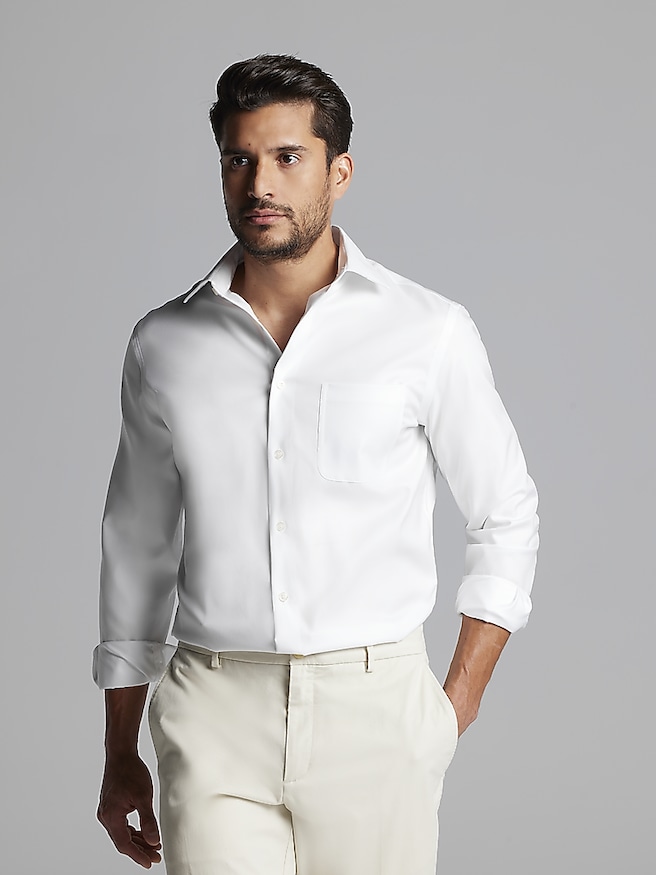
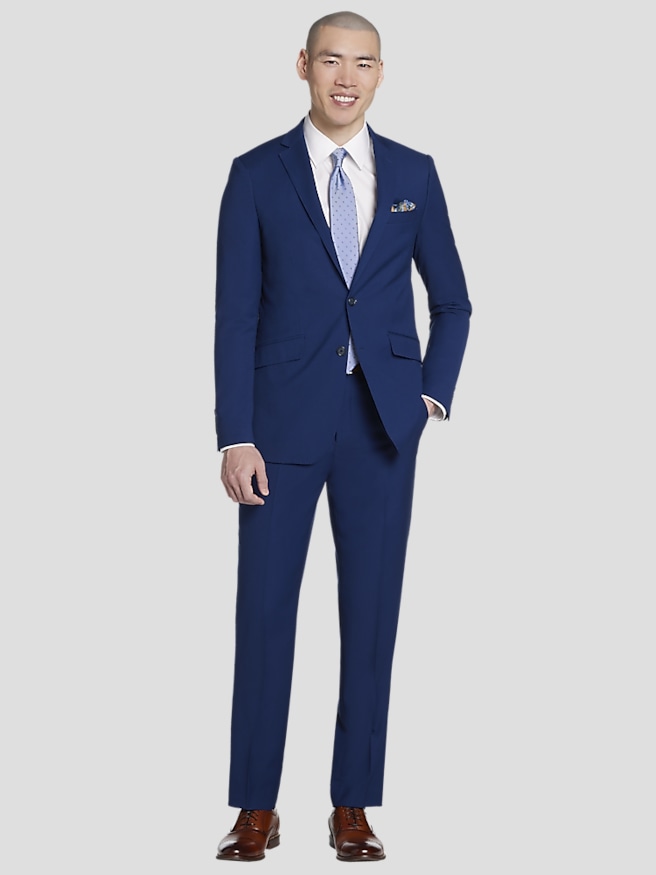
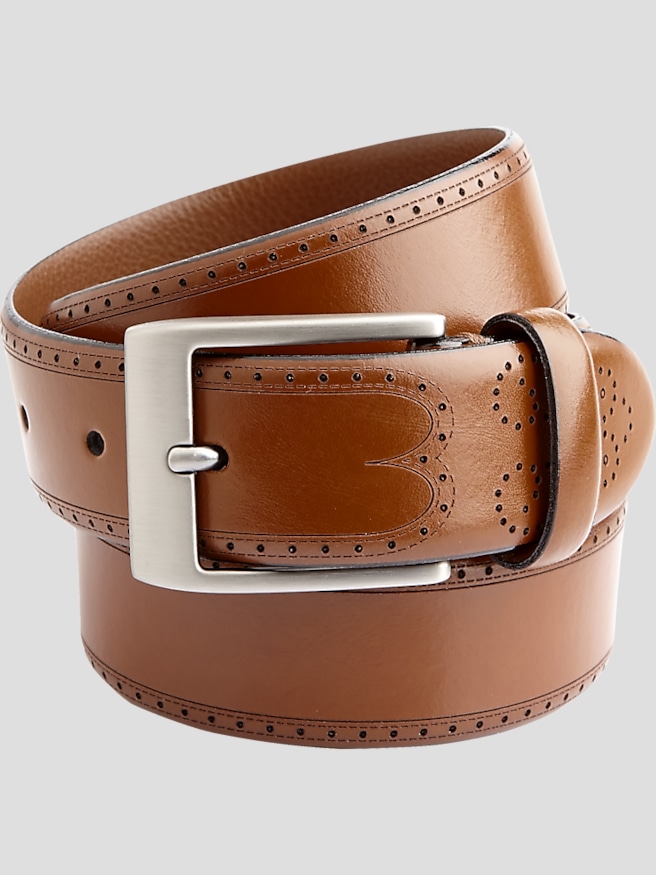
Men’s closet must-haves are the versatile clothing essentials that work together across office days, weekends, and evenings out. They form the foundation of a men’s capsule wardrobe: a collection small enough that most pieces can be worn in several combinations. Navy, gray, white, and tan make a useful starting palette because they sit comfortably beside one another without making every outfit look the same. Charcoal and white create a crisp contrast for a work presentation, while shades of blue and gray can feel more relaxed at dinner. Color does some of the work, but the finish of the fabric and the shape of the clothing matter just as much. A neat, structured layer can make familiar basics look more polished for an afternoon meeting. Take that layer away, and the same outfit can look at home in a booth at the neighborhood diner. The most useful mix depends on how a person actually dresses from one day to the next. Someone in a casual workplace might get the most wear from relaxed clothing with clean lines, while someone who meets with clients regularly may rely more on tailored separates. For a person who does both, the overlap is where the wardrobe earns its keep: neutral tones that work at either end of the dress code, fabrics that look good together, and layers that sit neatly without pulling. A closet built around repeat wear still leaves room for personality. A muted accent color or a subtle pattern stands out more against familiar neutrals, and understated texture adds depth without making a combination hard to repeat. The pieces that tend to get worn most often are the ones that already have a place alongside several things in the closet, rather than needing a whole new outfit to make sense.
Fabric and fit help determine whether those everyday essentials feel as good at the end of the day as they look on a hanger. A smooth, tightly woven fabric can give tailored clothing a crisp finish, while a soft knit has more give and lends an outfit a casual feel. Cotton can feel breathable and comfortable against the skin, though a lightweight knit and a firm weave made from the same fiber will hang and move in distinct ways. Wool can drape neatly and release some light creases after hanging, a useful quality in clothing that gets worn for long stretches. A touch of stretch can make reaching or sitting easier, but what matters over repeated wear is whether the fabric returns to shape instead of staying bagged out at the elbows or knees. Fit is easiest to judge in motion. A layer that looks clean across the shoulders in the mirror can still bind when reaching for a bag on the back seat. A waistband that feels fine while standing may dig in halfway through a long lunch. In tailored clothing, pulling across the chest or hips often points to a poor fit, while a relaxed cut can have extra room without looking oversized if the shoulders and hems are in proportion. Layers also need to be considered together: a close fit can look sharp on its own, but may bunch when worn over another fabric. Small alterations can tidy a hem, but the underlying cut has more to do with whether clothing moves comfortably. Those distinctions are part of what makes a wardrobe versatile. A relaxed fit and visible texture can keep neutral colors from feeling too formal on a Saturday, while a cleaner drape and smoother finish can make those same colors look right for a dinner reservation.
Because closet staples see more repeat wear, the details that hold up over time are worth noticing. A cuff that springs back into shape, a flat seam that doesn’t rub, and even stitching around areas that get tugged all make a practical difference. A substantial fabric can feel sturdy, but weight alone doesn’t tell the whole story. A lighter, tightly woven fabric may keep a cleaner shape than a heavier one with a loose construction. Care matters just as much as construction, especially for clothing that makes its way into the laundry often. Where the label allows, turning darker clothing inside out before washing can help reduce surface abrasion, and avoiding excess dryer heat can limit shrinkage or wear on stretch fibers. Folding knits can keep them from stretching at the shoulders, while hanging structured clothing on a supportive hanger helps preserve its shape. For a gift, the best clue is often what the recipient already wears until it’s ready to be replaced. Someone starting a new job may appreciate a polished addition that fits the dress code without clashing with familiar colors. For a person who dresses casually most days, an easy-care fabric and a familiar cut may get more use than something reserved for a special occasion. Knowing the recipient’s preferred fit is as helpful as knowing the size, since two people with the same measurements may like very distinct silhouettes. The combinations in Mens Must-Have Outfits show how closet essentials can be worn together, from relaxed combinations to more polished ones. A well-used wardrobe doesn’t have to look the same every day. Its value is in having familiar pieces that feel comfortable, hold their shape, and give the person wearing them enough room to dress for the occasion without starting from scratch.