Men’s watches bring practical timekeeping and personal style together in an accessory that can feel just as appropriate with a tailored suit as with a polo and jeans. Their character comes from a combination of dial design, case shape, strap material, and movement—the mechanism that keeps time. A dress watch typically has a relatively slim case, restrained markings, and a clean dial that complements formal clothing without drawing attention away from it. Everyday watches often balance readable displays with sturdy construction, while sport-oriented designs may emphasize luminous hands, easy-to-grip crowns, and straps suited to active routines. Analog watches display time with hands, digital watches use an electronic readout, and some designs combine both. A chronograph adds a stopwatch function, usually operated through separate pushers, while a date window provides a convenient reference during a busy workday. These features serve distinct purposes: a clear three-hand dial can be useful at a glance, whereas additional displays offer more information but create a busier appearance. Quartz movements regulate time using an electrically powered quartz crystal and are known for consistent accuracy and straightforward upkeep. Mechanical movements run on energy stored in a wound spring; automatic movements use the motion of the wearer’s wrist to help wind that spring. This distinction affects everyday ownership as much as appearance, since a mechanical watch may stop when left unworn beyond its power reserve. Materials also influence how a watch feels and holds up. Stainless steel is widely used for cases and bracelets because it combines strength with corrosion resistance, although it can still collect surface scratches. The transparent crystal over the dial may be acrylic, mineral glass, or sapphire. Acrylic can scratch relatively easily but may be polishable, mineral glass offers practical everyday protection, and sapphire provides strong scratch resistance without being immune to chips or impacts. Together, these details give men’s watches a range of personalities, from understated accessories for client meetings to more substantial timepieces for an active daily routine.
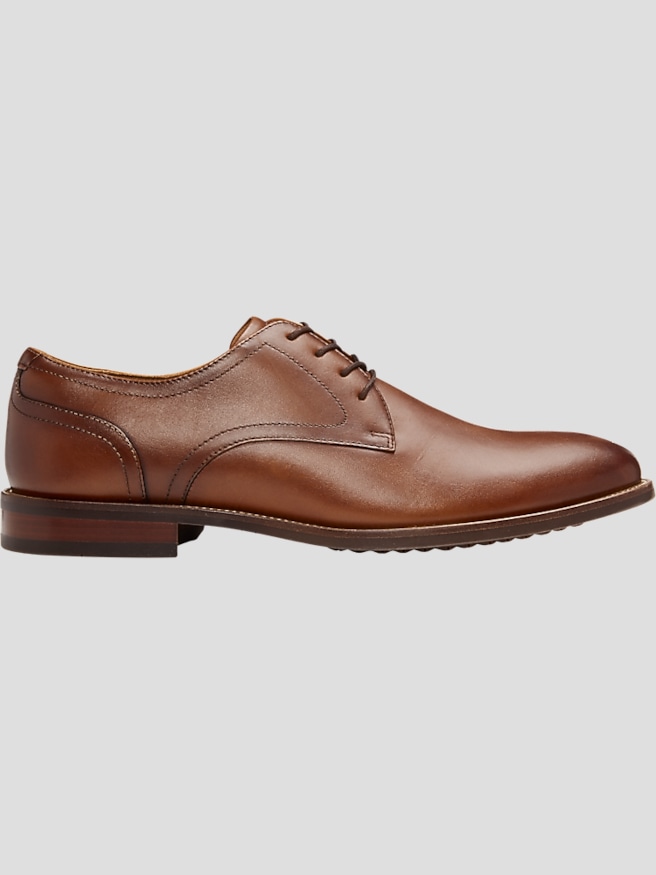
The fit of a watch matters as much as its dial color or finish. Case diameter gives a useful sense of scale, but the distance between the ends of the lugs—the projections that attach the strap—also determines how comfortably a watch sits across the wrist. A broad case with short lugs can wear more neatly than a smaller case with long ones. Thickness makes another noticeable difference, particularly when a watch needs to slide beneath a buttoned shirt cuff. A low-profile case can disappear under a sleeve during a presentation, while a thicker watch may catch against the cuff each time the arm moves. A comfortable strap or bracelet keeps the case reasonably centered without digging into the skin or allowing it to rotate freely around the wrist. Leather straps have a supple, familiar feel and often develop character with wear. Smooth leather creates a polished impression, while textured leather brings subtle depth to an otherwise simple outfit. A brown leather strap pairs naturally with men’s brown shoes, especially when the shades share a similar warmth; they do not need to match perfectly to look considered. Black leather offers a crisp complement to black footwear and more formal tailoring. Metal bracelets provide a different balance of weight, texture, and durability, with linked construction that can usually be adjusted to fit. Polished links catch the light, while brushed finishes create a quieter effect and can make minor surface marks less noticeable. Silicone and woven fabric straps bring a relaxed character and may suit exercise, travel, or other routines where flexibility matters. Coordination works best when the watch feels connected to the outfit rather than copied from it. A silver-tone case can echo a belt buckle or cuff links, and a warm-toned case can soften the contrast against navy, charcoal, or earth-toned clothing. At a wedding, a restrained dial and slim profile keep the emphasis on the suit; with casual clothing, a textured strap or more prominent case can become part of the outfit’s personality.
Durability depends on both construction and everyday care. Water resistance should be understood through the manufacturer’s stated rating and intended uses, not simply the presence of that phrase on a dial or case back. A watch suited to incidental splashes is not necessarily appropriate for swimming, and hot showers can expose it to heat, moisture, and soap beyond its intended conditions. Seals also age, so protection can change over time. Crowns and pushers should be used around water only as the manufacturer permits, and a screw-down crown needs to be properly secured before exposure. Leather benefits from staying dry and being allowed to air out after wear; prolonged moisture can cause discoloration, stiffness, or deterioration. A soft cloth helps remove fingerprints and surface residue from a case or bracelet, while deeper cleaning should follow the watch’s care instructions. Harsh cleaners and abrasive materials can damage finishes, coatings, or straps. Keeping a watch separate from loose keys and other hard objects reduces unnecessary scratches, and mechanical watches benefit from avoiding strong magnetic fields that can affect timekeeping. Battery replacement, seal checks, and movement servicing are best handled according to the manufacturer’s recommendations, especially when opening the case could compromise water resistance. These ownership details also matter when a watch is chosen as a gift. A graduation, birthday, anniversary, or career milestone can make a timepiece a meaningful present for a father, brother, partner, friend, or graduate. The most personal choice often reflects the recipient’s habits: an uncluttered dial for someone who values simplicity, a comfortable bracelet for frequent wear, or a slim leather-strap watch for someone who spends much of the week in tailored clothing. Wrist size, preferred metal tones, and willingness to maintain a mechanical movement are useful considerations alongside appearance. For someone building a professional wardrobe, a versatile watch can provide a consistent finishing touch across meetings, dinners, and celebrations. For a longtime enthusiast, the appeal may lie in the movement, proportions, or small design details that become familiar through years of wear.