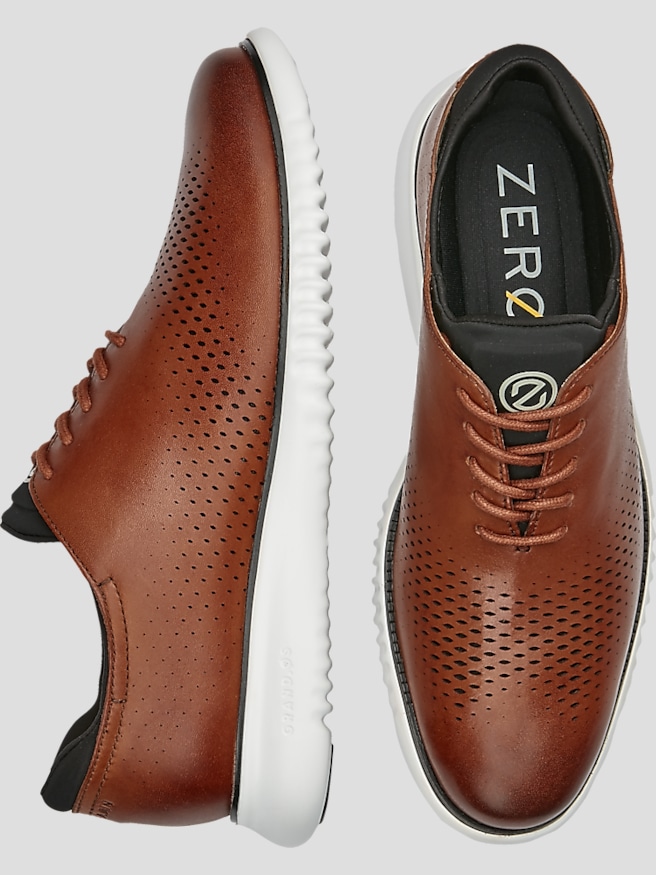
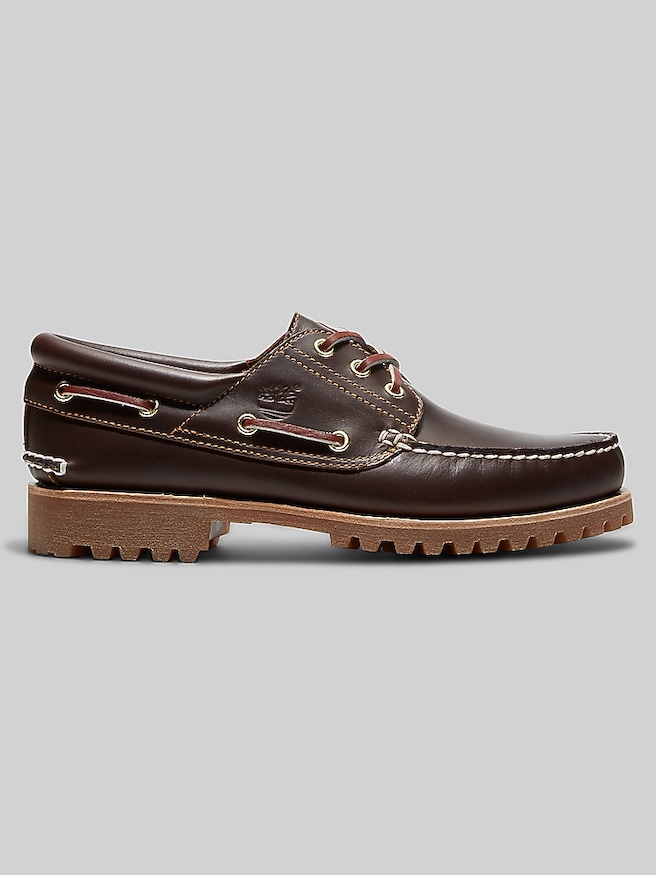
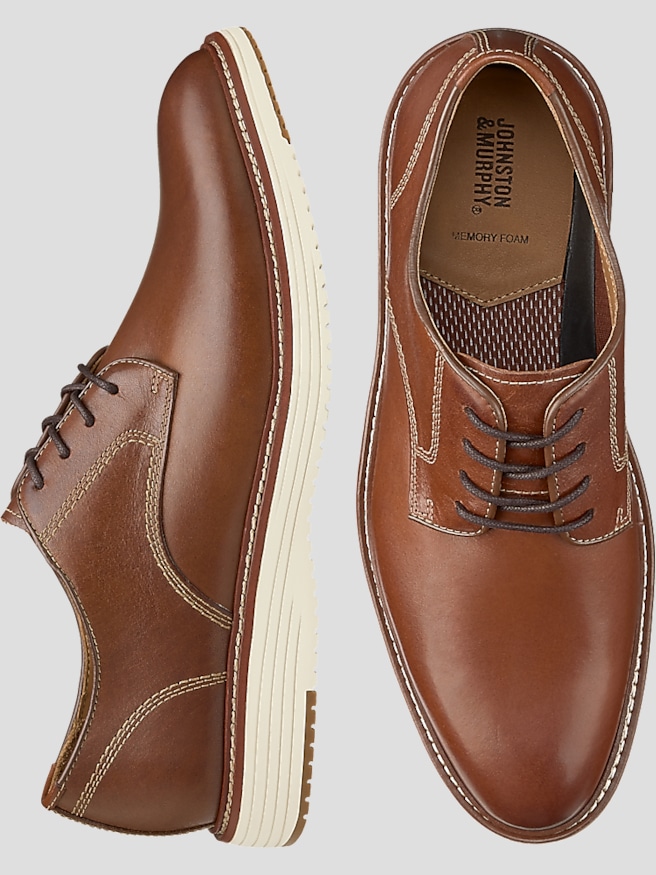
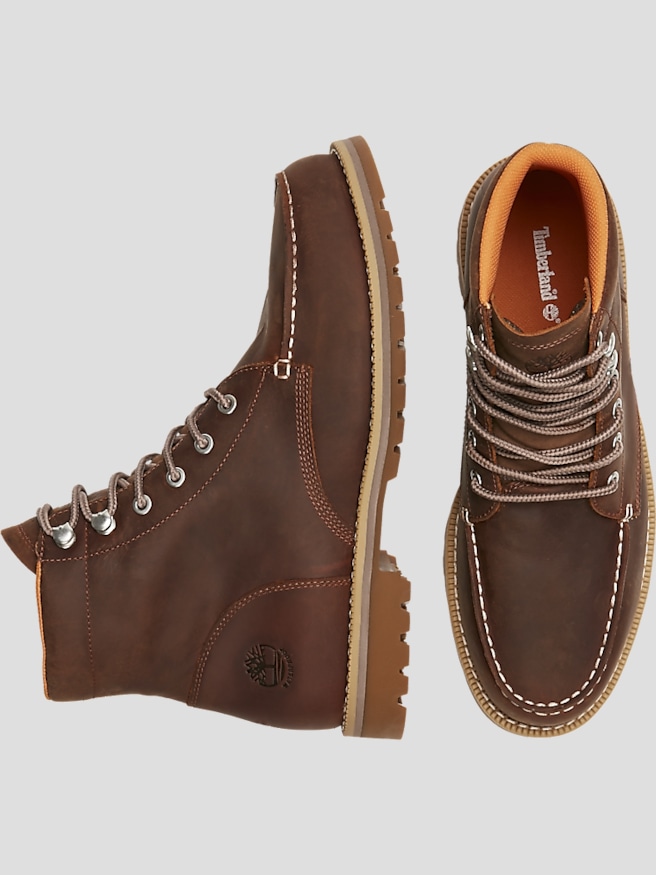
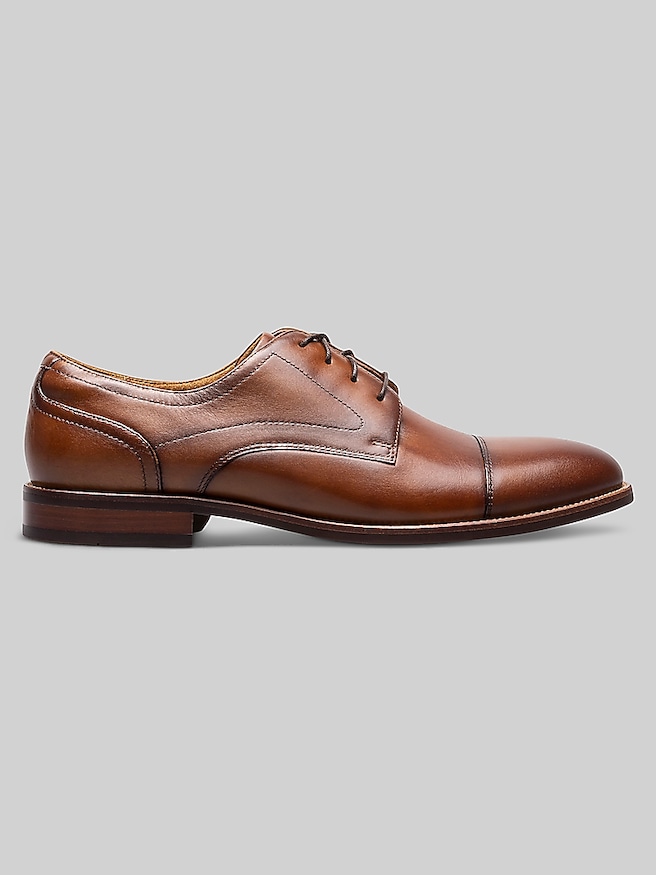
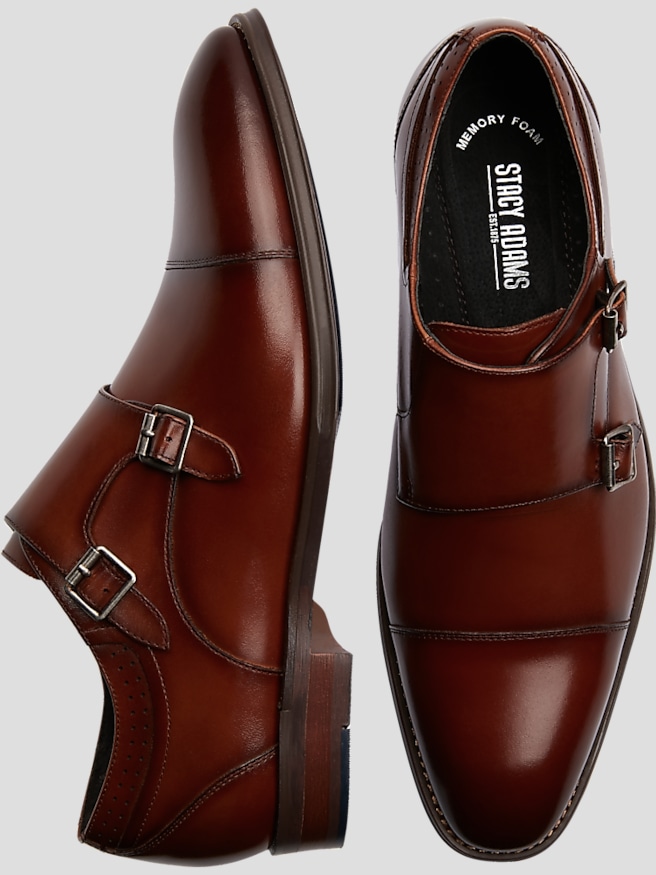
Men’s brown shoes bring warmth and depth to tailored clothing, with shades ranging from light tan and cognac to chestnut and dark chocolate. Their versatility comes from the way brown complements navy, gray, olive, khaki, and denim without making every outfit feel equally formal. Dark brown dress shoes create a restrained contrast with a navy suit, making them a natural choice for office presentations, wedding guests, and evening gatherings that call for tailoring. Medium brown works well with light or mid-gray trousers, while deep brown gives charcoal clothing a quieter finish than brighter tan shades. With earth-toned pants, a little separation between the shoe and fabric keeps the outfit from looking flat; walnut-colored footwear beneath stone chinos is one example. Shape and detailing matter as much as color. An Oxford has closed lacing that creates a sleek profile, particularly in a plain-toe or cap-toe design. A Derby has open lacing and often looks slightly more relaxed, moving comfortably between wool trousers and chinos. Brogue perforations add texture and visual interest, while a smooth, minimally decorated upper tends to look dressier. Brown loafers offer an easy finish for tailored separates, and streamlined brown sneakers suit casual workplaces and weekends. An almond-shaped toe generally feels understated, while a heavier sole or rounded toe brings more visual weight to denim and textured fabrics. For men in brown shoes, the strongest combinations usually let the footwear complement the outfit rather than compete with it. A belt in a similar brown tone helps connect the look without requiring an exact color match. Navy or charcoal socks can maintain a clean line beneath trousers, while muted patterns bring a little personality to otherwise simple clothing. Brown footwear fits many dress codes, but traditional black-tie attire generally calls for black formal shoes. That distinction makes the occasion, not just the color of the suit, an important part of choosing a pair.
Materials influence how brown shoes look on the first outing and how they feel after a full day. Smooth leather can take on a polished finish suited to tailoring, while suede has a soft, matte surface that sits naturally alongside corduroy, brushed cotton, and knitwear. Pebbled leather adds texture and may make small surface marks less noticeable, though the grain alone does not establish overall quality. For a classic finish with plenty of styling flexibility, leather brown shoes complement everything from pressed office trousers to dark, clean-lined jeans. Full-grain leather retains the hide’s natural surface and can develop character with wear; other leather finishes may produce a more uniform appearance or require a distinct care routine. Construction, lining, and sole design also affect comfort and longevity. Leather soles often create a slim, traditional silhouette, while rubber soles can provide useful cushioning and traction, depending on their tread and composition. Neither leather nor suede should be assumed waterproof without a stated protective construction or treatment. During the cooler months, a textured outsole can be practical for damp sidewalks, though no dress shoe guarantees grip on ice. Fit deserves just as much attention as the upper material. Toes need room to rest naturally, the widest part of the foot should align with the widest part of the shoe, and the heel should feel secure without rubbing. Lace-up designs allow adjustment across the instep, while loafers rely more heavily on the shape and volume of the shoe itself. Trying footwear with the socks intended for regular use gives a more useful sense of fit, especially when thicker socks enter the rotation. A little leather softening is normal, but persistent pinching, numbness, or toes pressing against the front are not problems to dismiss as a break-in period. For a commute followed by hours at a desk and an evening event, a stable heel, comfortable forefoot, and suitable underfoot support matter more than a polished appearance alone.
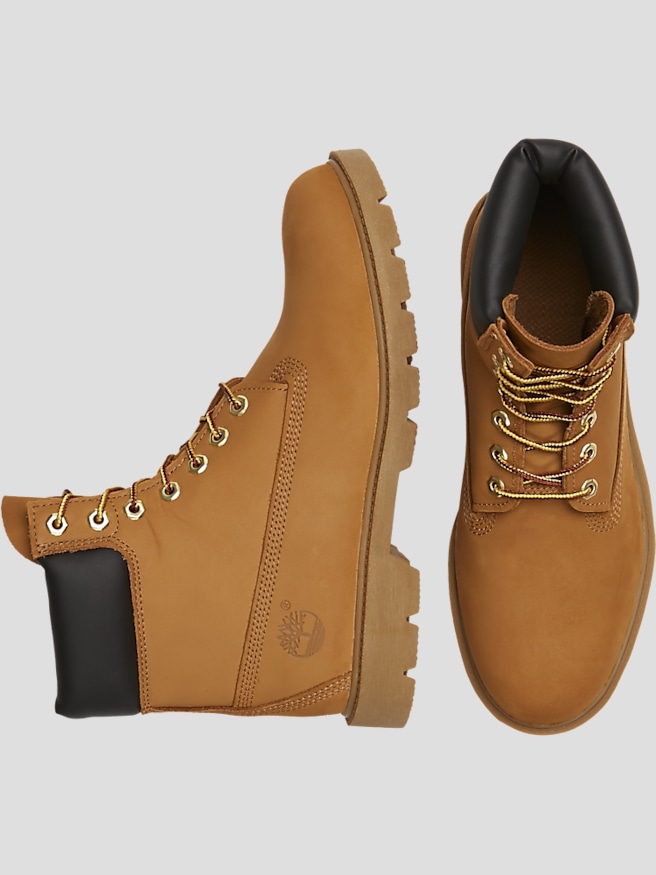
Brown footwear earns its place in a wardrobe through repeated use, whether that means weekday meetings, family celebrations, or dinner after work. A dark brown lace-up can anchor a small collection of tailored clothing, while a softer suede loafer or substantial brown boot brings another texture to casual outfits. For someone who spends much of the day standing, room through the forefoot and a supportive sole may take priority over an especially narrow silhouette. For someone who travels frequently, a versatile shade that coordinates with several pairs of trousers can simplify packing. Brown shoes can also be a thoughtful gift for a graduate starting a professional role, a partner who enjoys dressing for occasions, or a family member refreshing a well-used wardrobe. Knowing the recipient’s size, usual width, preferred closure, and everyday dress code makes that choice more personal and practical. Once a pair becomes part of regular rotation, consistent care helps preserve both its appearance and its structure. Dust and grit should be brushed or wiped away before they collect around seams and creases. Smooth leather benefits from an appropriate conditioner used according to the maker’s directions, followed when needed by polish matched to the finish and shade. Testing care products in an inconspicuous spot helps avoid unexpected darkening. Suede needs its own brush and suitable cleaning products rather than ordinary leather polish, which can flatten or discolor the nap. Wet shoes should dry naturally away from radiators and other direct heat sources; removing excess moisture promptly is especially useful after a damp commute. Cedar shoe trees can help absorb moisture and maintain shape between wears, and alternating pairs gives linings time to dry. Checking heel wear, loose stitching, and thinning soles can reveal small issues before they affect comfort. Some constructions allow professional resoling, though that depends on how the shoe is made. With suitable fit, thoughtful care, and a shape matched to daily routines, brown shoes can remain a dependable finishing touch across workdays, celebrations, and relaxed weekends.