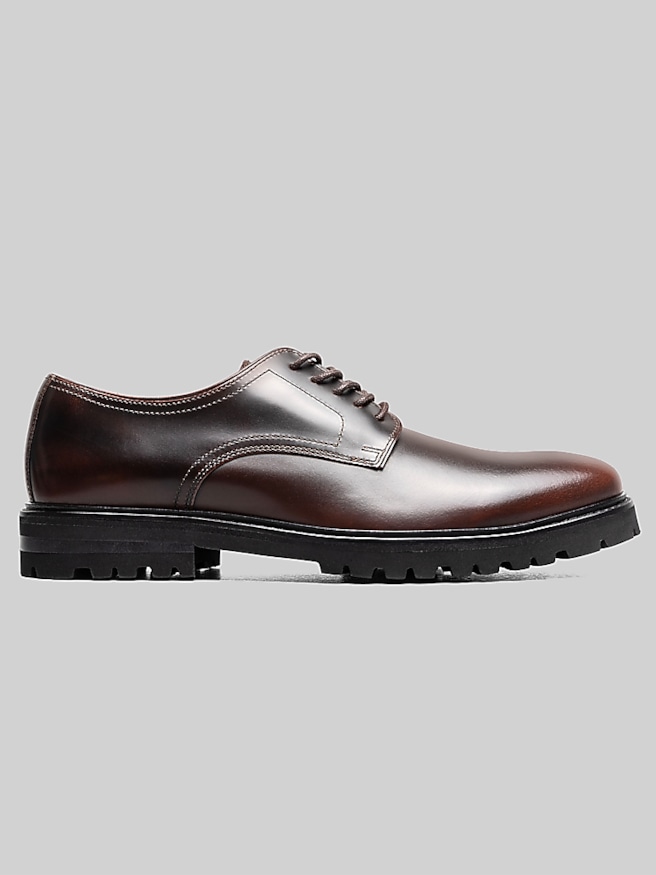
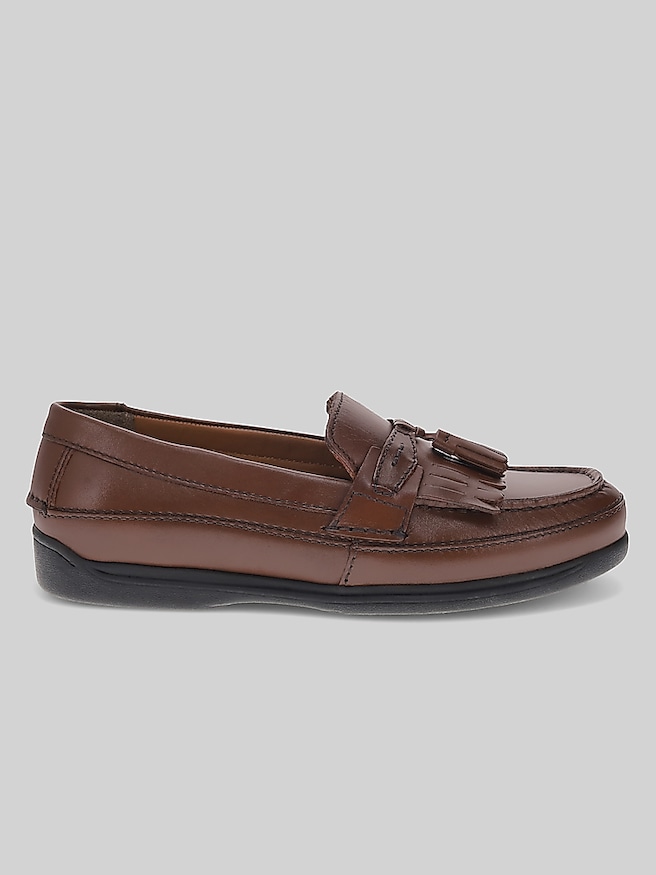
Brown dress shoes bring warmth and depth to tailored clothing, giving a navy suit, gray trousers, or a textured sport coat a polished finish without making the outfit feel overly formal. The color covers a broad range of looks: deep chocolate can appear restrained and businesslike, medium brown strikes a versatile balance, and lighter cognac tones make the footwear a more noticeable part of the outfit. That distinction matters when getting dressed for a client meeting, a wedding reception, or dinner at a restaurant where a jacket feels appropriate. A darker, smooth leather shoe generally creates a quieter impression, while a lighter shade with visible grain or decorative stitching adds character. The shape and detailing contribute just as much as the color. Oxfords have closed lacing that creates a compact profile, making them a natural companion to suits and neatly pressed dress pants. Derbies feature open lacing and often have a slightly more relaxed appearance, allowing them to move comfortably between tailored outfits and business-casual clothing. Loafers offer a clean, slip-on alternative that can look refined with trousers and an unstructured jacket. Brogue detailing introduces small perforations along the seams, adding texture without relying on a bold color contrast. For an outfit that needs to look composed rather than attention-seeking, a simple toe and subtle stitching keep the focus on the overall silhouette. More pronounced detailing can give plain trousers a useful point of interest. Brown also pairs naturally with earth tones, cream, olive, and blue, which makes these shoes useful beyond a single suit. A belt in a similar shade helps create a cohesive appearance, though the two pieces do not need to match with absolute precision. The best combination usually shares a similar depth of color and level of formality. While brown dress shoes suit many professional and celebratory settings, events with a strict formal dress code may call for other footwear. Their particular strength lies in making everyday tailoring feel considered, approachable, and complete.
Materials and construction influence how brown dress shoes look, feel, and hold up through repeated wear. Smooth leather offers a defined surface that can be conditioned and polished, while suede has a softer, matte texture that gives tailored clothing a more relaxed edge. Full-grain leather retains the hide’s natural surface character and can develop subtle variations with use; other leather finishes may create a more uniform appearance. Neither a glossy finish nor a supple feel alone tells the whole story, since lining, stitching, sole attachment, and overall fit also shape the wearing experience. A leather lining can help manage moisture inside the shoe, and a well-finished interior reduces the chance of seams rubbing against the foot. Underfoot, leather soles can provide a traditional appearance and a slim profile, while rubber soles often add traction and cushioning. Some designs combine the two approaches, preserving a dressy outline with rubber at key contact points. Construction that allows resoling may extend the useful life of a pair, although repair options depend on the individual design. Fit deserves equal attention, especially for someone whose day includes standing through presentations, walking between offices, or staying on the dance floor after dinner. The heel should feel secure without pinching, the forefoot should have room without sliding around, and the toes should not press against the front. A long, tapered toe shape does not necessarily mean the foot has adequate width where it needs it. Trying dress shoes with the socks intended for regular wear gives a more useful impression of the fit than trying them with unusually thick or thin socks. Feet can also vary slightly in size, making comfort on both sides important. Leather may soften with wear, but a painful fit is not something to rely on breaking in. Those who place a particular emphasis on all-day ease can also explore Brown Comfortable Shoes for a related approach to everyday footwear. A comfortable pair should support the occasion without becoming the part of the outfit that demands constant attention.
Thoughtful care helps preserve the rich color and crisp shape that make brown dress shoes appealing. Surface dust and grit can dull the finish and collect around seams, so a soft brush or cloth is useful for routine cleaning. Smooth leather benefits from conditioning appropriate to its finish, followed by a suitable cream or polish when the surface needs refreshing. A closely matched brown polish can support an even appearance, while a neutral formula may be useful when maintaining a shade with subtle variation; compatibility still depends on the leather and the care product. Testing a small, inconspicuous area helps avoid an unexpected color change. Suede calls for its own brush and cleaning products rather than the creams used on smooth leather, since preserving the nap is part of maintaining its distinctive texture. Cedar shoe trees can help absorb interior moisture and support the shape between wears. Allowing shoes to air out before wearing them again, keeping them away from direct heat, and using a shoehorn to protect the heel counter all contribute to their longevity. The soles and heels deserve occasional attention, too: uneven wear can affect the way a shoe sits and feels, even when the upper still looks presentable. Beyond maintenance, the value of brown dress shoes often comes from how naturally they fit into familiar routines. A graduate starting an office job may reach for them with navy trousers and a tucked-in shirt. A wedding guest can pair them with a coordinated suit, while someone attending a family celebration might choose loafers with tailored separates. They can also make a thoughtful gift for a father, partner, or friend who enjoys dressing well, particularly when the recipient’s size, preferred width, and usual clothing style are known. A person who favors understated suits may appreciate a deep brown, minimally detailed look; someone who wears sport coats and textured trousers may enjoy a richer shade or more visible stitching. Across these settings, the appeal is consistent: a polished foundation that adds character without overwhelming the rest of the outfit.