Young men’s fashion brings together comfortable everyday clothing, clean proportions, and enough personality to make a familiar outfit feel distinct. Relaxed silhouettes and polished basics both have a place, with the strongest combinations looking intentional rather than overly coordinated. Straight-leg denim, chinos, casual shirts, knit polos, and unstructured jackets form a versatile foundation for school, campus life, first jobs, and time with friends. Black, white, navy, gray, and beige make it easy to repeat pieces in different combinations, while a muted green shirt, a textured knit, or a patterned accessory adds interest without overwhelming the outfit. Fit gives these simple clothes their character. A shoulder seam that sits close to the natural shoulder creates a clean line, and a shirt that lies smoothly across the chest looks comfortable whether worn alone or under a jacket. Relaxed clothing can have extra room through the body without swallowing the frame; slim clothing can follow the body without pulling at buttons or restricting movement. Pants influence the whole silhouette, too. A straight leg creates a balanced outline, a tapered leg narrows toward the ankle, and a fuller cut introduces a more laid-back feel. The waistband should stay comfortable while sitting, and pockets should lie reasonably flat rather than flare outward. Length matters just as much as width: a modest break over shoes reads differently from a cropped hem, but neither needs a pile of fabric at the ankle. These details become especially noticeable in everyday moments, from sitting through a lecture to standing for a group photo. Young men’s clothing works best when it supports those moments instead of demanding constant adjustment. A simple T-shirt with well-proportioned pants can look as considered as a button-down with tailored trousers, particularly when the neckline holds its shape, the hem sits neatly, and the shoes suit the setting. Personal style often comes through most clearly in those small, repeatable choices.
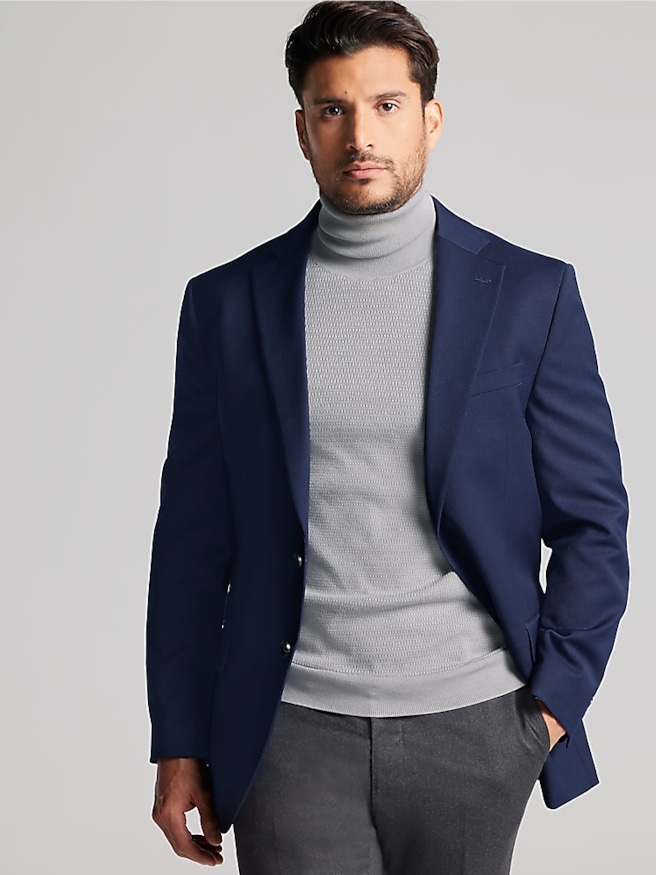
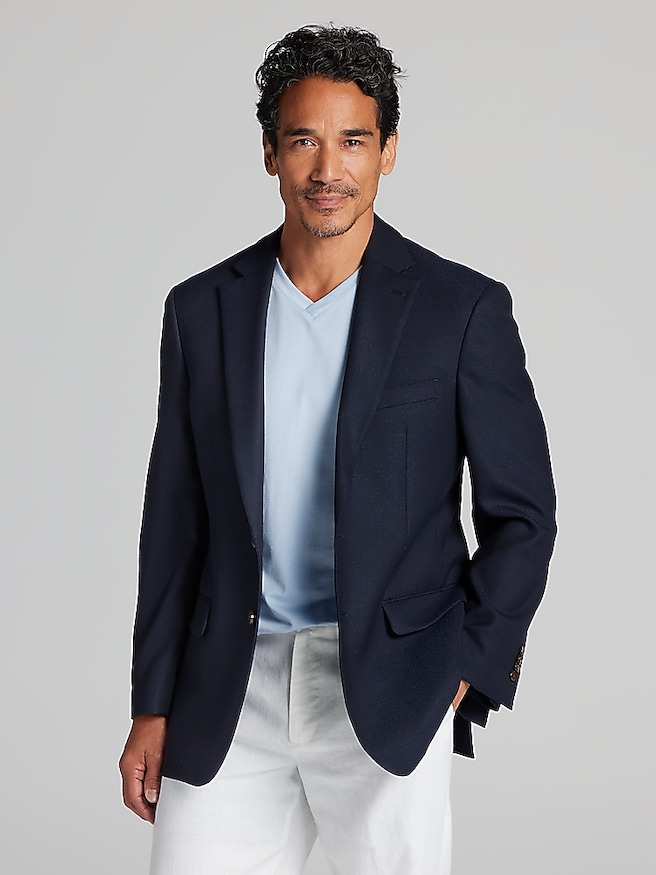
Fabric and construction help determine how clothing feels, drapes, and stands up to regular wear. Cotton jersey has a soft, familiar feel for casual tops, while cotton twill gives chinos a more defined surface and enough structure for everyday outfits. Denim can feel crisp and substantial or softer and more flexible, depending on its weight, finish, and fiber blend. A small amount of stretch may make sitting, walking, and bending more comfortable, though the cut still needs to provide sufficient room through the seat and thighs. Woven shirts offer another range of textures: an Oxford weave has visible character, while smoother fabrics create a cleaner, dressier impression. Knit polos bridge casual and polished dressing through a combination of softness, texture, and a defined collar. For tailored clothing, wool and wool blends can provide a fluid drape that helps a jacket settle neatly across the shoulders and trousers hang cleanly through the leg. Unstructured tailoring generally feels less rigid, making it a natural companion to a fine-gauge knit or an open-collar shirt. The inside of a garment deserves attention as well. Smooth seams, secure buttons, even stitching, and neatly finished edges contribute to comfort and can help clothing hold up to repeated use. Durability also depends on choosing a fit that does not place unnecessary strain on seams, knees, or pocket openings. Care requirements are part of that everyday practicality. Garment labels provide the right starting point because similar-looking fabrics may need different treatment. Avoiding excessive dryer heat where the label permits machine drying can help limit shrinkage, while reshaping knitwear and drying it as directed can help preserve its proportions. Substantial knits often keep their shape better folded than stretched over narrow hangers. Tailored jackets benefit from supportive hangers and space between wears, and prompt attention to small repairs can keep a loose button or opened seam from becoming a larger problem. Clothing that stays neat with a manageable care routine is easier to wear confidently and consistently.
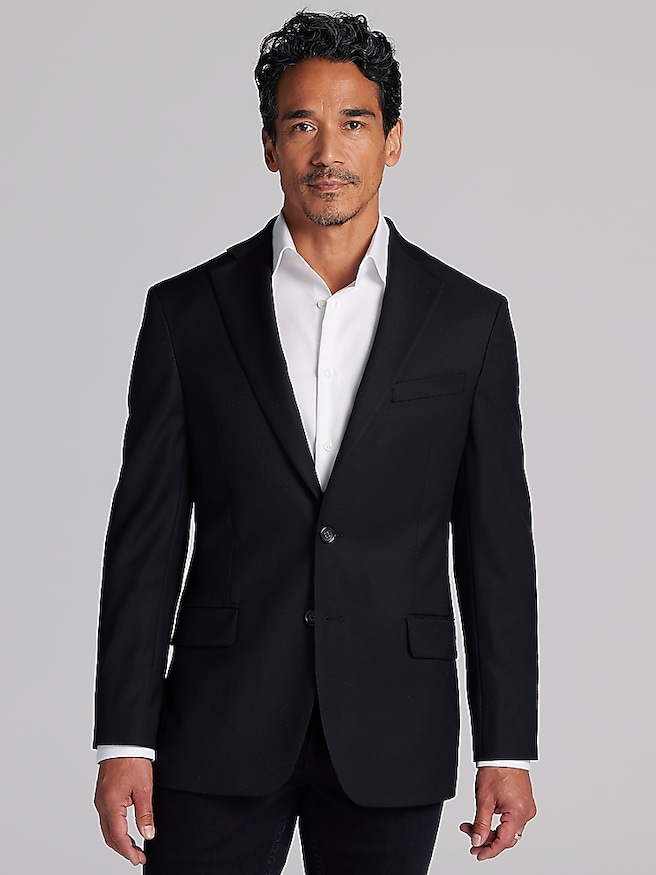
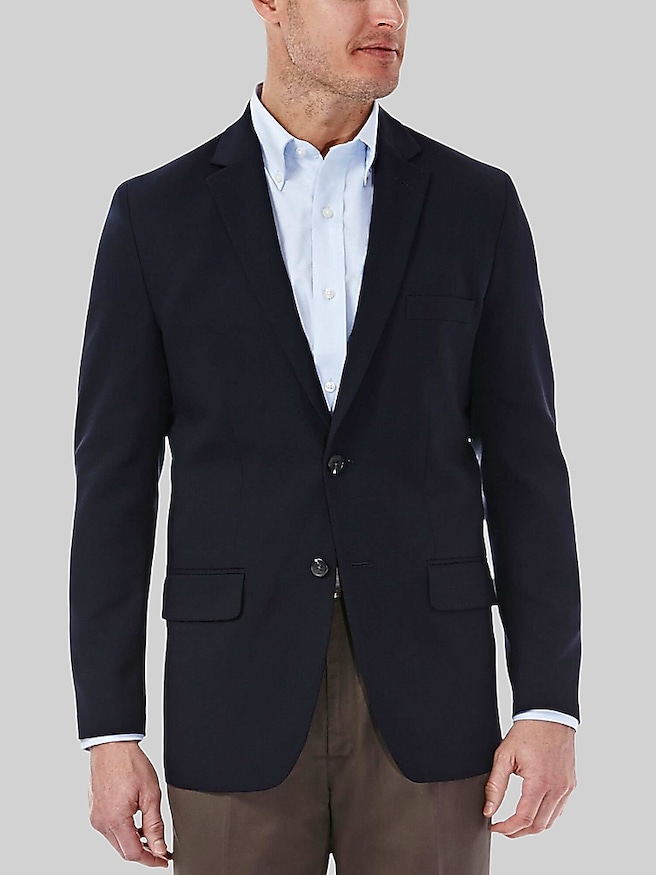
The appeal of a versatile wardrobe is how naturally it moves between settings without making every outfit look the same. For a day of classes followed by dinner with friends, straight-fit pants, a textured polo, and clean sneakers create an easy combination with a little definition. A casual button-down worn open over a plain tee offers a different balance, with the outer shirt adding shape while the base layer keeps the look relaxed. In a workplace with a business-casual dress code, chinos or tailored trousers paired with a tucked shirt and loafers can feel appropriate without looking unnecessarily formal. Interviews, graduation celebrations, and weddings may call for more structure, and the stated dress code should shape the choice between separates, a suit, or formalwear. A suit jacket should sit smoothly at the collar and allow comfortable movement across the back; trousers need enough ease for sitting through a ceremony or dinner. Small alterations to sleeve or trouser length can make the proportions feel more personal, especially for someone building a first tailored wardrobe. Accessories finish these outfits most effectively when they have a clear purpose. A belt can create a tidy transition between a tucked shirt and trousers, a tie can introduce restrained color, and simple socks can keep attention on the overall silhouette. Footwear changes the impression just as quickly: understated sneakers lean casual, loafers add polish, and lace-up dress shoes support more formal clothing. For destination celebrations or travel with a relaxed dress code, Men's Tropical Fashion offers a related style direction centered on easygoing outfits. Clothing can also make a thoughtful gift for a student, recent graduate, or someone starting a new job, particularly when the size, preferred fit, and usual routine are already familiar. Versatile colors and straightforward care requirements help a gift become part of regular rotation. Across these settings, young men’s fashion leaves room for individual taste while keeping comfort, proportion, and usefulness at the center. The result is clothing that feels suited to the person wearing it, whether the day calls for an everyday favorite or a more dressed-up introduction.