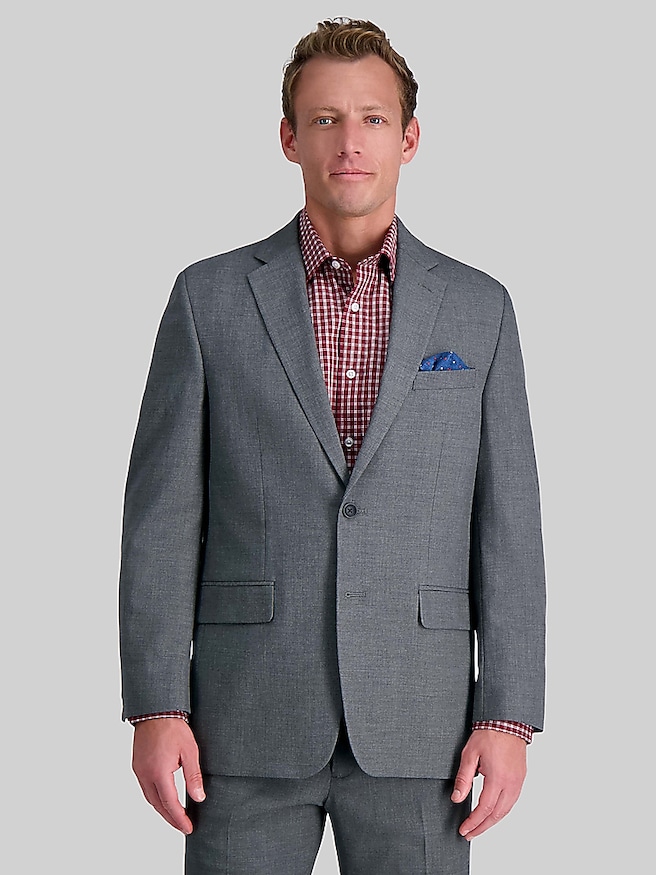
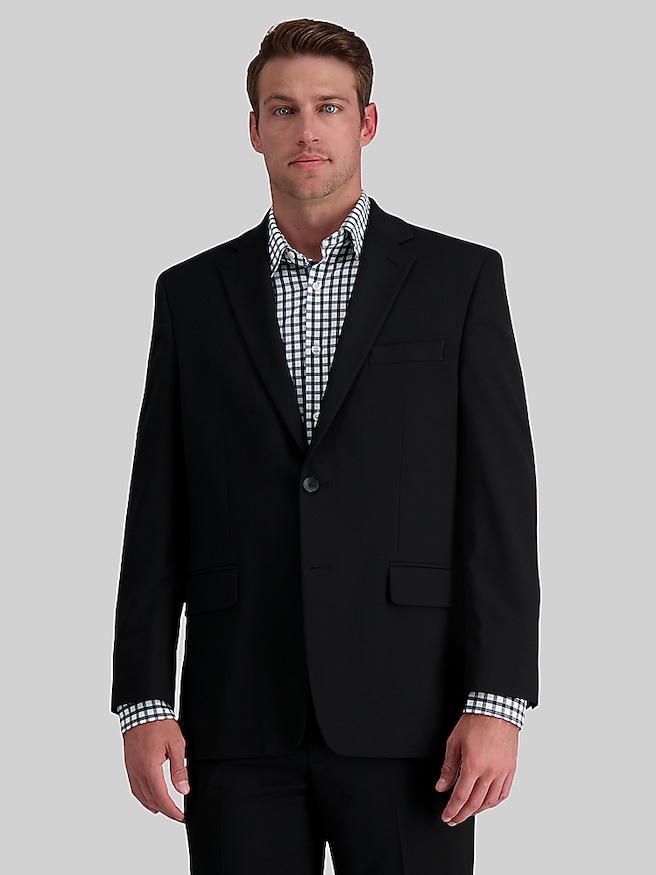
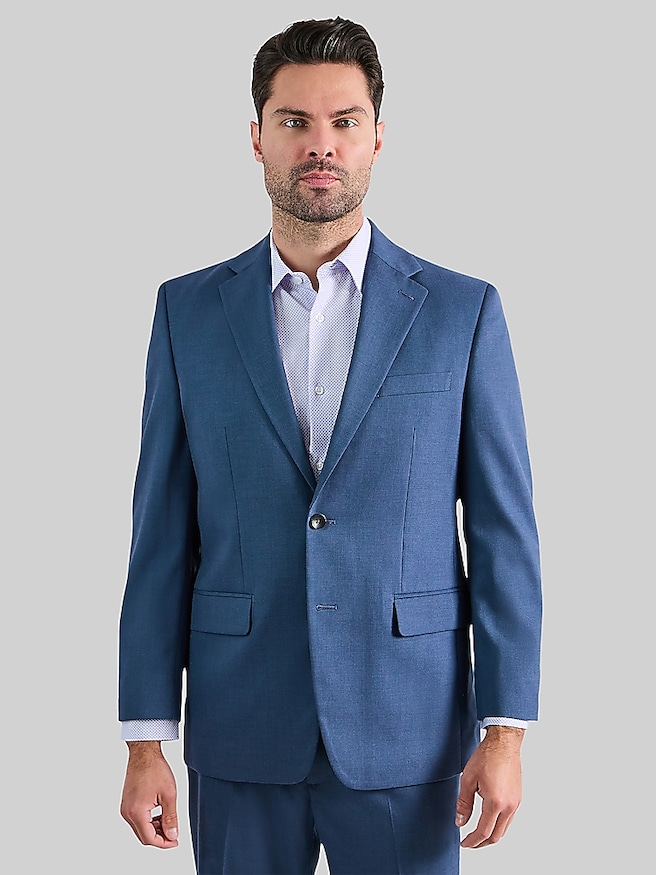
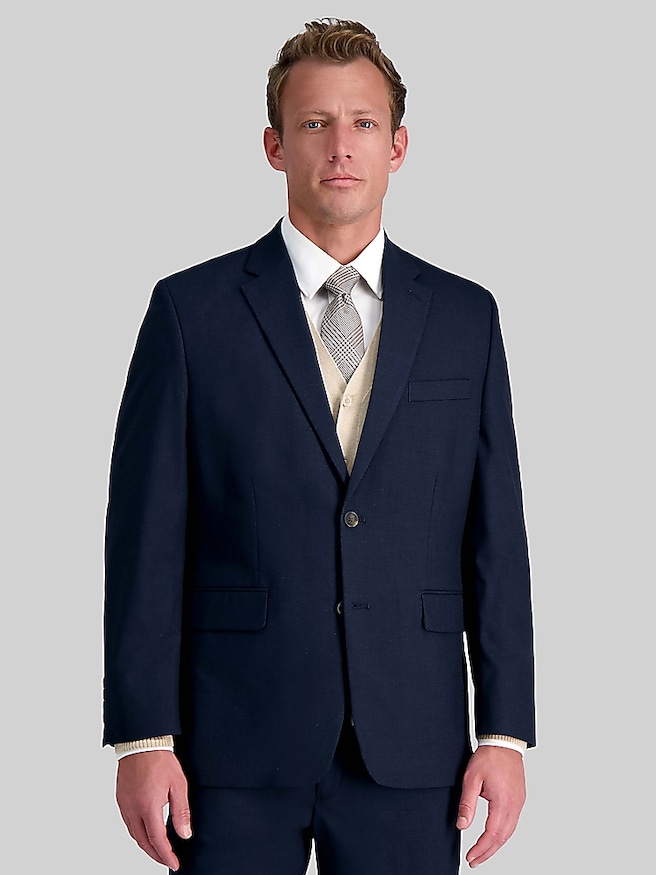
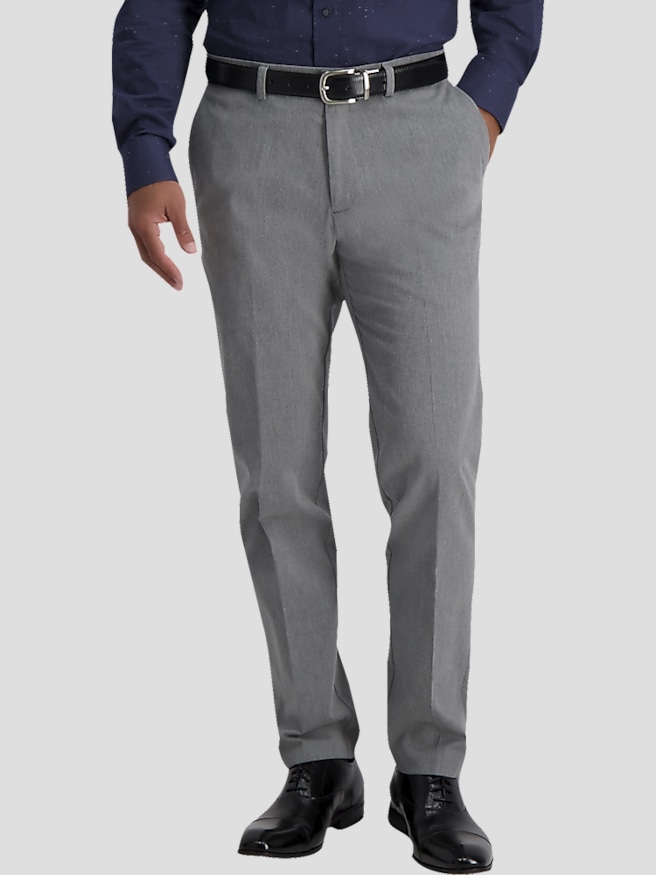
Men’s fashion is easiest to make useful when it balances personal style with the realities of everyday dressing. The strongest wardrobes are built around clothing that fits well, coordinates easily, and can move between different parts of a man’s life, from a regular workday to dinner with friends or a special event. Fit is the foundation: shoulder seams should sit naturally, sleeves should end cleanly at the wrist, and trousers should drape without pulling or pooling excessively at the hem. A well-fitting garment can make a simple outfit look considered, while even an expensive-looking piece can feel off when the proportions are wrong. Neutral colors such as black, white, navy, gray, tan, and brown make dependable starting points because they pair with one another and allow more room for personal expression. A crisp light-colored shirt can soften dark tailoring, while a navy or gray layer can bring structure to relaxed denim or casual trousers. During the cooler months, simple layers add both comfort and visual depth: a shirt beneath a sweater, an overshirt over a tee, or a tailored jacket worn with less formal separates can create an outfit that feels polished without looking overdone. Choosing fabrics with the season in mind also matters. Soft knits, brushed textures, and heavier weaves bring warmth as the air turns cooler, while breathable materials remain valuable indoors and during transitional weather.
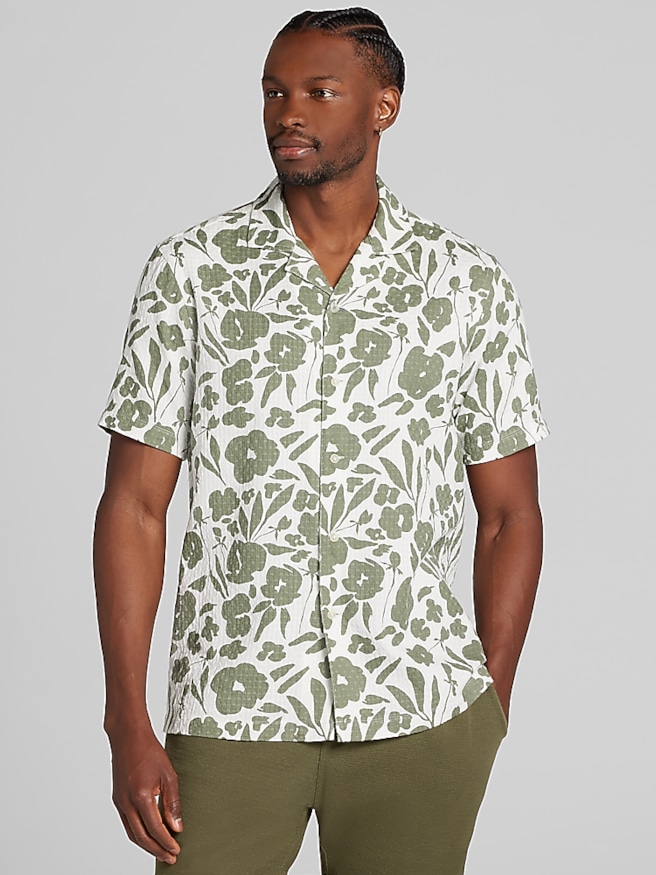
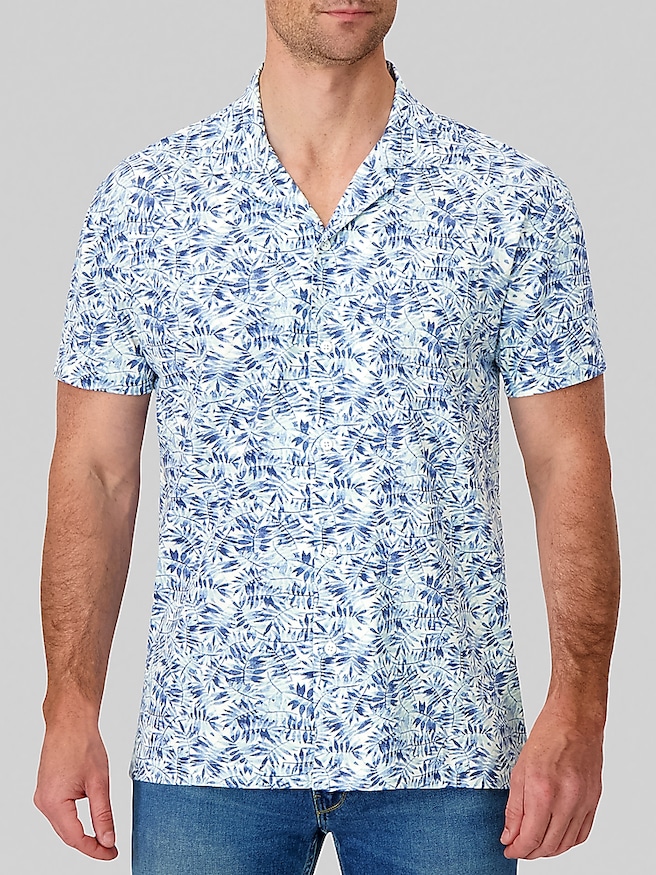
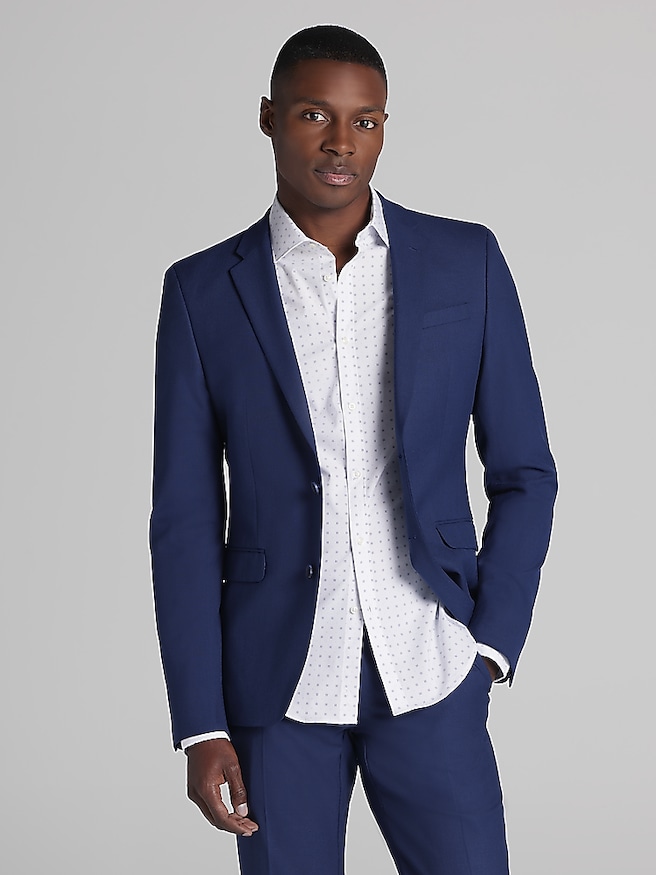
A versatile men’s fashion collection can support several distinct approaches to dressing. Smart casual style often starts with the balance of tailored and relaxed pieces: a structured jacket with chinos, a button-down with dark denim, or clean footwear paired with a simple knit. The goal is to look prepared while retaining ease, making this approach practical for offices with flexible dress codes, dinners, travel, and gatherings where a full suit would feel too formal. Streetwear takes a more relaxed direction, using comfortable silhouettes, denim, hooded layers, and graphic elements to create outfits with personality. Proportion becomes especially important here; a roomier top can work well with a cleaner lower half, while a looser trouser can be balanced by a more defined outer layer. Classic tailoring remains a dependable choice for ceremonies, interviews, celebrations, and professional occasions. A navy or charcoal suit creates a timeless foundation, while the shirt, tie, shoes, and pocket details can shift the mood from traditional to contemporary. When building an outfit, consider where it will be worn, how much movement it needs, and whether the pieces can be styled separately. A jacket that works with matching trousers can also bring polish to jeans, and a dress shirt can transition from formal attire to a more relaxed look when worn open beneath a sweater or casual jacket. Men shopping for warm-weather occasions can also explore Men's Tropical Fashion for breezier color, pattern, and fabric inspiration that can add a vacation-ready note to a broader wardrobe.
Men’s fashion can also make a thoughtful gift when the selection reflects the recipient’s routine and sense of style. For someone starting a new job, versatile neutral layers and refined essentials can help create confidence on the first morning and remain useful long after the initial occasion. A man who travels frequently may appreciate clothing that resists wrinkles, layers comfortably, and coordinates across several outfits, reducing the need to overpack. For a college graduate, a first professional wardrobe, or a milestone celebration, classic tailoring and smart casual staples offer a practical foundation that can grow with changing responsibilities. If choosing for someone else, pay attention to the colors and silhouettes he already wears, along with the setting where he spends most of his time. When exact sizing is uncertain, compare measurements with a garment he owns rather than relying only on a general size label, and keep the intended fit in mind: contemporary cuts sit closer to the body, while relaxed fits provide more room through the chest, waist, and leg. Accessories and finishing details can also make an outfit feel complete, but the most successful choices are those that support what is already in the closet. Whether the aim is a dependable everyday rotation, a sharper look for cooler-season gatherings, or a more expressive weekend wardrobe, the best men’s fashion choices combine comfort, fit, versatility, and a clear sense of occasion.