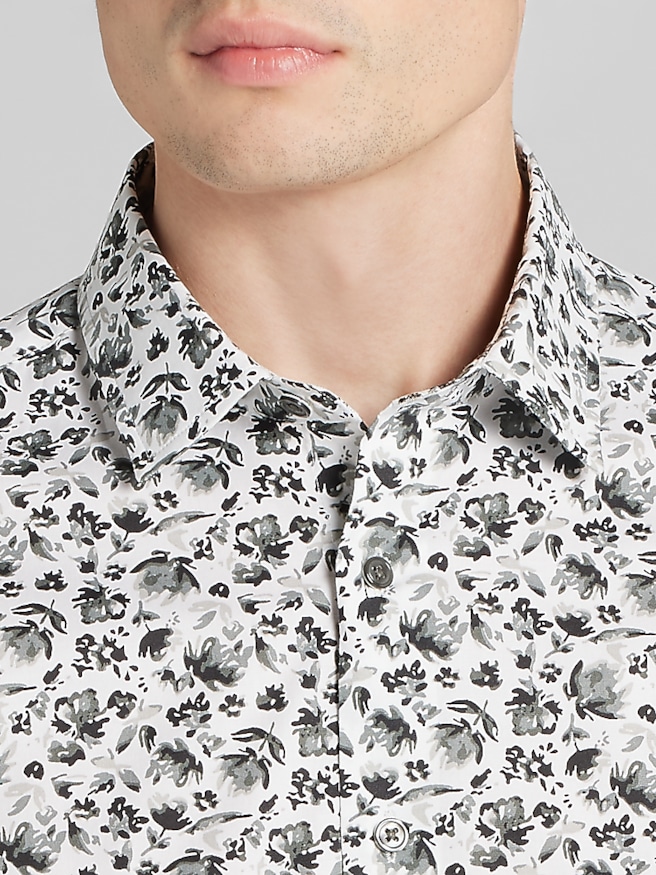
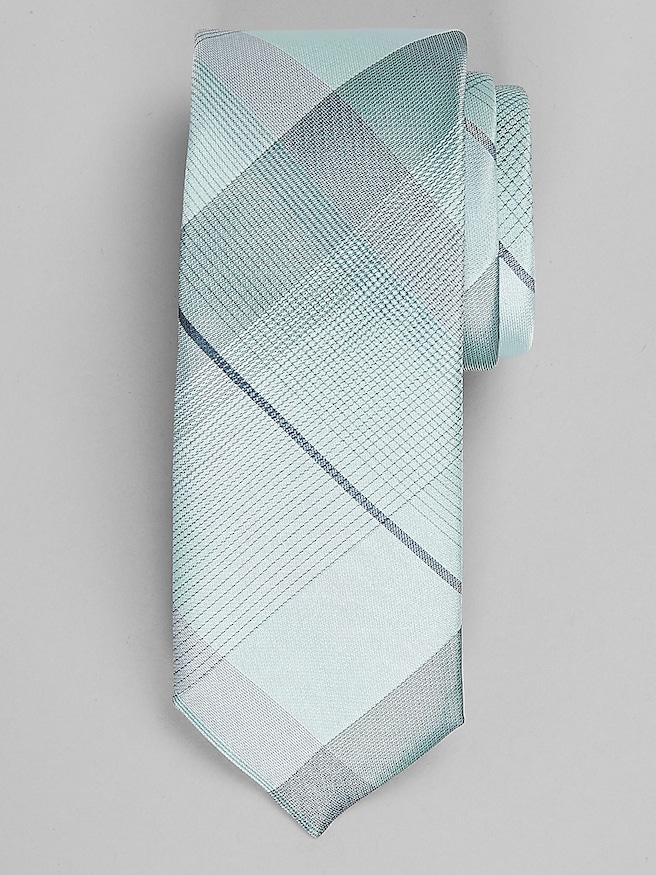
Men's high fashion combines precision tailoring, refined materials, and distinctive design to give clothing a clear point of view. Its appeal lies in the relationship between shape, texture, and proportion: a sculpted shoulder, an expressive lapel, or an exceptionally clean trouser line can make familiar menswear feel individual. The result does not have to be theatrical. A restrained outfit with beautiful fabric and deliberate proportions can feel just as distinctive as one built around bold pattern or an unconventional silhouette. Tailoring supplies much of that character. Structured jackets create definition through the chest and shoulders, while softer construction allows a more fluid outline. Straight, tapered, and fuller trouser shapes each establish a different balance, especially when paired with jackets of varying lengths. Fit gives those design choices their intended effect. A shoulder seam that sits correctly, a collar that rests close to the neck, and trousers that fall smoothly help clothing look composed rather than forced. A close silhouette still needs enough room for sitting, reaching, and walking; a relaxed silhouette benefits from controlled length and an intentional drape. These distinctions matter whether the setting is a gallery opening, a wedding reception, a business dinner, or an evening at the theater. Clothing that feels appropriate to the room while expressing personal taste often makes the strongest impression. A dark tonal outfit can emphasize texture and line, while a contrasting layer brings attention to the face and upper body. Small details, such as the width of a lapel or the amount of shirt cuff visible beneath a sleeve, influence the overall impression without demanding attention individually. High fashion works best as a coherent visual language, with each element contributing to the same mood. For men who enjoy getting dressed, that balance offers room for experimentation without sacrificing the confidence of a well-proportioned outfit.
Materials contribute as much to that impression as the cut itself. Wool is valued in tailored clothing for its resilience, drape, and ability to form a smooth silhouette, although the feel and performance vary with the weave, yarn, and fabric weight. Fine, smooth cloth creates a crisp surface, while textured weaves add visual depth even in a single color. Cotton can bring a matte finish and a more relaxed character, and linen has a distinctive texture with natural creasing that becomes part of its appearance. Silk introduces luster and fluidity, particularly in accents, while blends can combine qualities such as softness, shape retention, or stretch. Fiber content alone does not determine quality; fabric construction, finishing, and garment construction also influence how clothing feels and wears. A fine fabric may feel exceptionally soft yet require more careful handling than a sturdier weave. Durability depends on the intended use as well. Clothing worn through a full workday faces different demands from clothing reserved for an occasional formal event. Neat stitching, secure buttons, smoothly finished seams, and lining that allows comfortable movement are useful signs of considered construction. Areas subject to repeated friction, including cuffs, pocket edges, and trouser seats, deserve particular attention over time. Proper fit also supports longevity by reducing unnecessary strain across closures and seams. Care requirements belong in the same conversation as appearance: some garments need professional cleaning, while others permit washing according to their care labels. Structured clothing generally benefits from supportive hangers, room to breathe between wears, and storage that avoids crushing its shape. Knitwear often keeps its proportions better when folded rather than suspended. Gentle maintenance and prompt attention to small repairs help preserve the details that make refined clothing distinctive. These practical qualities allow an expressive wardrobe to remain wearable, rather than becoming clothing admired on a hanger but rarely enjoyed in daily life. Comfort, construction, and visual character are strongest when considered together.
Personal style determines how these elements come together across different occasions. Someone whose week includes client meetings may favor controlled proportions and subtle texture, with more expressive details appearing after work. For a creative professional attending an opening or presentation, a pronounced silhouette or unexpected color combination can feel entirely appropriate. Formal celebrations call for attention to the stated dress code, but there is often room for individuality through fabric, proportion, and carefully judged accessories. The distinction between polished and overdressed frequently comes down to context, not simply the number of tailored pieces in an outfit. A softly constructed layer can make a tailored look feel approachable, while a crisp shirt and refined footwear create a sharper finish. Accessories are most effective when their scale and texture support the clothing: a narrow detail can disappear against a substantial silhouette, while several competing focal points can obscure an otherwise strong outfit. Color offers another way to build continuity. Closely related shades create a long, uninterrupted line, and a single contrasting element can bring definition without overwhelming the whole. The expressive color and relaxed proportions associated with Men's Tropical Fashion offer another direction for a wardrobe grounded in individual taste. High-fashion clothing can also make a thoughtful gift for a partner, relative, graduate, or friend who appreciates design, particularly when the recipient's measurements and preferences are already familiar. Personal comfort matters as much as appearance; someone who enjoys understated dressing may connect more readily with a distinctive texture than a dramatic pattern. For any wearer, the most convincing choices feel natural in motion and consistent with the way life is actually lived. Clothing should allow a comfortable seat at dinner, an easy handshake, and an unselfconscious walk into a room. That combination of expressive design and everyday ease gives men's high fashion its lasting appeal: recognizable craftsmanship, intentional proportions, and enough personality to feel unmistakably personal.