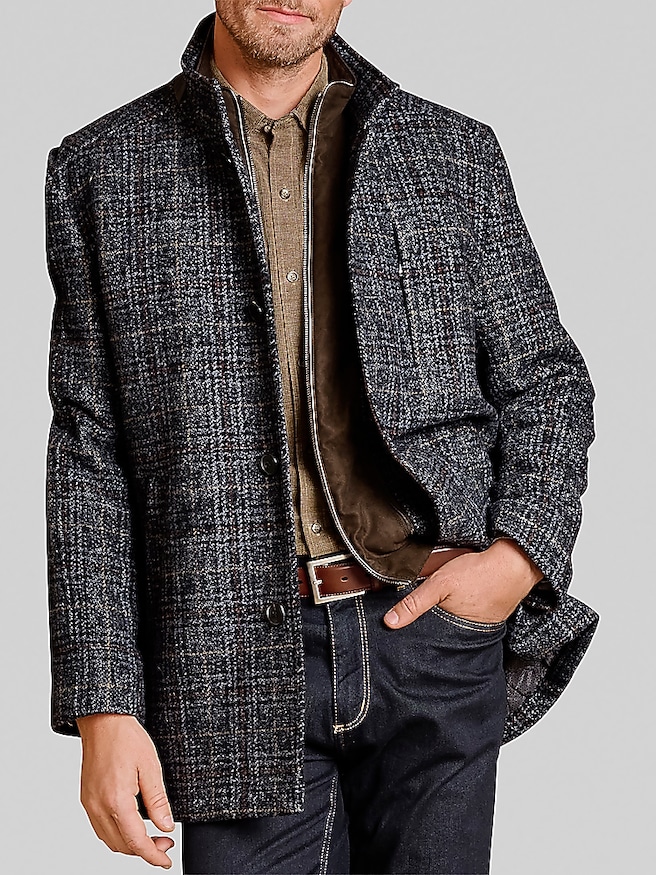
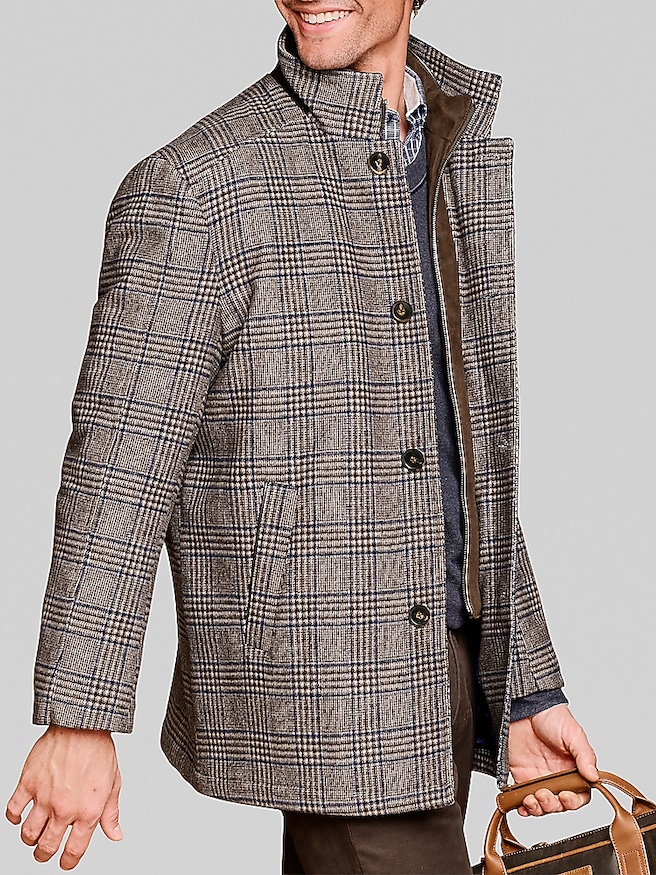
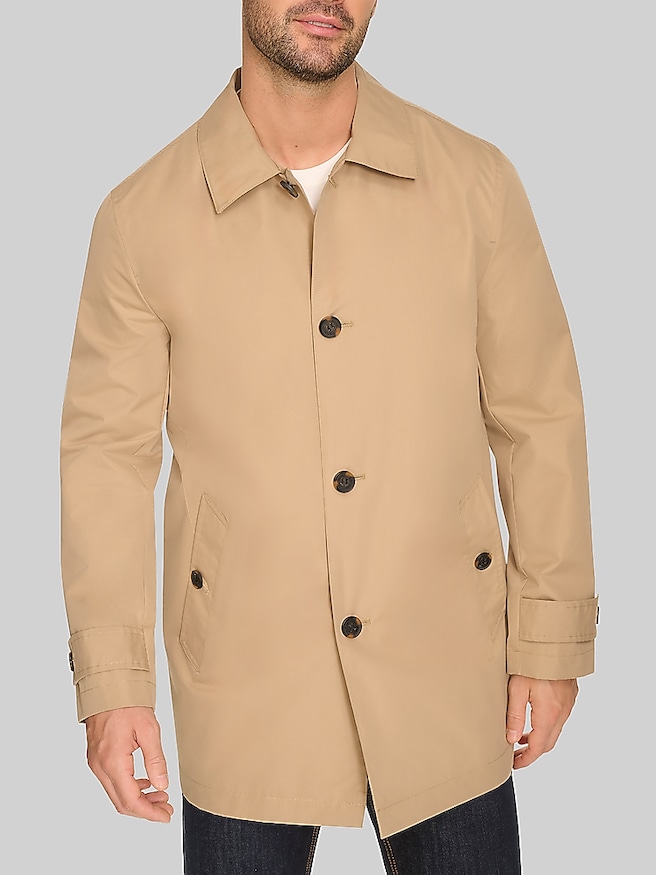
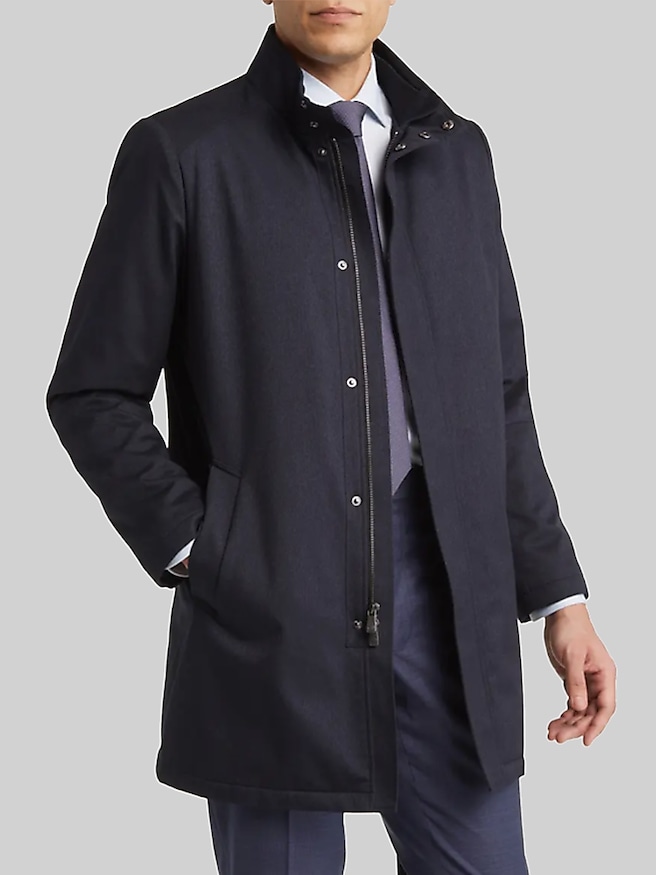
Leather coats bring a distinctive mix of substance, texture, and ease to a cool-weather wardrobe. The appeal is as much about how the material changes with wear as how it looks on the first outing: a soft crease at the elbow, a little more flexibility through the shoulders, and a surface that gradually reflects everyday use. For men who move between office hours, evening plans, and weekends away, leather outerwear can bridge the space between a casual jacket and a tailored wool coat. A clean, understated shape sits comfortably over a fine-gauge sweater and dress trousers, while a more relaxed silhouette works with denim, sturdy boots, and a textured knit. Black leather creates a crisp outline and pairs naturally with charcoal, gray, and deep blue; brown shades bring warmth to cream, olive, and indigo. The surface finish matters, too. Smooth leather generally looks more polished, while a pebbled texture or softly weathered finish adds visual depth without needing much decoration. Material descriptions deserve close attention because leather is not one uniform fabric. Lambskin is typically supple and relatively light, making it comfortable for occasions that call for easy movement and a softer drape. Cowhide often has a more substantial feel, though its weight and flexibility depend on how it has been processed. Full-grain leather preserves the hide’s natural grain, including subtle markings, while top-grain leather has been refined for a more consistent surface. Neither term alone tells the whole story; construction, finish, and care all influence how a coat wears over time. Suede offers a velvety alternative, but its nap calls for particular attention around moisture and stains. For someone heading from a neighborhood coffee stop to a relaxed dinner, these distinctions shape both the look and the practicality of the coat. The most useful choice is one that suits the wearer’s routine, not simply the one with the boldest silhouette.
Fit determines whether that appealing texture translates into a coat that feels good throughout the day. Shoulder seams should generally sit close to the natural shoulder line unless the design intentionally uses a dropped or relaxed shape. Across the chest and upper back, there should be enough room to reach forward, fasten the front, and sit comfortably without pronounced pulling. Leather may soften with wear, but a coat that feels restrictive at the outset should not be expected to stretch into the correct size. Trying it over the kind of layer worn most often gives a much clearer picture than checking the fit over a thin shirt alone. A substantial sweater takes up space through the upper arms and torso, while a tailored jacket adds structure at the shoulders. If the coat will cover tailoring, its hem should work with the jacket beneath it rather than leaving an awkward strip exposed. Longer cuts provide more coverage when walking outdoors, while shorter lengths can feel less cumbersome during a commute that involves frequent sitting. Sleeve length also affects comfort: coverage should reach the wrist without swallowing the hand, with enough ease to bend the elbow naturally. Details that seem minor on a hanger become noticeable in daily use. A collar that rests smoothly against the neck is welcome with a scarf, accessible pockets make cold hands easier to manage, and a front closure should operate without catching the lining. Lining and insulation deserve their own consideration. A smooth lining helps the coat slide over knitwear, while added insulation can make a meaningful difference during colder outings. Leather alone does not guarantee deep-winter warmth, and a heavier hide is not a substitute for insulation suited to the weather. Shoppers comparing the feel of leather with other refined outerwear materials can also explore Luxury Men's Coats as part of building a wardrobe for cooler conditions. The goal is a comfortable balance of coverage, mobility, and proportion, whether the day involves a brisk walk to the office or an evening spent moving between indoor gathering spaces.
A well-made leather coat can become a familiar part of that routine for years, but durability depends on more than the hide itself. Even stitching, secure closures, neatly finished seams, and a lining that allows movement all contribute to lasting wear. Areas that see repeated stress, such as pocket openings and the points where sleeves join the body, warrant a close look. Over time, some leathers develop a patina, with gentle shifts in color and sheen that give the surface character. That aging process is distinct from damage caused by excessive dryness, soaked leather, or harsh cleaning methods. Care should begin with the garment label and any instructions specific to its finish. For many smooth leathers, light surface dust can be lifted with a soft, dry cloth, while conditioning should be done only with a suitable product and at the recommended frequency. Testing any treatment on a concealed area helps reveal possible changes in color or texture before a larger section is affected. Suede requires tools and treatments intended for its nap rather than the same approach used on smooth leather. After unexpected moisture exposure, let the coat dry naturally away from radiators, hair dryers, and direct sunlight; concentrated heat can leave leather stiff or misshapen. A broad, supportive hanger helps preserve the shoulders, and breathable storage keeps the garment from being compressed for long periods. Professional cleaning by a leather specialist is the safer route for stubborn marks or a thorough refresh. These practical considerations also matter when choosing leather outerwear as a gift for a spouse, partner, father, brother, or close friend. Knowing the recipient’s usual coat size is helpful, but so is noticing whether he prefers a trim outline or room for substantial layers, polished shoes or rugged boots, understated finishes or visible texture. A coat chosen around those everyday preferences feels personal without needing elaborate details. Its value in a wardrobe comes from being comfortable to reach for, easy to combine with familiar clothing, and suited to the places its wearer actually goes.