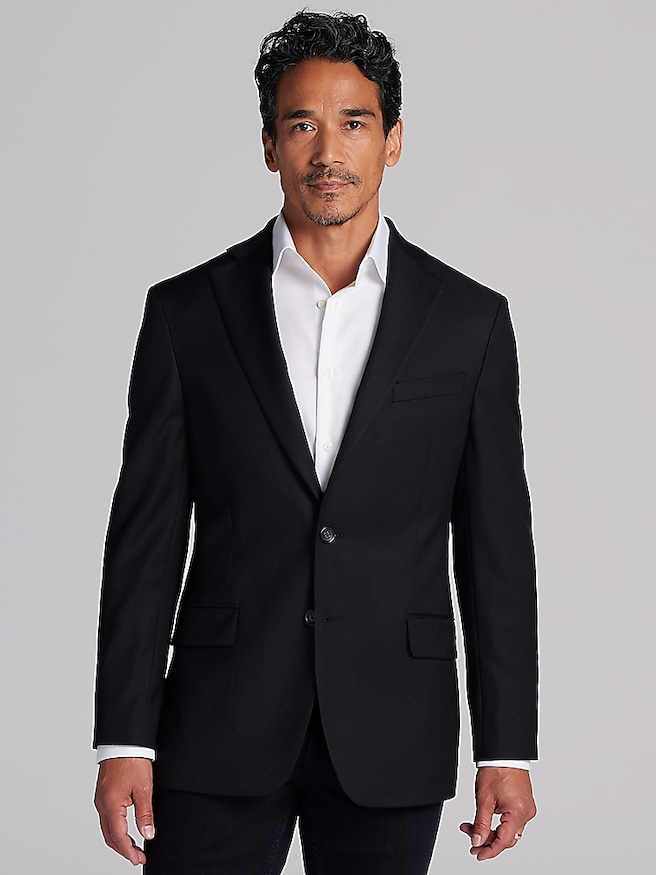
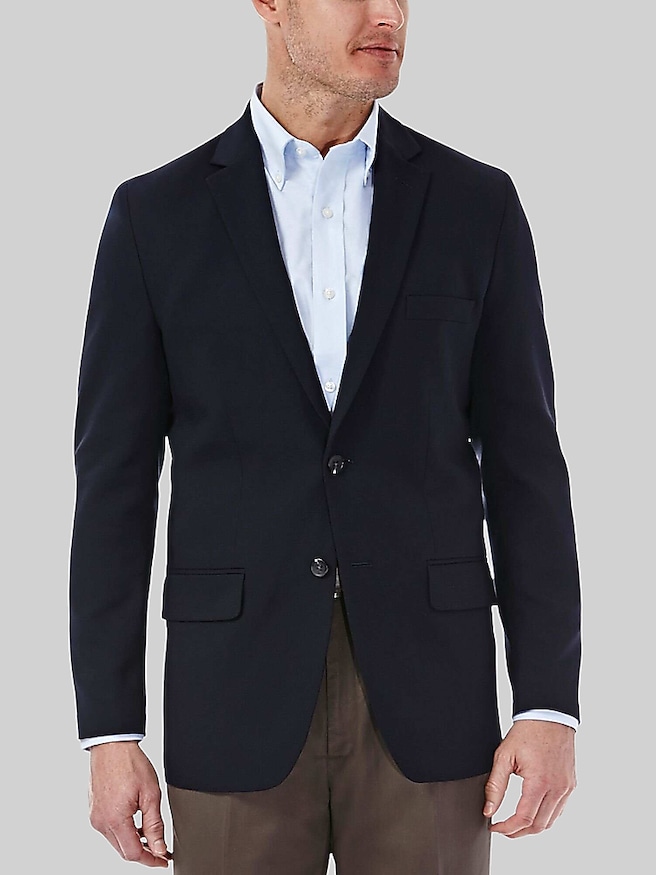
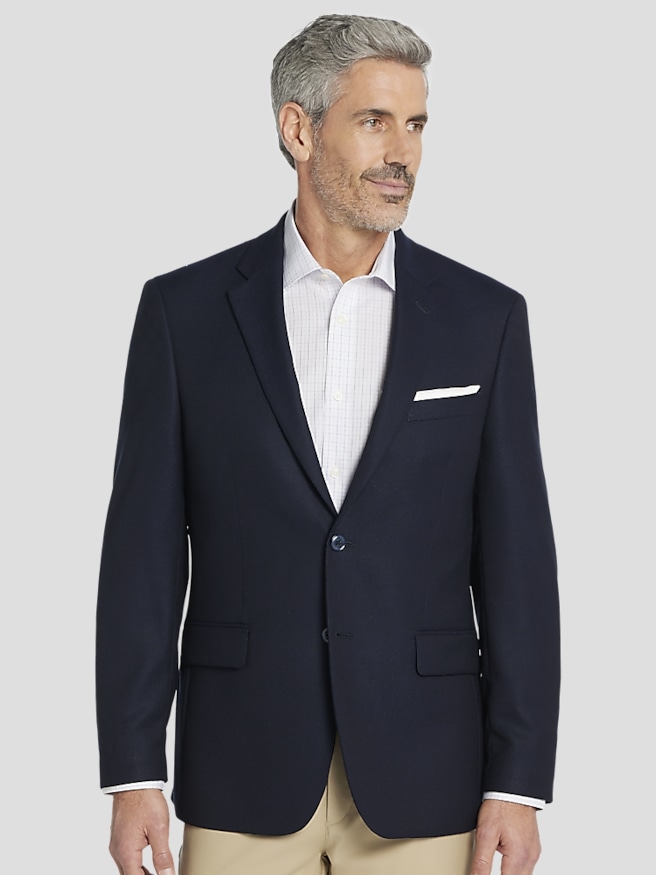
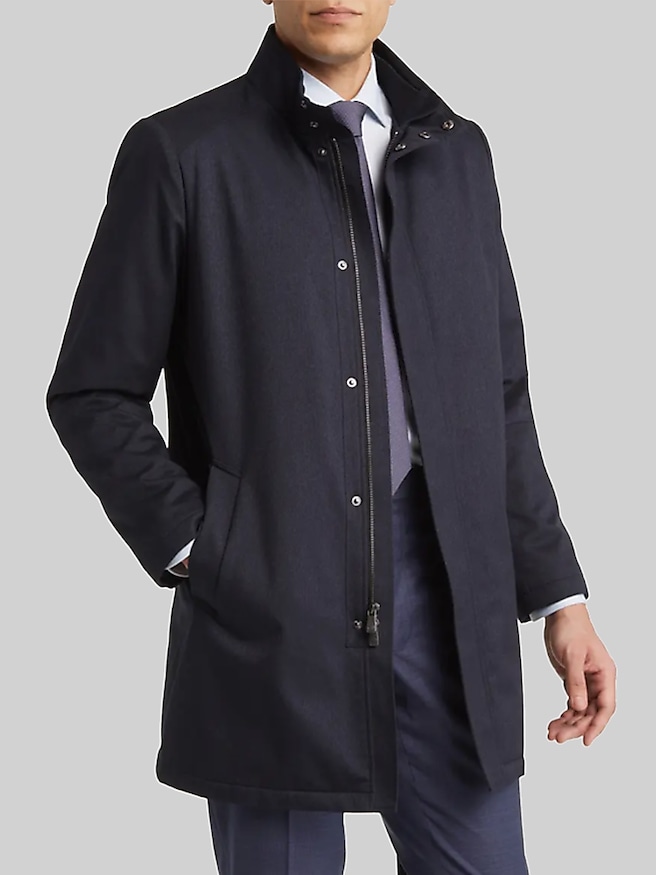
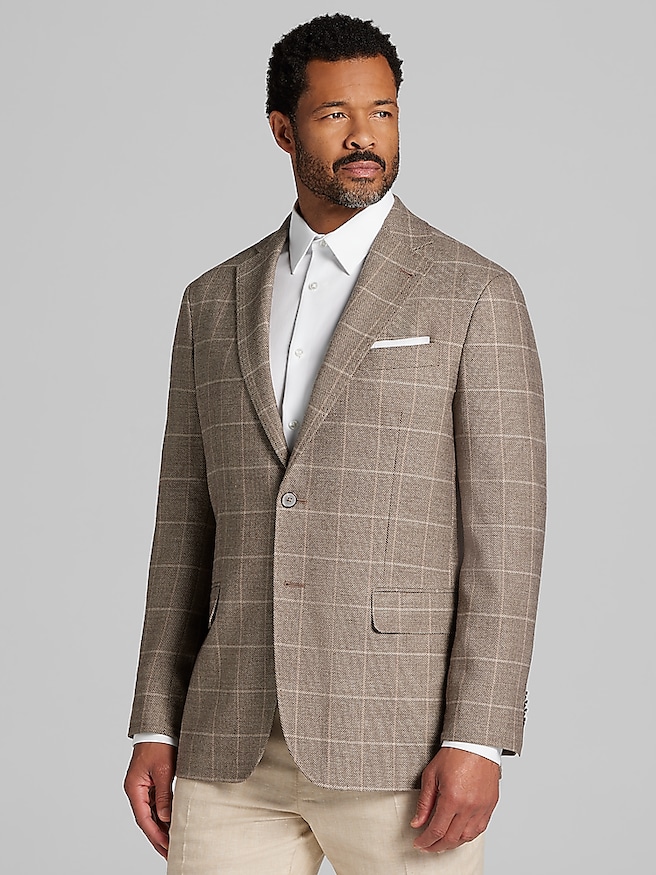
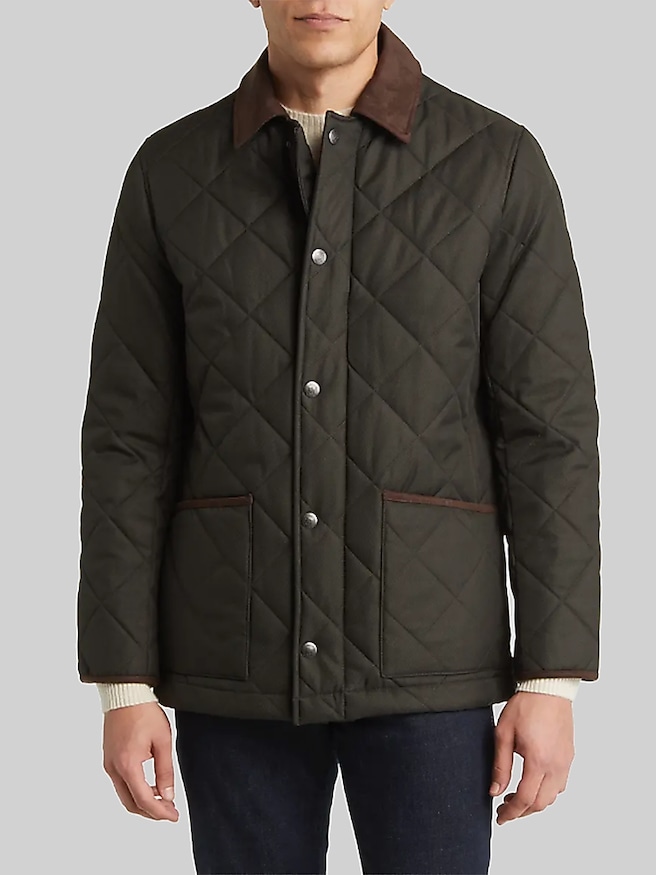
Modern coats bring a clean, considered finish to men’s outerwear, combining practical coverage with proportions that work over both tailored clothing and everyday layers. Their defining features are often subtle: a shoulder that sits neatly, a collar that frames the face without excess bulk, and a front that looks balanced whether buttoned or worn open. Rather than depending on a single trend, modern coat design updates familiar shapes through streamlined seams, restrained detailing, and fabrics with appealing texture. A long, tailored silhouette can complement a suit on the way to the office, while a shorter, less structured shape feels natural with knitwear, chinos, or dark denim. Notched lapels create a familiar connection to tailoring; a stand collar or funnel neck gives the neckline a more enclosed appearance and can provide additional coverage when fastened. Double-breasted fronts introduce overlapping fabric and a stronger visual presence, while single-breasted designs tend to have a simpler profile. Material plays an equally important role in how a coat looks and performs. Wool offers natural resilience, warmth, and a substantial drape, making it a familiar choice for polished outerwear. Wool blended with cashmere can add softness, though the feel and performance depend on the full fabric composition and construction. Blends containing synthetic fibers may contribute abrasion resistance or help a fabric hold its shape, with results varying by weave and finish. Smooth woven surfaces look crisp over dress clothing, while brushed textures and subtle patterns add depth to understated outfits. Tightly woven shells and protective finishes can offer resistance to light moisture, but water-resistant fabric is not the same as waterproof construction. Linings, insulation, closures, and fabric weight all affect comfort, so warmth cannot be judged by fiber content alone. The strongest connection between these details is purpose: a modern coat should look intentional while supporting the way its wearer travels, dresses, and moves through the day.
Fit gives those design details their final shape. A coat worn over a suit jacket needs enough room through the shoulders, upper arms, and chest to accommodate the layer underneath without pulling across the back. The same coat may feel unnecessarily roomy over a thin shirt, which is why intended use matters more than a size label alone. A modern silhouette can be trim, straight, or relaxed; the common thread is a balanced outline rather than a universally close fit. Shoulder seams should sit where the design intends, sleeves should allow comfortable arm movement, and the front should close without buttons straining or lapels bowing outward. For a more defined outline, Structured Coats offer a related direction, with emphasis on shape through the shoulders and body. Coat length also changes the impression of an outfit. A hem that covers a suit jacket creates a continuous, polished line, while longer lengths add coverage and a more pronounced drape. Shorter coats can feel less cumbersome when getting into a car or moving between indoor spaces, provided they suit the layers beneath them. Back vents and thoughtfully placed seams can make walking and sitting more comfortable, especially in longer silhouettes. These details become noticeable in ordinary moments: reaching for an overhead handhold on a train, carrying a briefcase, or sitting through a commute with the coat fastened. Pocket placement matters, too. Hand pockets should be easy to reach, while interior pockets can keep small essentials close without interrupting the outer line. Overfilled pockets can distort even a well-shaped coat. Color offers another way to balance personality with versatility. Charcoal, navy, black, and earthy neutrals can work across many combinations, while a quiet herringbone or heathered finish adds interest without competing with a patterned scarf or suit. A cohesive result does not require exact matching; differences in shade and texture often give an outfit more depth than identical fabrics worn from collar to hem.
Durability comes from the relationship between fabric, construction, fit, and care. A substantial cloth can still lose its shape if repeatedly stretched over bulky layers, while a lighter fabric may serve well when used for its intended purpose. Neat seams, secure buttons, a stable lining, and closures that operate smoothly are useful signs of careful construction. Areas that receive frequent friction, including cuffs, pocket openings, and the inside of the collar, deserve particular attention because daily contact tends to show there first. Wool and cashmere surfaces may develop pilling where fibers rub together; gentle maintenance with a tool appropriate for the fabric can help preserve a tidy appearance. Care instructions should always follow the garment label, especially for blended fabrics, bonded layers, and finishes designed to resist moisture. Some coats require professional cleaning, while others permit specific washing methods, and those approaches are not interchangeable. Between cleanings, a soft garment brush can lift surface dust from suitable wool fabrics, and airing a coat in a well-ventilated space can help freshen it. A broad, supportive hanger helps maintain the shoulders, while enough space around the garment reduces crushing. If a coat becomes damp, allowing it to dry naturally away from direct heat helps protect its shape and finish. Clean, fully dry storage is especially important before a coat is put away for an extended period. These practical details support the reasons people choose modern coats in the first place: a composed appearance for work, comfortable coverage for travel, or an outer layer that feels appropriate arriving at a restaurant or evening event. A coat can also make a thoughtful gift for someone starting a new job, building a more tailored wardrobe, or replacing a well-used favorite. Familiarity with the recipient’s usual layers, preferred length, and care habits makes that choice more personal. The most useful modern coat is one whose shape, fabric, and everyday function feel equally well considered.