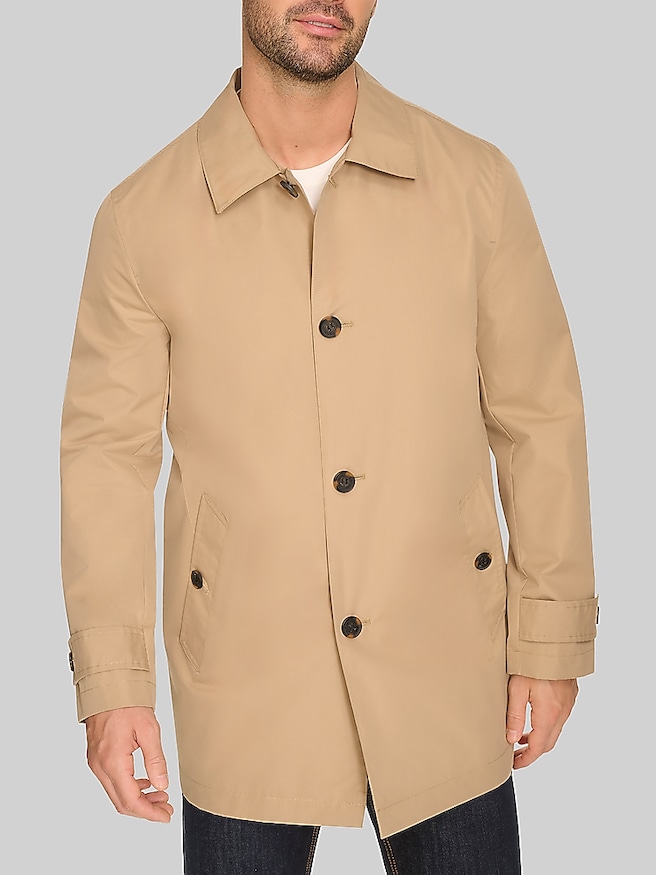
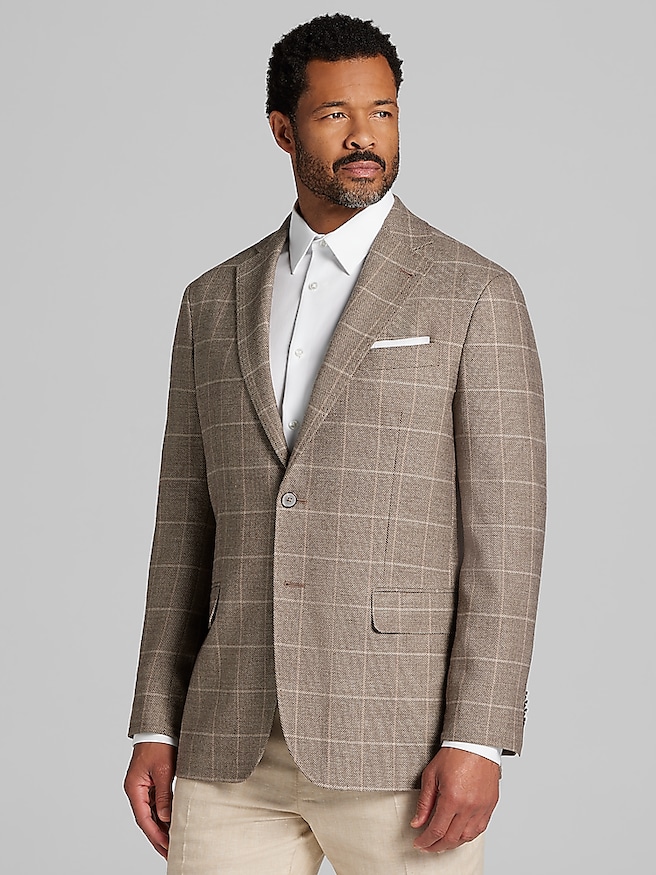
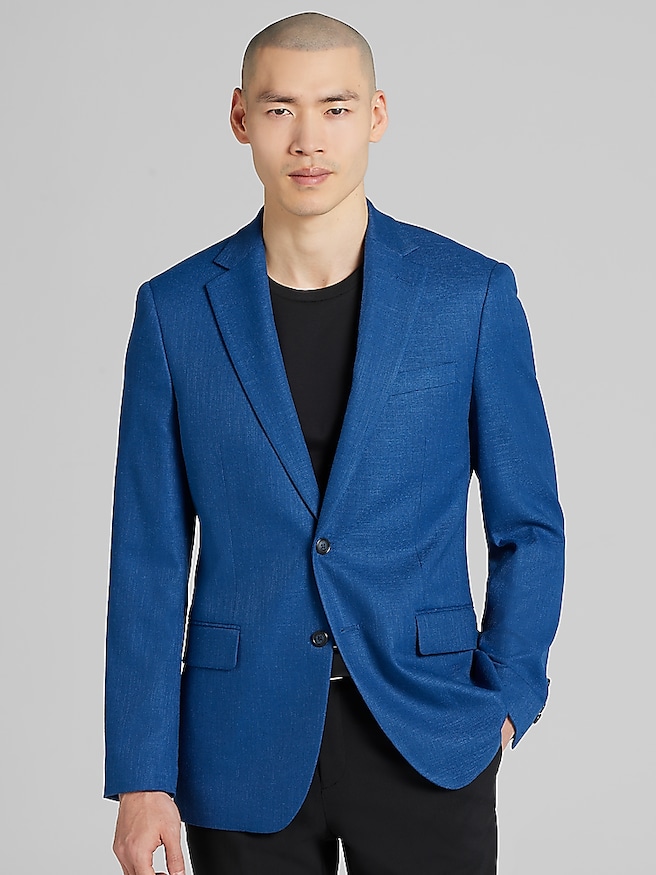
Quality coats combine fabric, construction, and fit in a layer that feels comfortable in motion and looks composed over the clothing beneath it. A good coat should do more than make a strong first impression: it should suit the places it will be worn, hold its shape through regular use, and provide the coverage its wearer needs. Wool is a traditional choice for tailored outerwear because its crimped fibers help trap insulating air, while the fabric can drape cleanly over a suit or sweater. Cashmere contributes a soft hand and warmth without excessive weight, although a delicate surface may need extra attention where a shoulder bag or seat belt creates friction. Wool blends can balance softness, structure, and resistance to abrasion; the fiber percentages matter, but so do the weave, fabric density, and finishing. A tightly woven cloth may block drafts more effectively than a loosely woven fabric of similar weight. Cotton outerwear offers another feel, with some treated finishes helping moisture bead on the surface. Synthetic fabrics and insulation also have practical roles, particularly when low weight, easier maintenance, or performance in damp conditions is important. No single fiber guarantees quality, and a heavy coat is not automatically warmer than a lighter insulated design. Across these materials, thoughtful construction shows up in straight seams, secure buttons, smoothly installed zippers, and pockets reinforced where hands naturally pull against the openings. A lining should sit neatly inside the shell rather than twist or hang below the hem. It also helps a coat slide over sleeves without catching or bunching. Lapels and collars should lie cleanly when the coat is worn, but pressing a lapel is not a reliable way to identify its internal construction. Quality is better understood through the complete garment: how its materials work together, how the seams and closures are finished, and how naturally it settles on the body. These details distinguish a coat that simply looks substantial from one designed to remain useful and comfortable over time.
Fit gives those materials their purpose. A coat worn over business clothing needs room for a jacket through the shoulders, upper arms, and chest without becoming loose and shapeless through the body. The right amount of ease allows the front to close without pulling into an X around the buttons, while the collar rests comfortably near the neck. For set-in sleeves, the shoulder seam generally sits near the natural shoulder; raglan and intentionally relaxed designs follow a different construction and should be judged by their overall drape rather than that seam position alone. Sleeve length also deserves attention because a coat typically provides more coverage than a suit jacket, especially when arms reach forward to hold a steering wheel or carry a briefcase. Sitting, walking, and reaching reveal fit issues that can be easy to miss while standing still. A back vent can make a longer silhouette more comfortable in motion, and adequate sleeve width prevents a knit layer from binding at the elbow. Length changes both appearance and use. A longer overcoat creates a continuous line over tailoring and offers more leg coverage, while a shorter coat can feel less cumbersome when moving between a car, office, and restaurant. For a polished outfit, an outer layer long enough to cover the jacket beneath it keeps the proportions deliberate. The appeal of Designer Coats often comes through in these proportions, along with the character of the fabric and the restraint or distinction of the finishing. Color plays a practical role, too: navy, charcoal, black, and camel can each support a broad wardrobe, though the most useful shade depends on the trousers, shoes, and jackets already worn regularly. A coat for commuting may prioritize accessible pockets and a secure closure, while one worn to evening celebrations may favor a cleaner front and a more defined silhouette. Neither purpose calls for unnecessary bulk; the strongest choice makes sense with the wearer's routine.
Long-term satisfaction also depends on matching the coat's performance and care requirements to everyday habits. A tailored wool coat can be appropriate for cold, mostly dry conditions, but it should not be assumed to provide the rain protection of an outer layer with a waterproof membrane and sealed seams. Water-resistant and waterproof describe different levels of protection, and exposed closures or unsealed stitching can allow moisture through even when the main fabric sheds droplets. Insulated coats likewise vary in warmth according to insulation type, amount, distribution, and protection from wind. Those differences matter to someone waiting on an outdoor train platform far more than they might to someone walking a short distance from a parking garage. Care begins with the garment label, since similar-looking fabrics may require different cleaning methods. Many tailored wool coats benefit from gentle brushing, airing between wears, and professional cleaning when needed rather than frequent treatment by default. A sturdy, broad hanger supports the shoulders, and enough closet space helps prevent crushed lapels and persistent wrinkles. After exposure to moisture, a coat should dry fully in a ventilated area away from direct heat before being stored. Prompt attention to stains, loose buttons, and small lining tears can prevent minor wear from becoming more difficult damage. Surface pilling can occur through friction, especially on softer fabrics, and does not by itself establish that a coat is poorly made; any removal method should be appropriate for the material. Before extended storage, cleaning according to the label and using a breathable garment cover can help preserve the fabric. These practical considerations also make coats thoughtful gifts for a partner, father, son, or someone starting a role that calls for more polished clothing. Familiar measurements, preferred layers, and an understanding of the recipient's daily travel are more useful than choosing by appearance alone. A well-chosen coat earns its place through repeated wear, bringing together comfortable coverage, dependable construction, and a shape that continues to feel right beyond a single occasion.