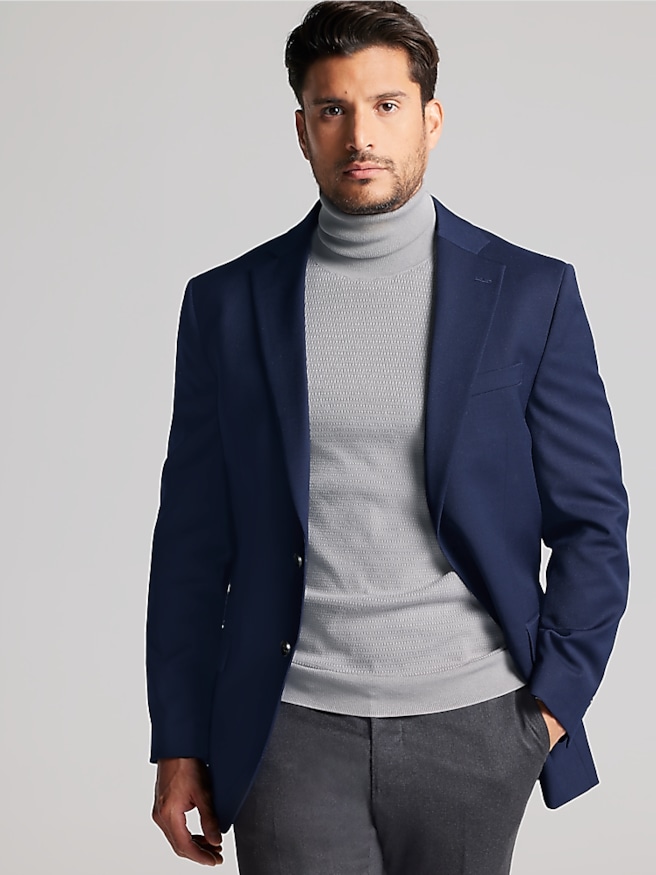
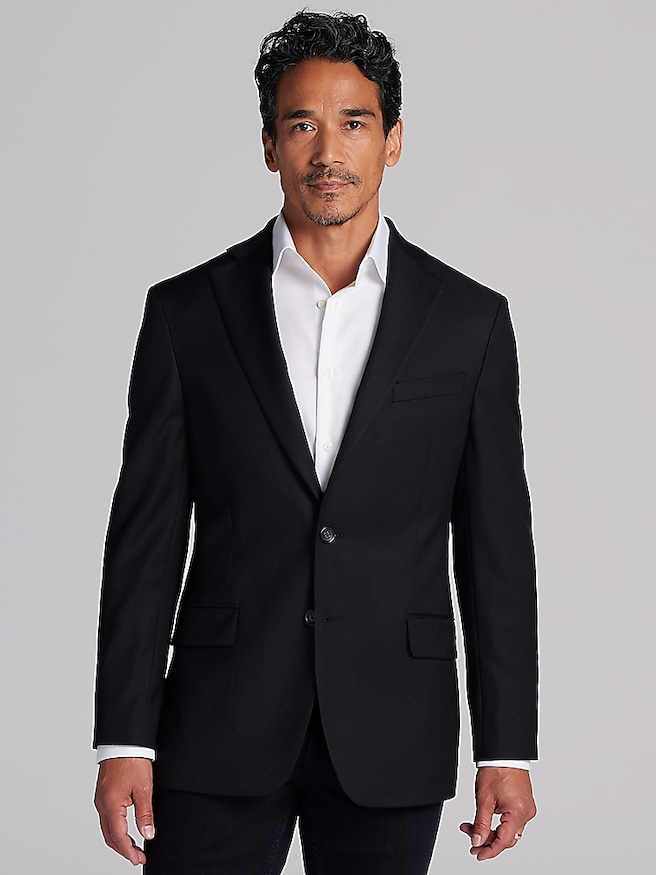
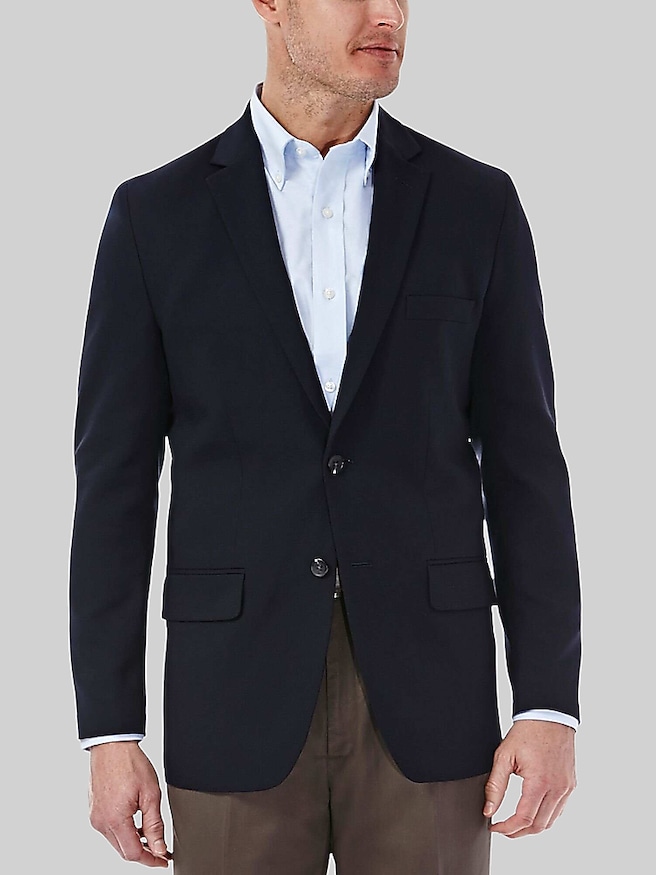
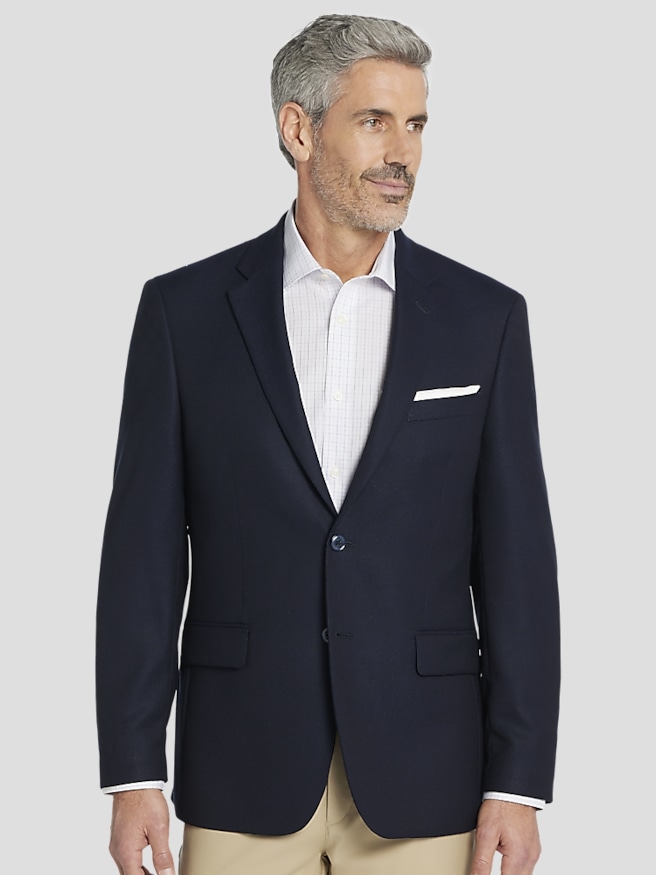
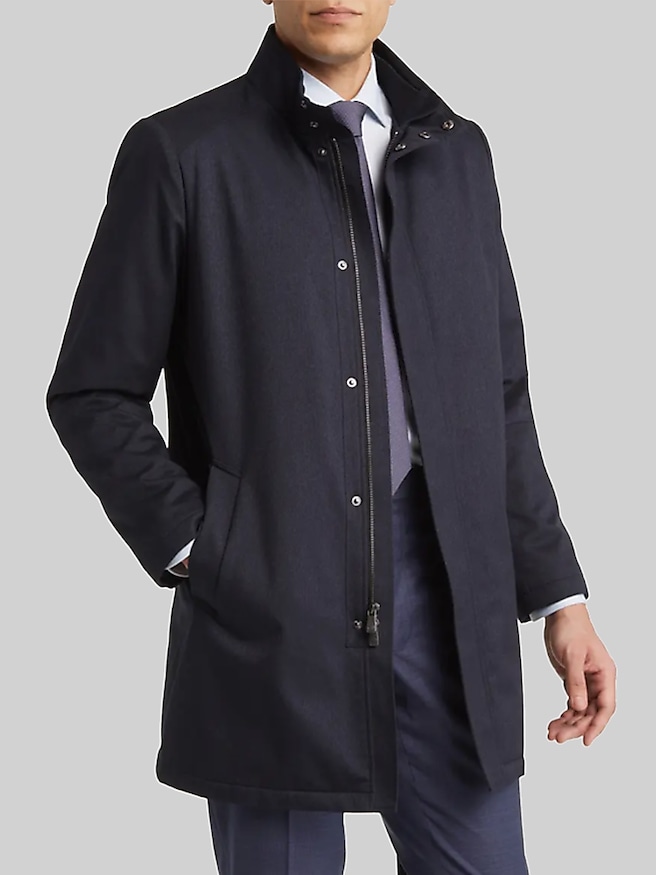
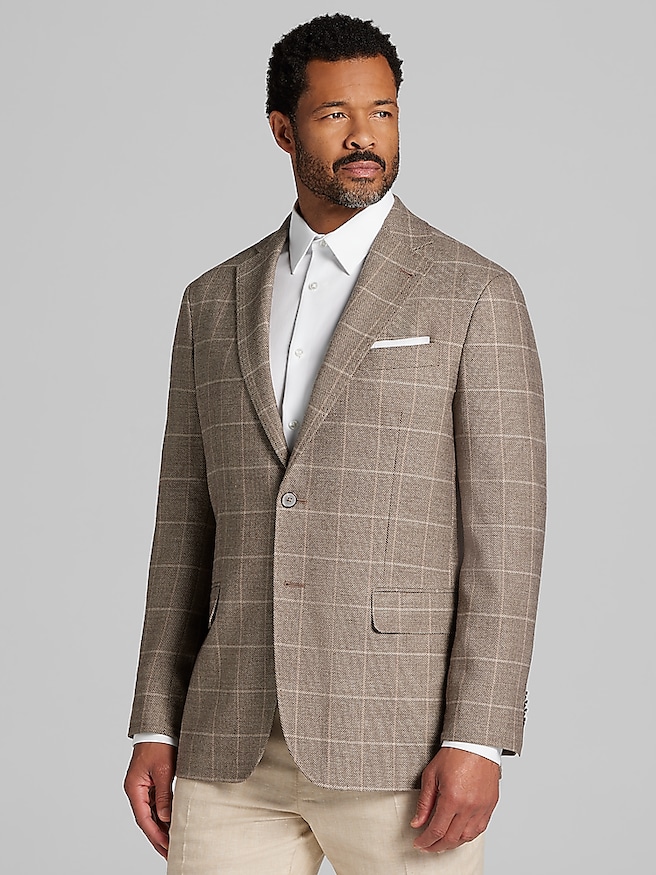
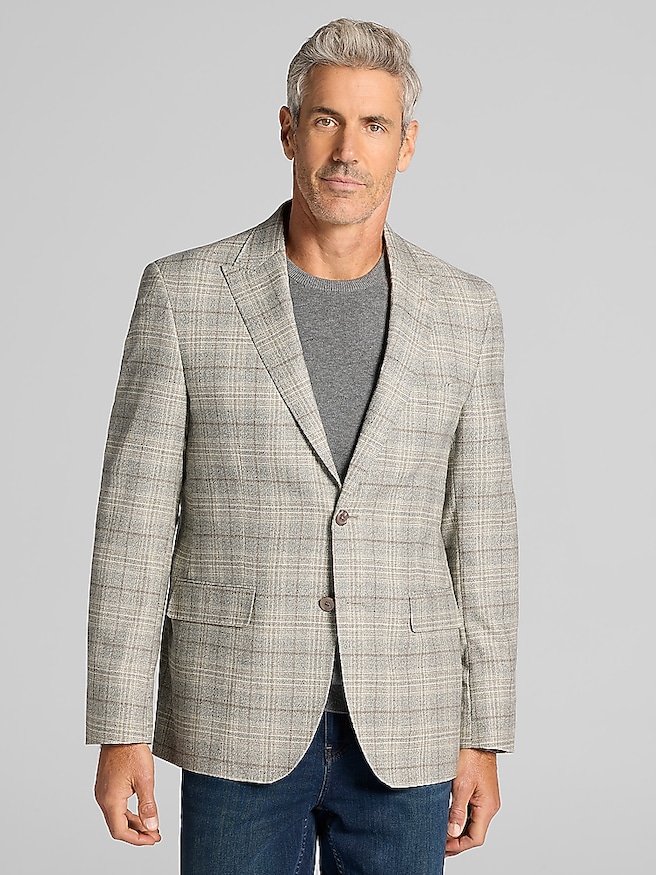
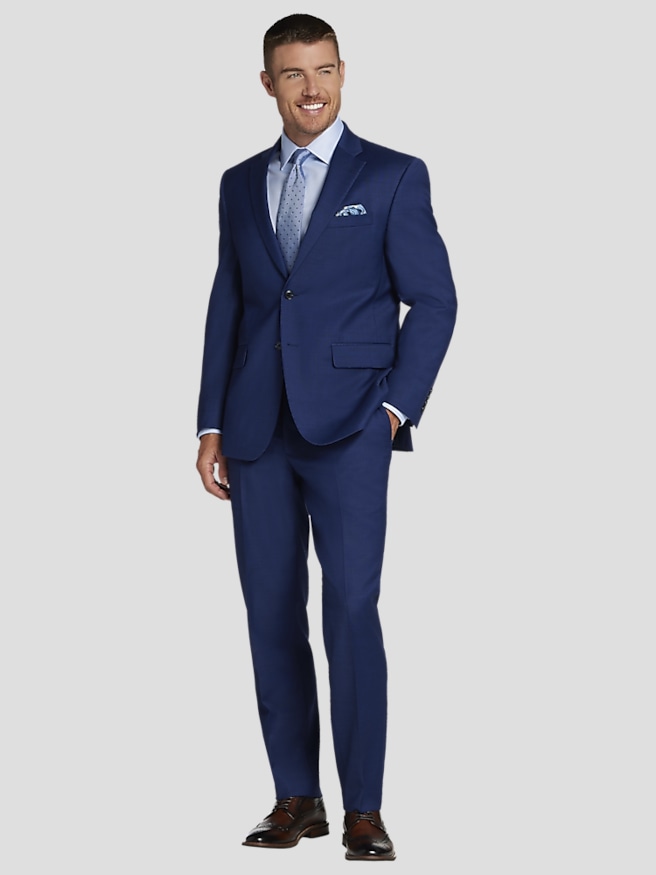
Fashion coats are outerwear designed to contribute to an outfit’s overall style while providing coverage, structure, and comfort. Their character comes from the combination of silhouette, fabric, length, and details: a defined shoulder can sharpen a relaxed outfit, a longer hem can create a clean line over tailoring, and a textured surface can bring depth to otherwise simple clothing. In men’s outerwear, familiar shapes include tailored overcoats, double-breasted peacoats, belted trench coats, and streamlined car coats. Each has a distinct role without being limited to a single dress code. An overcoat with restrained lapels works naturally over a business suit but can also finish a sweater-and-chinos combination. A shorter coat allows easier movement when stepping into a car or taking a seat on a train, while a longer style provides more coverage over a suit jacket. Trench-inspired designs bring recognizable details such as belts, storm flaps, and adjustable cuffs, although those features alone do not establish water resistance. For an office commute, a smooth front and unobtrusive pockets keep the appearance polished; for dinner or a theater visit, a pronounced collar or subtle fabric pattern can add interest without competing with the clothes beneath it. Color also affects how often a coat becomes part of the regular rotation. Navy, charcoal, black, and camel pair readily with many trousers and knitwear, while olive, brown, and muted checks introduce variety without requiring an entirely new wardrobe. The most useful fashion coat often connects the way someone actually dresses with the impression they want to make. A man who wears tailoring throughout the week may prioritize enough length to cover his jacket, while someone whose routine centers on denim and casual shirts may prefer a softer shoulder and an uncomplicated shape. Neither approach requires elaborate styling. A well-proportioned coat, clean shoes, and a visible shirt or sweater neckline can be enough to make an everyday outfit feel considered.
Materials influence a coat’s appearance as much as its performance, so fabric composition deserves attention alongside color and cut. Wool provides insulation and can be woven into surfaces ranging from smooth and compact to visibly textured. Wool blends may incorporate fibers that affect softness, weight, shape retention, or abrasion resistance; the percentage and construction matter more than the word “blend” alone. Cashmere can lend a softer hand, though a delicate surface may call for more mindful handling where a shoulder bag rubs against it. Cotton gabardine is associated with the crisp appearance of traditional trench styles, but protection from rain depends on the fabric’s finish and the garment’s construction. Synthetic fabrics can offer lightness and practical care characteristics, with water resistance varying by treatment, seams, and design. Leather develops creases and surface character with wear, while suede has a soft nap that requires particular attention around moisture and stains. Faux leather offers a similar visual effect through a coated material, with care needs and longevity that depend on its composition. Across these categories, fabric weight is not the only measure of usefulness: a substantial lining, insulated construction, or closely woven shell can change how a coat feels in use. A smooth lining also helps sleeves pass comfortably over a blazer or knitwear rather than catching at the elbows. Construction details become noticeable through repeated wear. Even stitching, securely attached buttons, neatly finished buttonholes, and pockets supported at stress points are useful signs of careful workmanship, though no single feature guarantees durability. A back vent can improve stride in a longer coat, and a collar that sits comfortably against the neck helps the garment look settled rather than stiff. Pocket placement matters, too. Hand pockets should be easy to reach without pulling the front out of shape, and interior pockets can keep small essentials accessible. Overfilling either can distort the silhouette, particularly in softer fabrics. These practical details help distinguish a coat that simply looks appealing on a hanger from one that feels natural throughout a full day.
Fit brings those material and design choices together. A fashion coat should accommodate the clothing it is intended to cover without appearing strained or unnecessarily bulky. Trying it over a suit jacket gives a more useful impression for business wear than trying it over a thin T-shirt; the same principle applies to someone who regularly wears substantial sweaters. In a tailored shape, the shoulder should sit cleanly, the collar should rest near the neck, and the front should close without pronounced pulling across the chest or waist. Reaching forward, sitting down, and bending the arms can reveal restrictions that are easy to miss while standing still. Relaxed and dropped-shoulder designs follow other proportions, so extra room can be intentional rather than a sign of poor fit. Sleeve length should provide appropriate coverage without swallowing the hands, and the hem should work with both the wearer’s height and the layers beneath it. Alterations may refine certain dimensions, but major changes to shoulders or overall balance can be complex. For shoppers drawn to distinctive fabric, finishing, or silhouette, Designer Coats offers a related category to explore with those same fit considerations in mind. Keeping a coat looking good afterward starts with its care label, not a universal cleaning routine. Some fabrics require professional cleaning, while others permit carefully specified washing; leather, suede, and coated materials may need specialized methods. A suitable clothes brush can remove surface debris from many wool fabrics, and a broad, supportive hanger helps preserve shoulder shape. Allowing a damp coat to dry naturally away from direct heat, emptying the pockets after wear, and repairing a loose button promptly can reduce avoidable damage. Clean, dry storage with enough space to prevent crushing protects the garment between uses. A coat can also make a thoughtful gift for a graduate entering a professional setting or someone building a more polished wardrobe. Familiarity with the recipient’s measurements, preferred layers, and daily routine makes that choice more personal and more likely to earn regular wear.