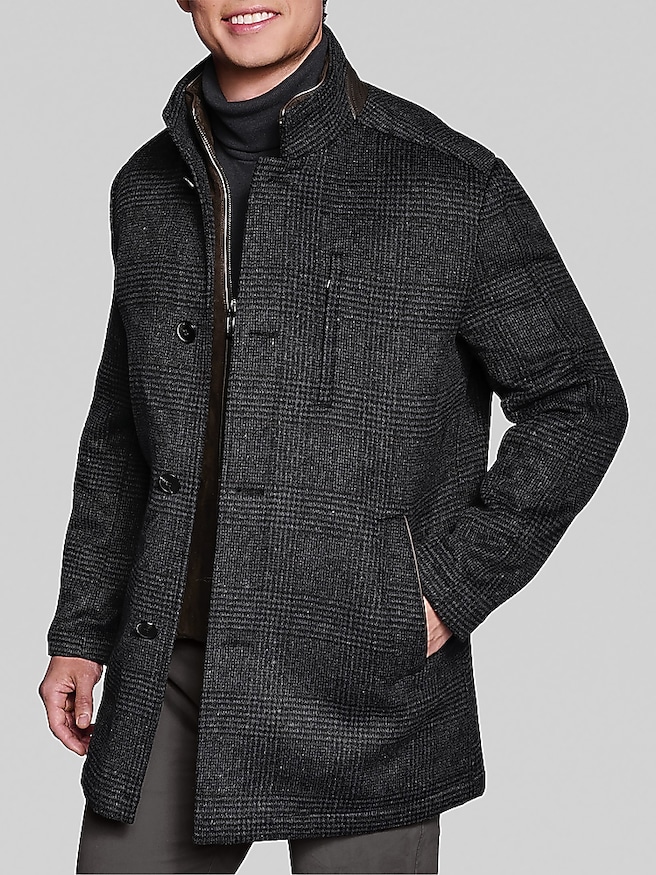
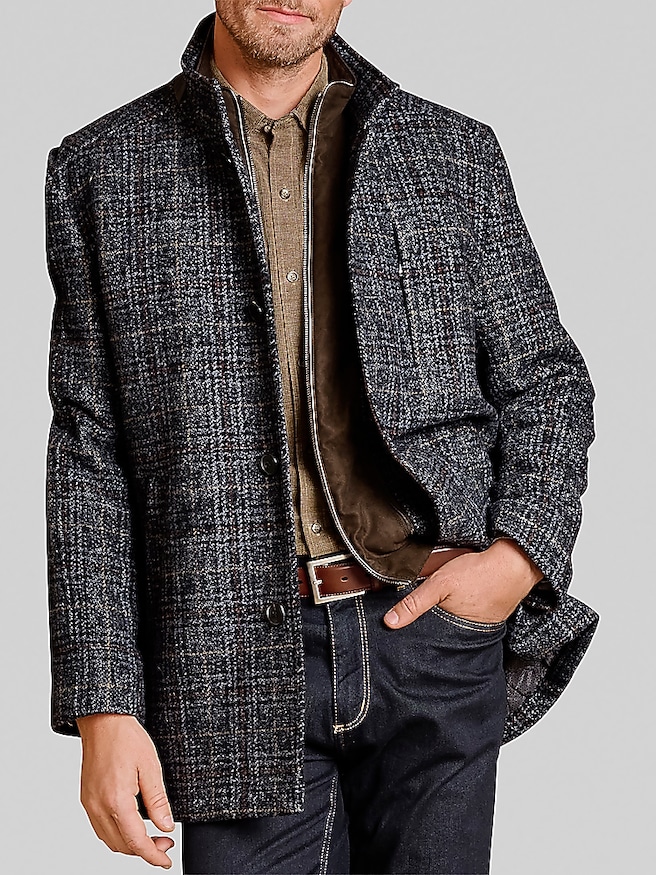
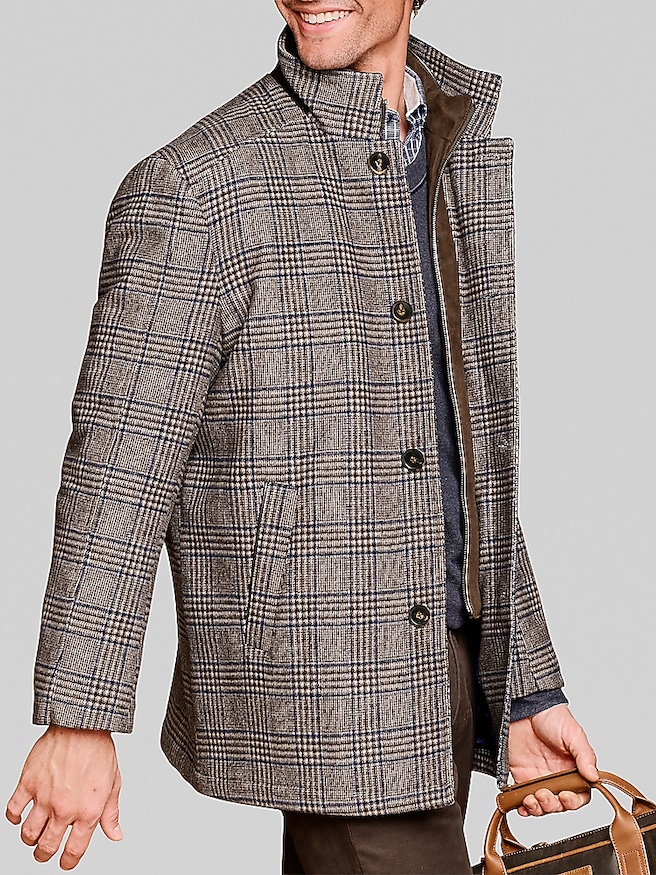
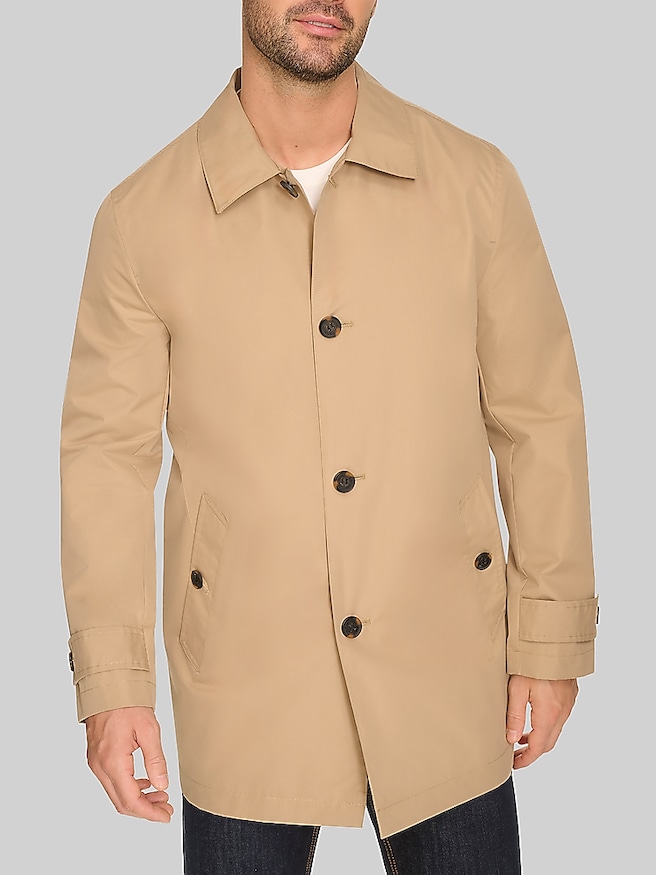
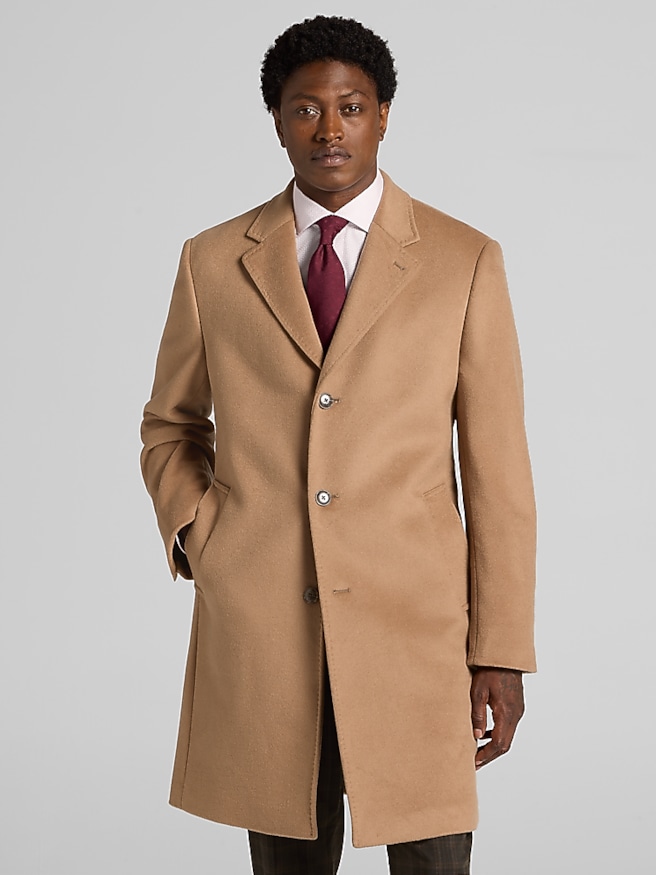
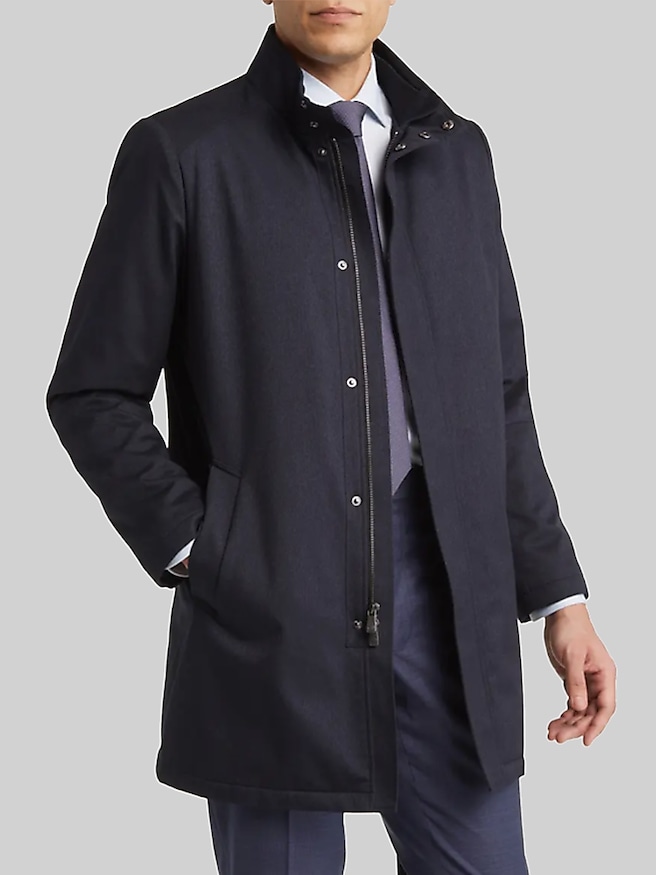
Designer coats are outerwear shaped by a distinct design approach, with attention to silhouette, fabric, proportion, and finishing details. The term describes a design identity rather than a single material or construction method, so the character of a coat comes from more than its label. A sharply defined lapel, a balanced collar, or a subtly textured weave can give a familiar shape a recognizable point of view. Within men’s outerwear, tailored overcoats, streamlined topcoats, and shorter double-breasted styles each create a different impression, from polished and understated to relaxed and expressive. Materials play a large part in how those shapes look and feel. Wool can provide body and a supple drape, while cashmere can contribute a softer touch; the feel and performance of any blend depend on its composition, weave, and finish. Cotton fabrics often have a more structured surface, and synthetic fibers may contribute resilience or help a fabric maintain its shape. A brushed finish softens the appearance of a solid color, whereas a compact, smooth weave emphasizes clean lines. Herringbone, subtle checks, and other woven patterns add depth without necessarily making a coat difficult to coordinate. Inside, a lining can help the garment slide comfortably over a jacket or sweater, and its construction affects how easily the wearer moves. Thoughtful finishing may show up in even stitching, neatly finished seams, secure buttons, and pockets that sit smoothly against the body. Those details matter beyond appearance: a collar that settles neatly and a front that hangs evenly help a coat feel composed throughout the day. Fabric weight also changes the effect, with substantial cloth holding a more defined outline and lighter cloth allowing a softer fall. No single feature establishes quality on its own. The strongest impression comes from fabric, cut, and construction working together, whether the result is a crisp coat worn over business tailoring or an easy silhouette paired with a fine-gauge knit and dark denim. Even small choices, such as the width of a belt or the placement of a back vent, influence how the whole garment reads.
The fit of a designer coat needs to account for what sits underneath it, not just the measurements of the coat itself. A silhouette that looks sleek over a shirt may pull across the upper back when worn over a suit jacket, while an overly generous cut can obscure the shape of an otherwise well-proportioned outfit. For a tailored appearance, the shoulder line generally follows the wearer’s natural frame, with enough room through the chest and upper arms to move without visible strain. Deliberately relaxed designs may extend beyond that line, but the extra volume should look intentional rather than accidental. With the front fastened, lapels should lie comfortably and the fabric should fall without pronounced pulling around the buttons. Reaching for a bag, sitting in a car, and walking up stairs all reveal how well the cut supports ordinary movement. Sleeve length works best in relation to the layers beneath it, and a coat intended for business clothing should comfortably cover the jacket underneath. Length changes both coverage and visual proportion: a longer hem creates an uninterrupted line over tailoring, while a shorter shape can feel less formal with chinos or jeans. A back vent adds ease through the stride, particularly in a close-fitting silhouette. Color and texture help determine how often a coat becomes part of the regular rotation. Navy, charcoal, black, and camel can sit naturally alongside many suit and trouser colors, while a pronounced pattern or distinctive collar can make the outer layer the focus. Designer coats and Fashion Coats can bring personality to simple combinations without requiring elaborate styling. A textured gray coat over navy tailoring has a different presence from the same coat over an oatmeal sweater, even though neither outfit needs much embellishment. For an office commute, dinner reservation, or wedding arrival, the most useful design is one that suits both the occasion and the wearer’s habits. Pocket placement, closure style, and ease of movement often make more difference in daily wear than an eye-catching detail that rarely feels practical.
Care and durability are part of a designer coat’s appeal, especially when the garment is intended to remain in a wardrobe for years. Longevity depends on the fabric and construction, but also on how the coat is worn, stored, and cleaned. A sturdy, appropriately sized hanger supports the shoulders between wears, while space around the garment helps prevent crushed lapels and deep creases. Heavy keys, an overfilled wallet, or a phone pressed into a shallow pocket can distort the outline over time, so pocket use matters as much as pocket design. The care label provides the starting point for cleaning: wool, cashmere blends, cotton, and technical fabrics do not all respond to the same treatment. Some coats require professional cleaning, while others permit specific forms of home care. Following those directions helps protect the surface finish, lining, and internal structure. A suitable garment brush can remove surface lint from fabrics that tolerate brushing, and prompt attention to a loose button or opening seam can keep a small repair from becoming a larger problem. Friction at cuffs, pocket openings, and the points where a shoulder bag rests may show wear sooner than broad, undisturbed areas of fabric. Pilling can occur on soft fibers and does not, by itself, establish whether a coat is well made; appropriate fabric care is more useful than aggressive treatment. For gifting, a designer coat is a personal choice suited to a partner, parent, adult son, or another recipient whose preferences are well understood. Familiarity with the recipient’s usual jacket size, preferred fit, and everyday clothing makes the gesture more considered. Someone who wears suits regularly may value room for tailoring underneath, while someone drawn to casual clothing may prefer softer structure and an uncomplicated closure. The lasting appeal lies in that connection between design and real use: fabric that feels right, proportions that work with familiar clothing, and details that remain satisfying each time the coat is put on.