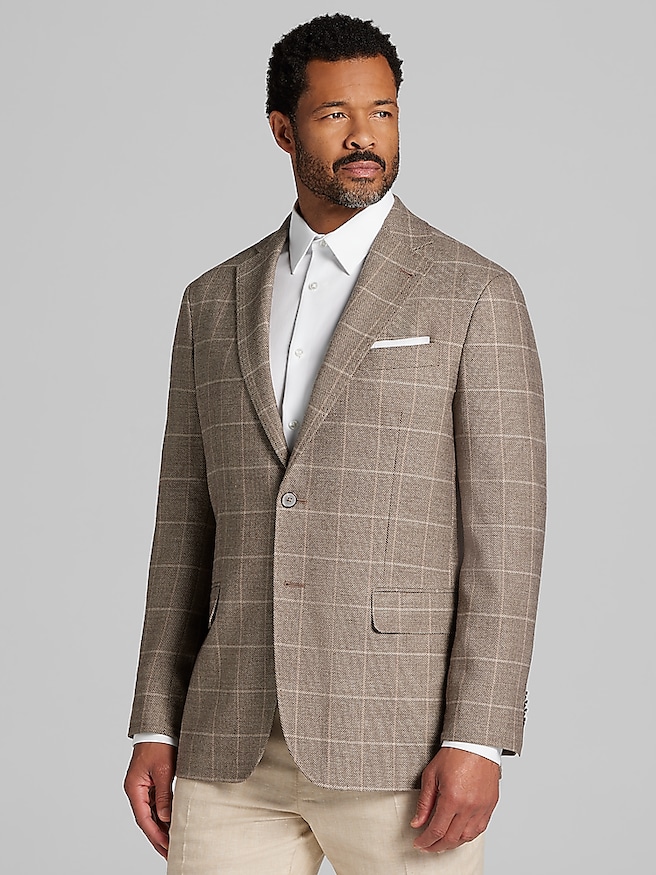
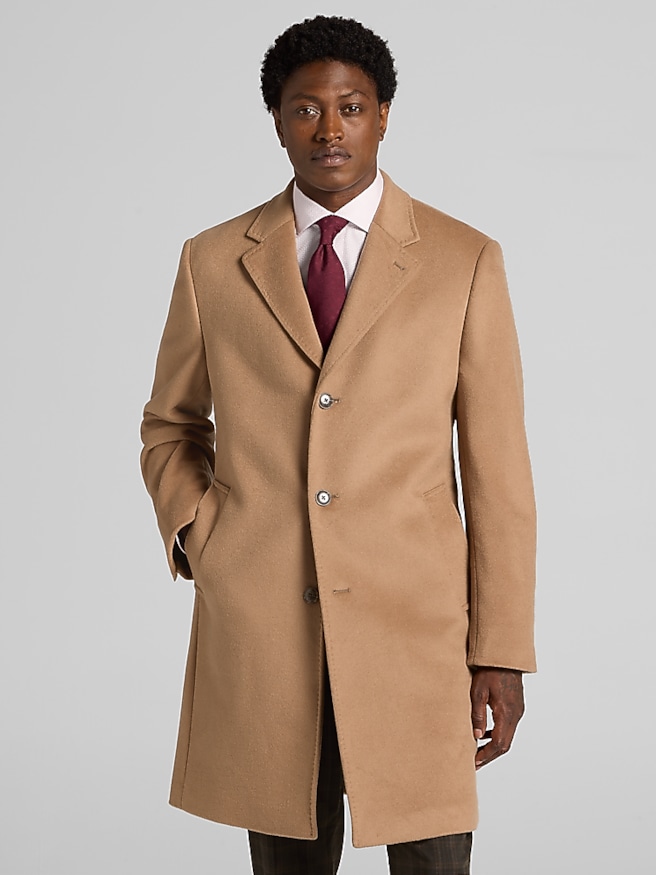
Luxury men's coats combine refined fabrics, balanced tailoring, and carefully finished details in outerwear designed to look polished over everyday clothing or formal dress. The category spans tailored wool overcoats, soft cashmere blends, substantial double-breasted styles, fine leather coats, and insulated designs with protective shells. Each serves a distinct purpose: a long wool coat creates a clean line over a suit, while an insulated coat may be better suited to extended time outdoors. The distinction often comes down to how the fabric feels, how the coat hangs, and how comfortably its construction supports movement. Wool is valued for its natural warmth, resilience, and ability to drape without looking stiff. A densely woven wool fabric can help limit wind penetration, although it should not be mistaken for waterproof protection. Cashmere brings a particularly soft hand and can provide warmth without a bulky feel; blends combine that softness with the characteristics of other fibers. Fabric weight matters as much as fiber content. A lighter cloth can fall beautifully over tailored clothing, while a heavier cloth may create a more structured silhouette. Leather offers a different character, with texture, grain, and finish contributing to its appearance. Some leathers develop a patina with wear, while others have finishes intended to maintain a more uniform surface. For insulated outerwear, warmth depends on the insulation, its distribution, the shell, and the overall design rather than thickness alone. Down needs appropriate protection from moisture, and synthetic insulation can be useful where damp conditions are a concern. Water resistance and waterproofing are distinct features, so protection should be judged by the garment's stated specifications. Linings also influence comfort: a smooth lining lets a coat slide over jacket sleeves, while a quilted lining can add insulation. These practical differences help explain why luxury outerwear is best understood through materials and construction, not appearance alone.
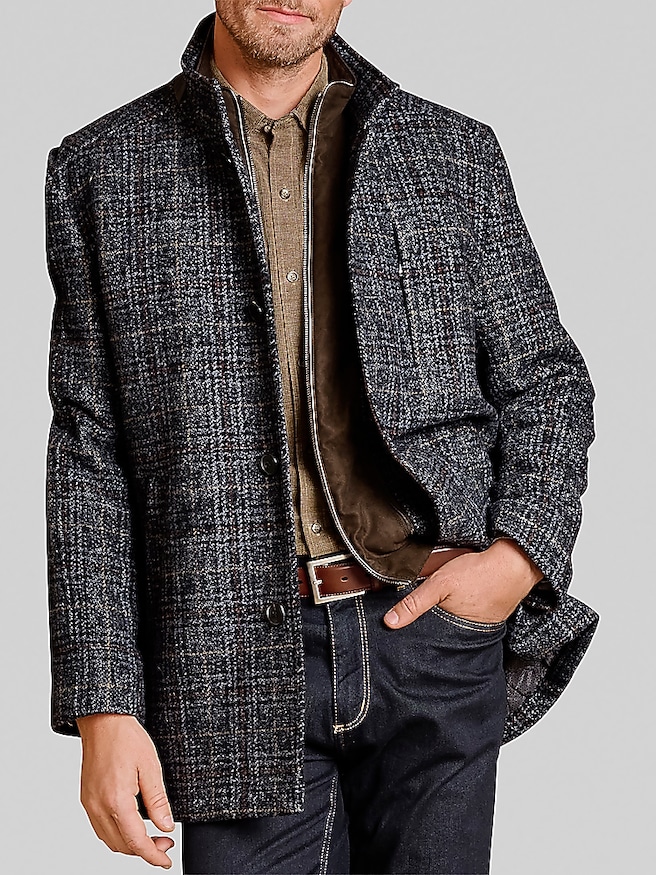
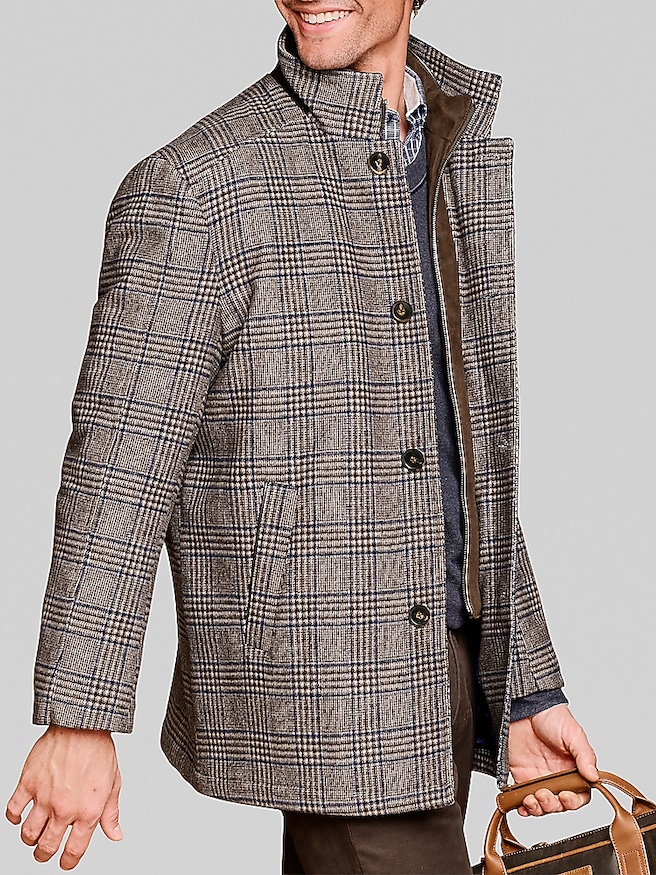
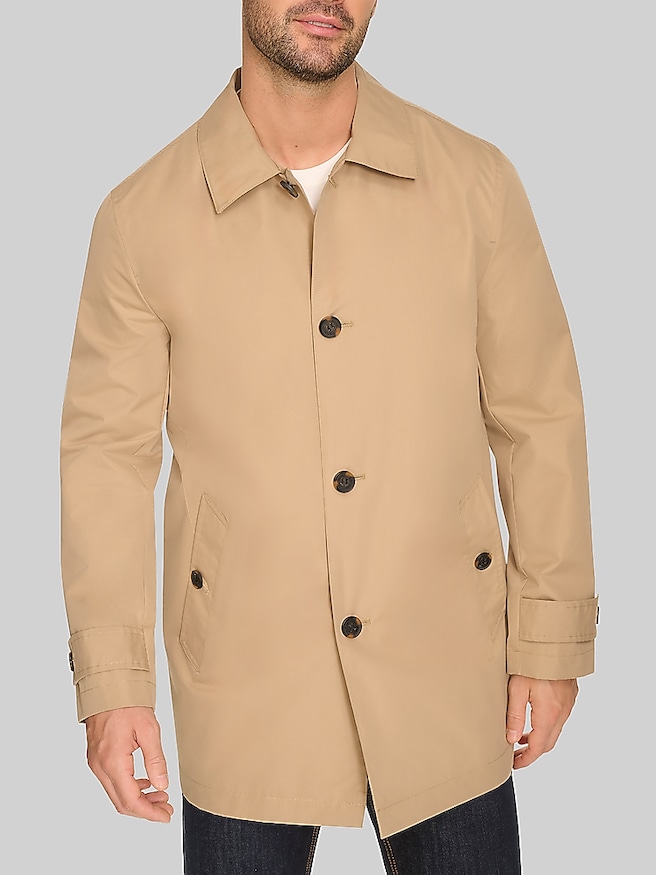
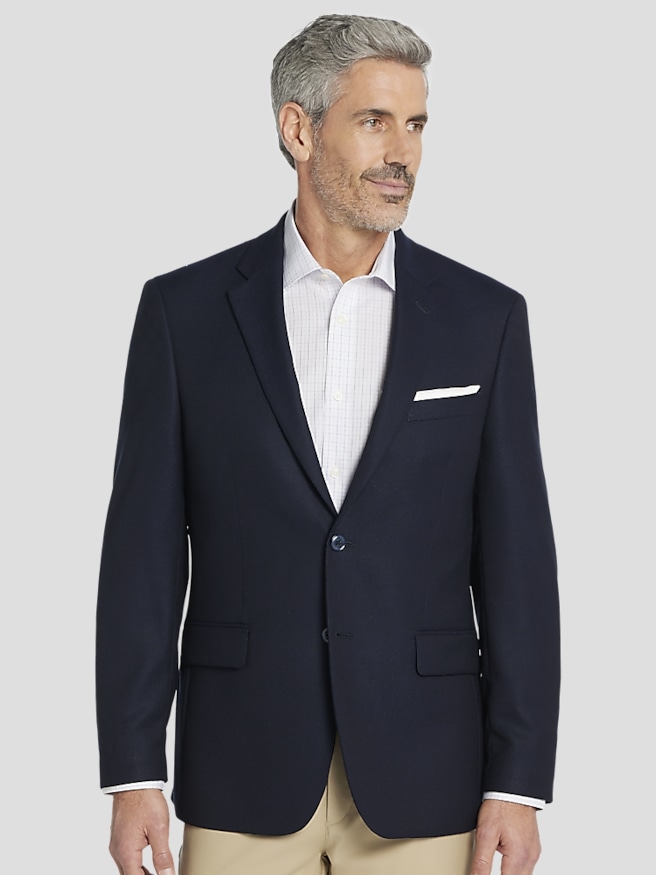
Fit gives those materials their shape, especially when a coat is worn over a blazer or suit jacket. A tailored overcoat needs enough room through the shoulders, chest, and upper arms to accommodate those layers without sagging when worn over a sweater. Shoulder seams should sit naturally for the design, lapels should lie flat, and the front should close without pulling into pronounced creases around the buttons. Reaching forward, taking a seat, or carrying a briefcase should not leave the upper back feeling tightly bound. Sleeve length deserves attention with the intended outfit underneath; an outer coat generally covers the jacket sleeve rather than leaving it exposed. Length changes both the look and the experience of wearing the coat. A longer hem gives more coverage and a flowing line over tailoring, while a shorter silhouette can feel less restrictive when getting into a car or moving between appointments. Single-breasted coats offer a straightforward profile that works with business clothing, knitwear, and dark denim. Double-breasted styles create a more substantial front, with overlapping fabric and a stronger visual presence. A notch lapel feels familiar and versatile, while a peak lapel lends a sharper, more formal character. The appeal of Men's Designer Coats often rests in these proportions and finishing choices, from the shape of a collar to the placement of a pocket. Charcoal, navy, black, and camel each bring a distinct mood without requiring elaborate styling. Charcoal sits comfortably over gray tailoring, navy pairs naturally with brown leather accessories, and camel adds contrast to dark trousers and knitwear. Subtle herringbone or a restrained check can provide texture when the rest of an outfit is simple. For an evening performance, an important presentation, or a dinner with a formal dress code, a coat that falls cleanly over the clothing beneath it helps the entire outfit feel considered. For daily commuting, accessible pockets and comfortable movement may matter just as much as the silhouette.
Lasting satisfaction with luxury men's coats depends on thoughtful care as well as thoughtful construction. Neat seams, securely attached buttons, an evenly set lining, and pocket openings that lie smoothly are useful details to examine. Stress points around pockets and closures deserve particular attention because they receive repeated handling. Durability does not always mean a heavier or stiffer fabric; a beautifully soft cloth may wear well when used appropriately, while even a substantial fabric can suffer from abrasion or poor storage. Rotating outerwear gives fibers time to recover between wears, and a broad, supportive hanger helps a tailored coat retain its shoulder shape. Overfilled pockets can distort the front, especially in softer fabrics. A gentle clothing brush can lift surface dust from many wool coats, while occasional airing helps keep them fresh without unnecessary cleaning. Care instructions should determine whether a garment needs professional cleaning or can be treated another way. Cashmere and other soft, brushed fabrics benefit from gentle handling, and pills should be removed carefully with a tool suitable for the material. Leather calls for care matched to its finish rather than a general household cleaner, which can discolor or dry the surface. Insulated coats also need material-specific attention, since cleaning and drying methods can affect loft and performance. After exposure to moisture, a coat should dry as directed, away from intense direct heat. For longer storage, clean garments and breathable covers help protect fabric, while wool and cashmere also need protection from moth damage. These habits support the appearance and usefulness of a coat that may accompany years of commutes, dinners, and travel. As a gift, refined outerwear can suit someone building a professional wardrobe or replacing a familiar coat that has seen years of service. Knowing the recipient's usual jacket size, preferred fit, and daily routine makes the choice more personal. A recipient who wears suits regularly may appreciate a different shape from someone who favors substantial sweaters, making lifestyle as important as color or fabric.