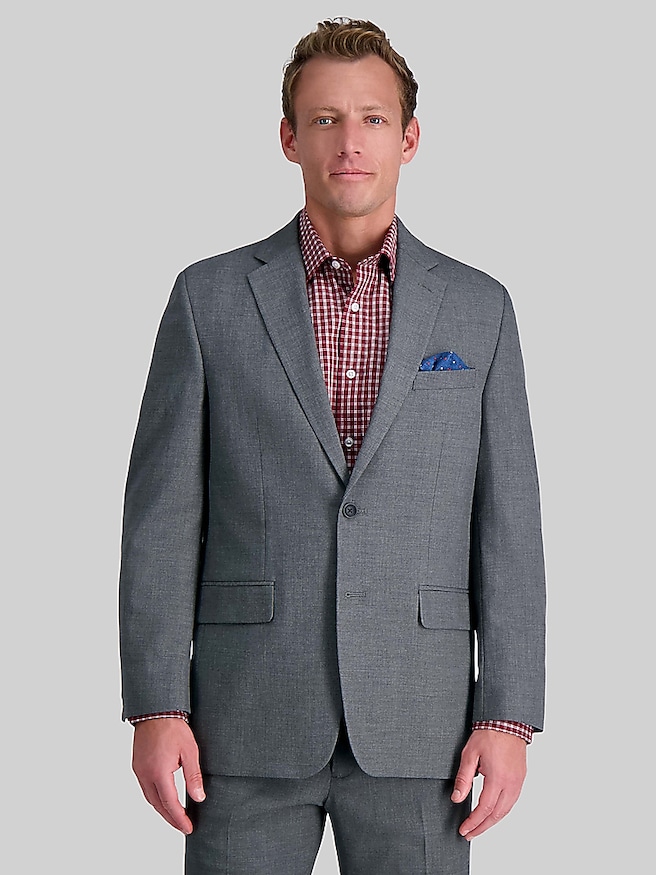
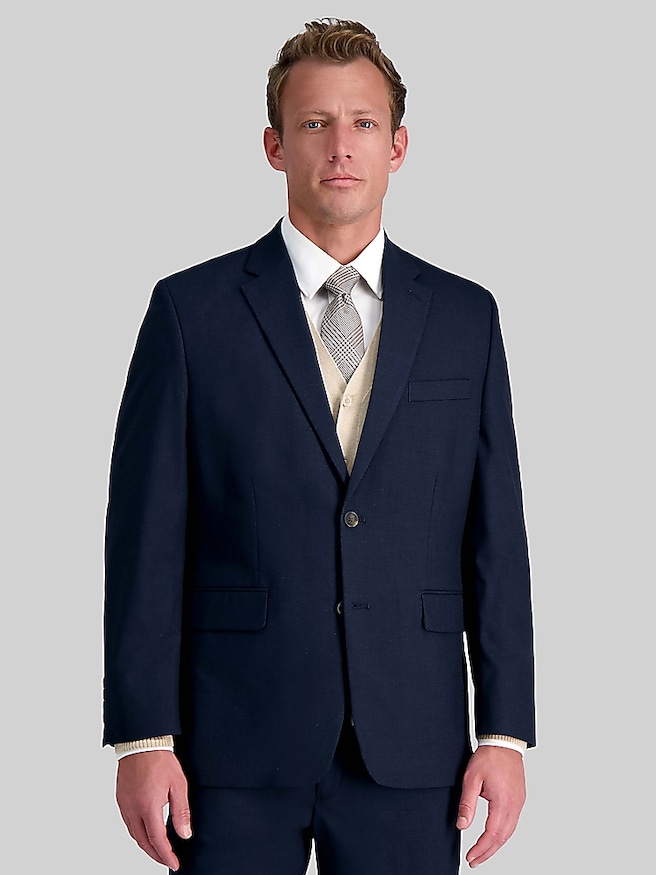
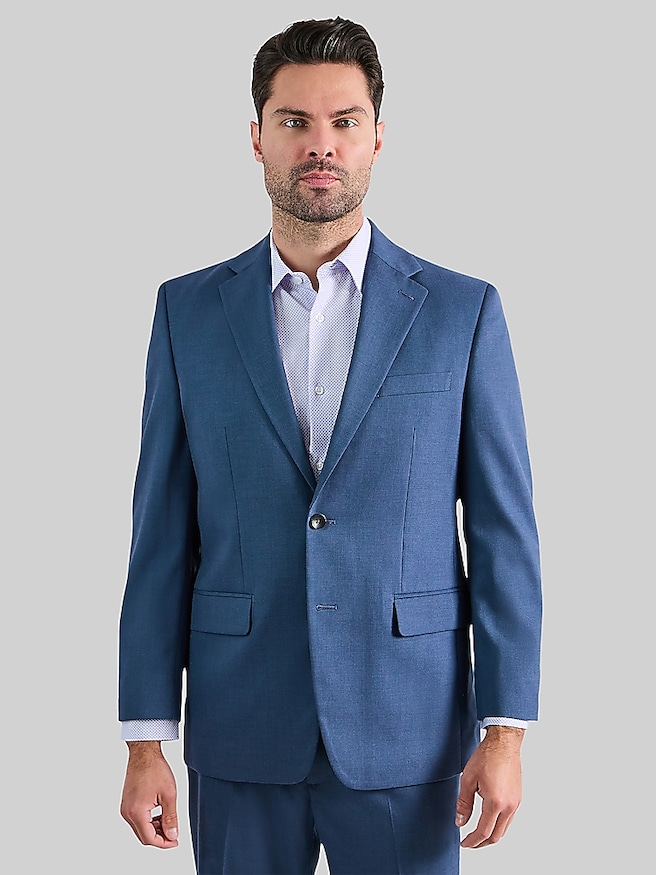
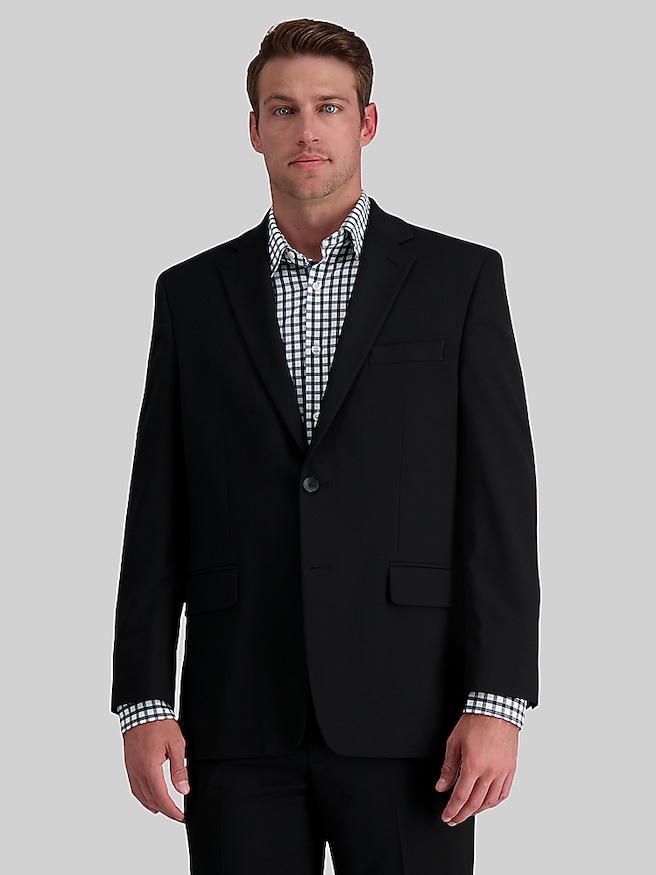
Comfortable formal attire combines the clean lines and refined finish of occasion dressing with fabrics and construction that make sitting, standing, and moving feel natural. A polished outfit should hold its shape through a ceremony, a long dinner, and a turn on the dance floor without demanding constant adjustment. That balance begins with material: fine wool can provide breathability, a smooth drape, and natural resilience, while wool blends may add flexibility or make the fabric more resistant to creasing, depending on their composition. A modest amount of elastane can give tailored clothing extra stretch, though fiber content alone does not determine how comfortable a garment will feel. Fabric weight, weave, lining, and cut all contribute to the experience. Smooth cotton shirting offers a familiar feel against the skin, and a little stretch can ease movement across the shoulders and elbows. Softness matters most at points of contact, including the inside of a collar, the waistband, and the cuffs. During the cooler months, medium-weight cloth can feel substantial outdoors without becoming overly warm at a crowded reception, especially when paired with breathable layers. A lining that glides easily over a shirt can also help a jacket settle comfortably instead of catching as the wearer reaches forward. The result is clothing suited to occasions when appearance matters but the day involves much more than posing for photographs. Wedding guests, members of a wedding party, gala attendees, and anyone attending a formal evening celebration may spend hours in the same outfit, moving between chilly entrances and warm indoor rooms. For those occasions, comfort is not the opposite of structure. It is the thoughtful combination of a well-shaped silhouette, appropriate coverage, and enough freedom to participate fully. The broader Adult Formal Wear category provides context for occasion dressing, while comfortable formal attire puts particular emphasis on how those refined clothes feel throughout an event.
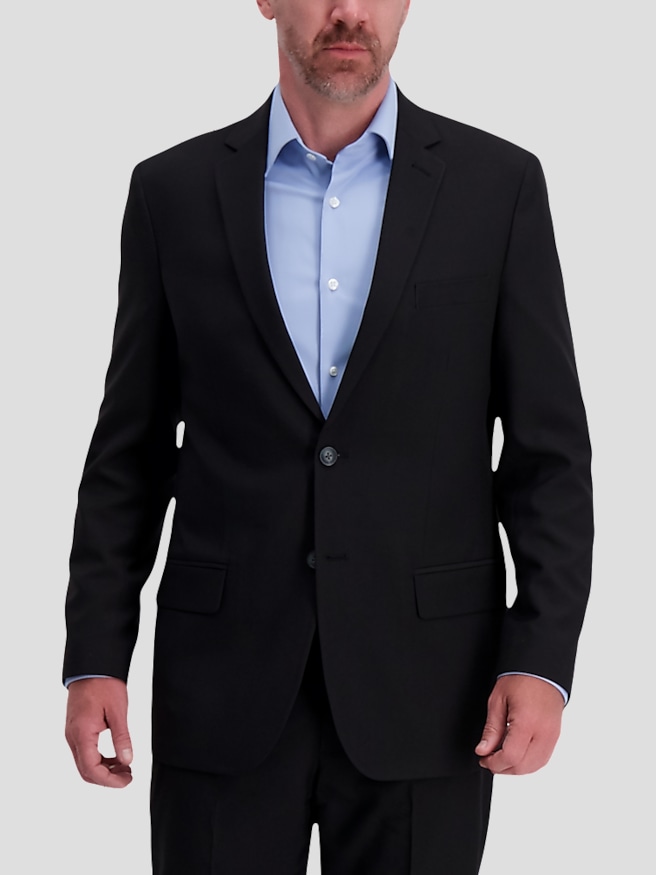
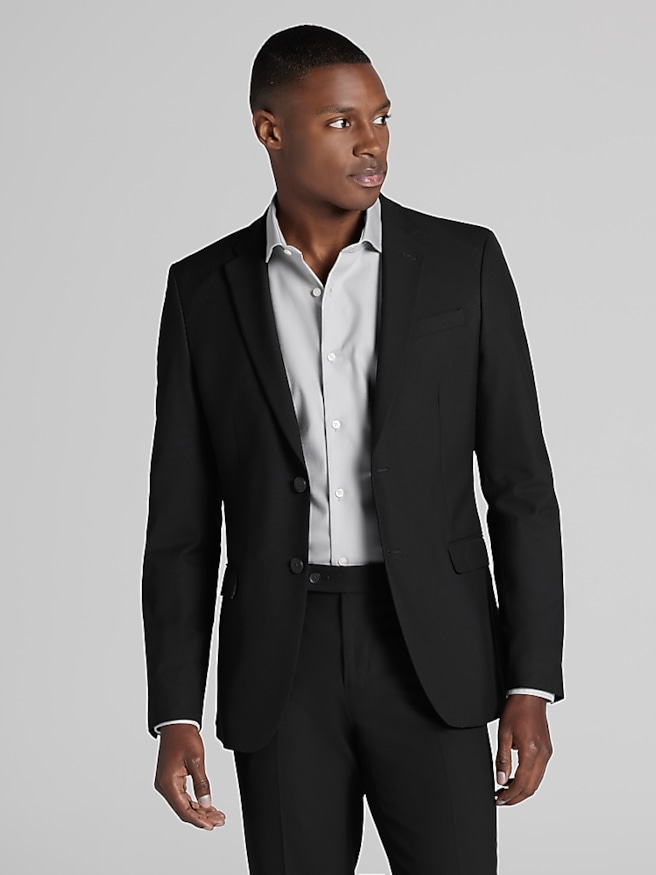
Fit gives comfortable formal clothing its shape without relying on tightness to look sharp. A jacket should sit cleanly across the shoulders, with a collar that rests close to the shirt and a chest that does not pull when buttoned. Sleeves need enough room for a natural bend at the elbow, and the back should allow ordinary gestures such as greeting a guest or lifting a glass. Stretch can support that movement, but it cannot make up for a garment that is too small. Likewise, a looser cut is not automatically more comfortable if excess fabric bunches beneath the arms or pools at the waist. Trousers feel better when the rise suits the wearer and the seat and thighs have enough room for sitting through dinner. A waistband that lies flat without digging in helps maintain a composed look after several hours, while a clean hem keeps fabric from collecting over the shoes. Slim, tailored, and roomier silhouettes can all deliver ease when their proportions suit the body. Small alterations to sleeve length, trouser length, or waist shaping can improve both appearance and wearability without changing the character of an outfit. Construction adds another layer to the fit. Softer shoulder padding can reduce a rigid feeling, and partial lining can lessen bulk, although neither feature alone establishes whether a jacket meets a formal dress code. A crisp silhouette and suitable fabric remain important, particularly for evening occasions. Shirts deserve the same attention: a collar needs space to button comfortably beneath a tie, and the body should stay tucked without pulling whenever the wearer sits. For someone who spends most days in casual clothing, these details can make formal dressing feel less unfamiliar. For someone accustomed to tailored clothing, they provide the quiet ease of an outfit that needs very little attention once it is on.
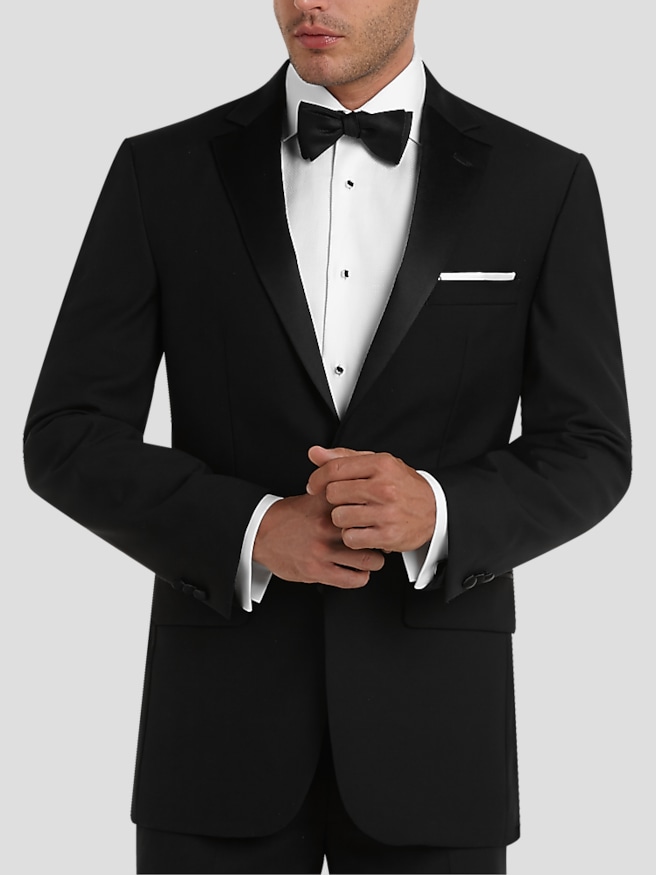
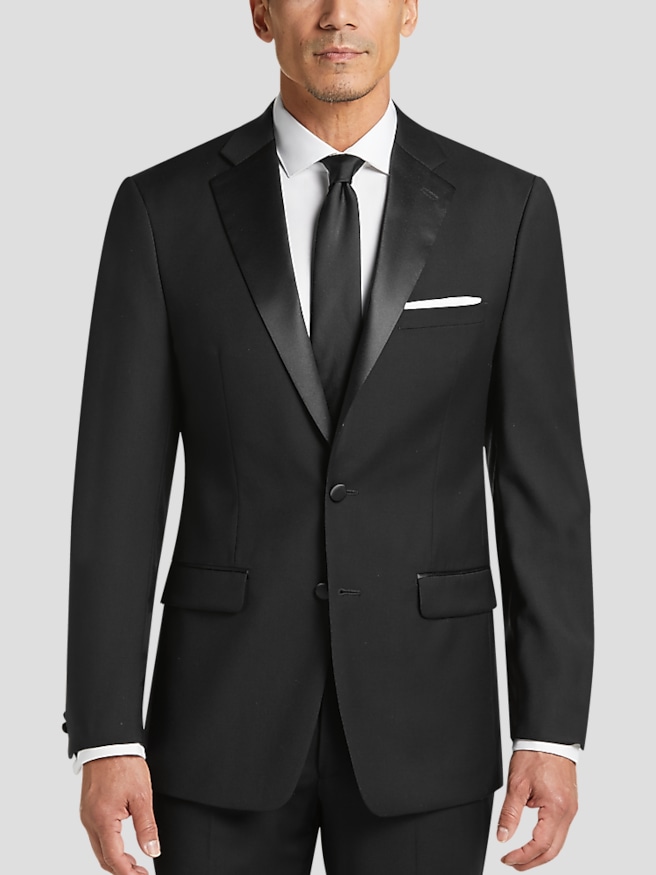
The intended occasion determines how that comfort comes together. Black-tie events call for the conventions of tuxedo dressing, while other formal celebrations may suit a dark, well-fitted suit with a dress shirt and restrained accessories. A relaxed construction does not change the dress code, and a casual knit jacket may not provide the finish an evening invitation requires. Deep, versatile colors and subtle textures create a composed foundation, with a tie, pocket square, or polished shoes adding definition without unnecessary bulk. Footwear has an especially noticeable effect during a standing reception or an evening with dancing. A secure heel, sufficient room through the toes, and cushioning underfoot support comfort; a shoe that pinches at the fitting is unlikely to become pleasant simply because the occasion is important. Dress socks should feel smooth inside the shoe and remain comfortably in place, while an undershirt can add a soft layer if it does not crowd the shirt or show at the neckline. These supporting pieces can also make thoughtful gifts for someone preparing for milestone celebrations, provided sizing, fabric preferences, and the expected dress code are known. Lasting comfort depends on care as well as the initial fit. Following each garment’s care label protects its fabric, lining, and shape, whether the instructions call for professional cleaning or permit washing at home. Airing tailored clothing after wear, treating marks promptly according to the label, and storing jackets on supportive hangers help keep them ready for another occasion. Excessive heat can affect stretch fibers and some finishes, so pressing and steaming should suit the material rather than follow a single routine for every garment. Durability also comes from sound stitching, secure buttons, and fabric that recovers well after normal movement. With appropriate care, a thoughtfully chosen formal wardrobe can serve across weddings, celebratory dinners, and evening gatherings, offering the same reassuring combination each time: a clean appearance, comfortable movement, and clothing that lets the wearer focus on the people and occasion.