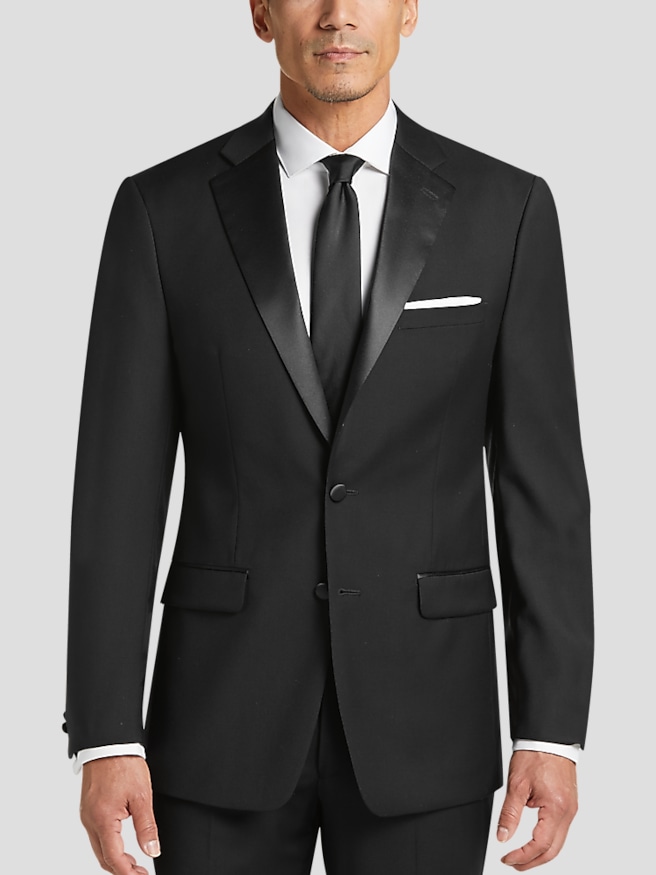
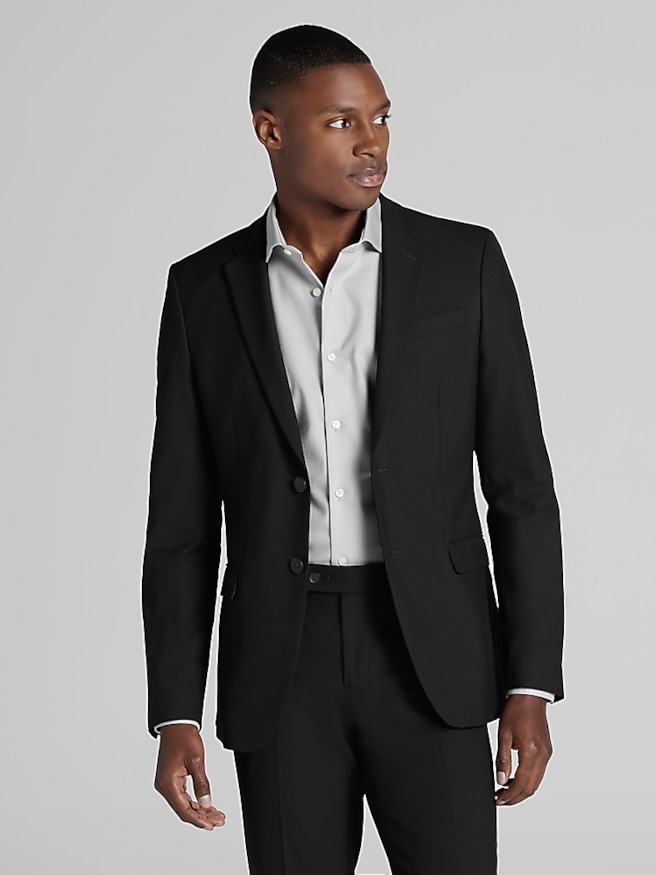
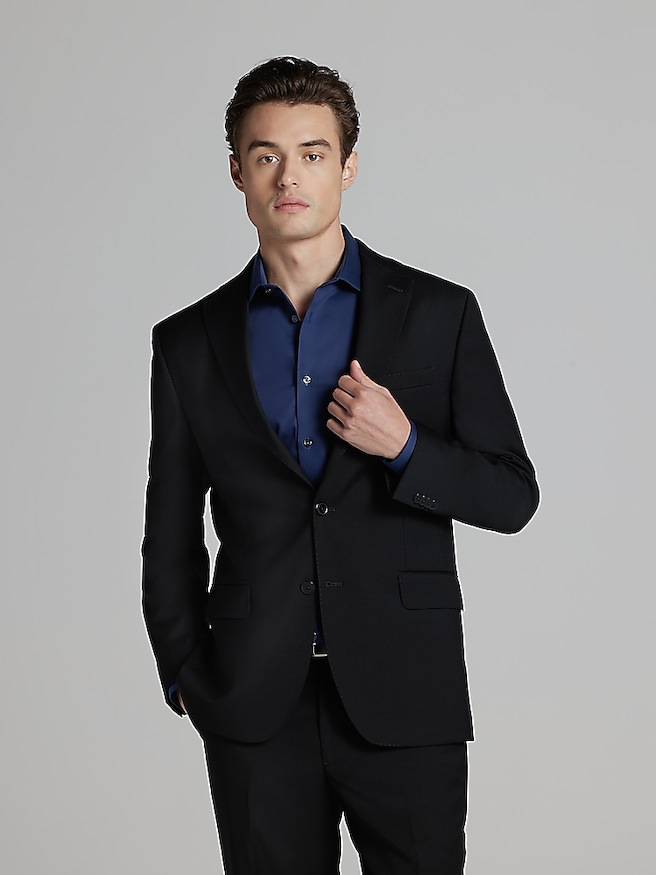
Formal guest attire brings together tailored suits, tuxedos, dress shirts, and refined accessories for occasions that call for a polished appearance. A dark suit with a crisp shirt, a restrained tie, and polished leather shoes is appropriate for many formal celebrations, while a tuxedo is the traditional choice when an invitation specifies black tie. Black-tie optional allows either a tuxedo or a dark formal suit, giving guests room to dress within the occasion’s expectations without looking out of place. These distinctions matter at weddings, charity galas, awards dinners, and milestone celebrations, where clothing becomes part of the setting without drawing attention away from the hosts or honorees. Navy, charcoal, and black provide versatile foundations, with solid colors and subtle woven textures keeping the overall effect composed. Compared with Formal Cocktail Attire, formal guest dressing generally places more emphasis on traditional combinations and restrained finishing details, although the invitation remains the clearest expression of the host’s expectations. Fabric contributes as much to that impression as color. Worsted wool has a smooth surface and a clean drape that complement structured tailoring, while wool blends can offer a balance of shape, softness, and resilience, depending on their composition. A fine twill introduces quiet texture without the visual weight of a bold pattern. On a tuxedo, satin or grosgrain lapel facings create the characteristic contrast between the body fabric and the finishing details. These materials catch light differently, giving an otherwise simple outfit depth in a ballroom, at a dinner table, or in photographs. For a guest moving from a ceremony to a seated reception and then onto the dance floor, fabric that drapes cleanly and allows comfortable movement has practical value beyond its appearance. The strongest combinations feel considered from every angle: a smooth collar above the jacket, trousers that hang neatly, and footwear that looks appropriate beside the formality of the clothing.
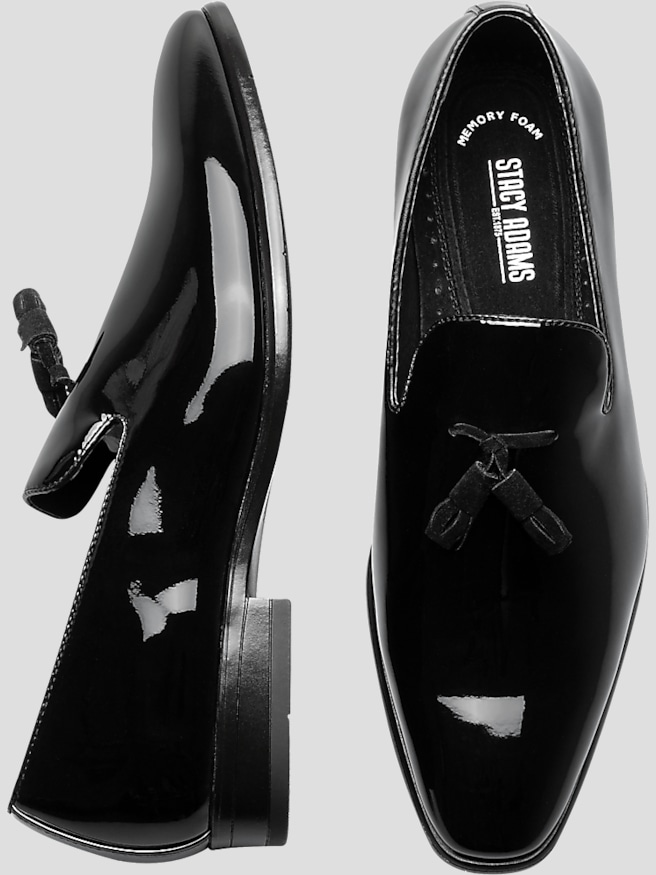
Fit gives formal clothing its shape and makes an extended celebration more comfortable. A jacket should sit close to the shoulders without overhanging them, with a collar that rests neatly against the shirt rather than pulling away at the neck. Across the chest, clean lines matter more than an especially close cut; fabric that strains at the button or forms pronounced pulling lines can make even a carefully coordinated outfit appear unsettled. A slim silhouette offers a narrower outline, while a more generous cut leaves additional room through the chest, waist, and seat. Neither is inherently more formal, and both benefit from proportions that suit the wearer’s build. Sleeve length, jacket length, and trouser length work together, allowing a small amount of shirt cuff to show and keeping excess fabric from collecting above the shoes. Trousers also need enough room for sitting through dinner without pressure across the waist or thighs. Alterations can refine these details, particularly for someone whose jacket and trouser proportions do not align neatly with a standard size. Dress shirts contribute their own structure through the collar, placket, and cuffs. Smooth cotton shirting provides a crisp foundation, while cotton blends may offer easier maintenance when supported by the care label. A white shirt creates clear contrast beneath a dark suit and remains a traditional foundation for a tuxedo. Accessories then establish the appropriate level of formality. A silk necktie complements a formal suit through its texture and controlled sheen; a black bow tie is the conventional partner for a traditional black-tie tuxedo. A pocket square adds a finishing detail without needing to match the tie exactly. Leather oxfords provide a clean, understated foundation for a suit, while patent leather footwear brings a dressier finish to a tuxedo. Dark dress socks maintain continuity between the trouser hem and shoe, including when the wearer sits down. Thoughtful coordination keeps these elements connected rather than making each accessory compete for attention.
Formal guest clothing often serves beyond a single invitation, making construction, care, and versatility meaningful considerations. A suit with a balanced silhouette and understated fabric can remain useful across weddings, formal dinners, and other dress occasions as accessories change. A tuxedo has a more specialized role, but its established proportions and traditional details give it lasting relevance for repeated black-tie events. Durability depends on more than fiber content: seam construction, lining, reinforcement at stress points, and an appropriate fit all influence how clothing withstands wear. An overly tight seat or thigh places additional tension on trouser seams, while an accurate hem helps prevent fabric from dragging against the ground. Between occasions, a broad, supportive hanger helps preserve a jacket’s shoulders, and hanging trousers neatly reduces unnecessary creasing. Allowing garments to air after wear and brushing away surface dust can limit buildup without subjecting the fabric to excessive cleaning. Cleaning methods should follow each garment’s label, with professional attention for tailored pieces when directed. Repeated cleaning is not a substitute for routine care, and stains are best addressed promptly with a method suitable for the material. Dress shirts benefit from laundering and pressing according to their fabric requirements, while silk ties need careful handling to avoid crushing or damaging the surface. Leather footwear also contributes to the outfit’s longevity: cleaning, suitable conditioning, and shoe trees can help preserve its finish and shape. For someone who regularly attends formal occasions, accessories can make thoughtful gifts without requiring the precise sizing of a tailored jacket. A refined tie, pocket square, or pair of cufflinks can complement an established wardrobe when selected with the recipient’s preferences and shirt style in mind. Across the full outfit, the aim is consistency rather than excess. Clothing that fits comfortably, holds its shape, and respects the occasion lets a guest move naturally through introductions, dinner, and photographs, with a polished appearance that remains appropriate from arrival to the final farewell.