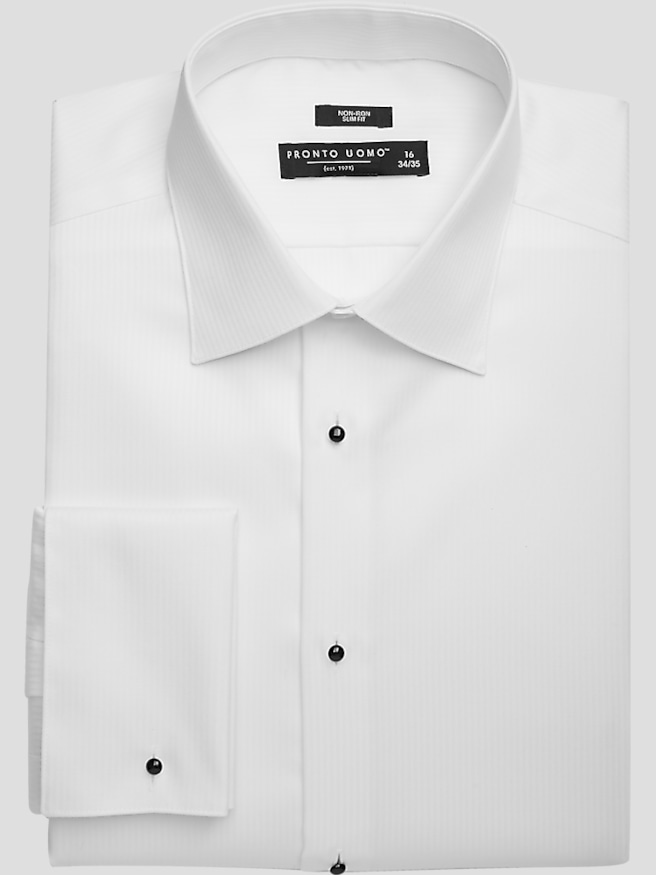
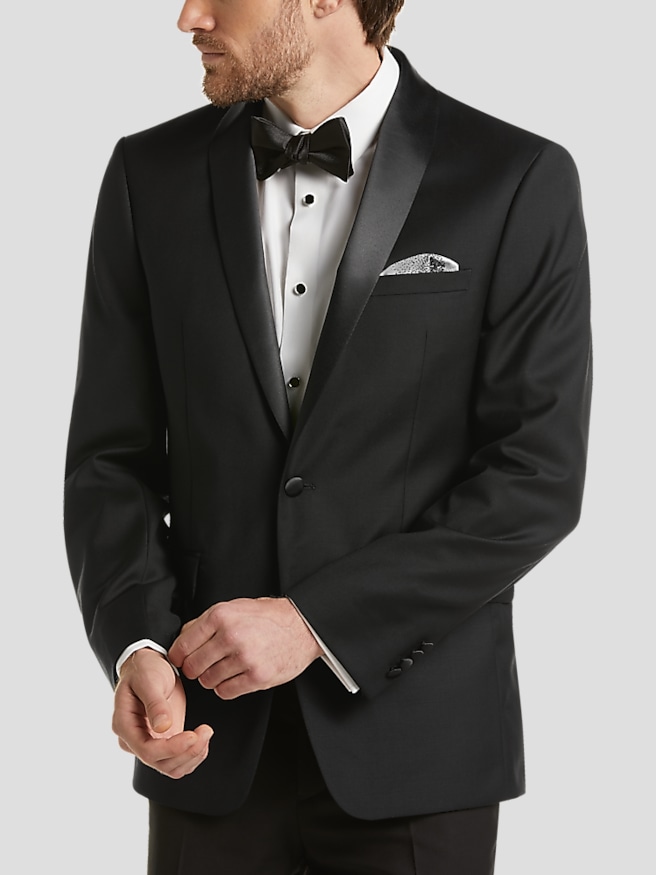
Formal wear for wedding guests brings a sense of occasion to the ceremony, the reception, and the photographs that preserve both. The strongest looks feel considered without drawing attention away from the couple: a well-proportioned jacket, trousers that hang cleanly, a crisp shirt, and accessories that belong together. From a ballroom celebration to an intimate restaurant reception, Formal Guest Attire balances a polished appearance with the practical comfort needed for sitting through vows, greeting friends, and spending time on the dance floor. The invitation’s dress code gives this clothing its context. Tuxedo styling, with its distinctive lapel facing and coordinated details, suits black-tie occasions, while a dark tailored suit can provide an appropriate foundation for many formal or black-tie-optional weddings. Black, deep navy, and charcoal create understated combinations that photograph well and leave room for personal expression through texture, proportion, and carefully chosen accessories. A smooth solid fabric has a clean, composed appearance; a subtle woven pattern adds depth without making the outfit feel busy. The distinction between dressed up and thoughtfully dressed often comes down to these quieter details rather than a bold statement. A lapel that lies flat, a collar that sits neatly against the neck, and trousers with an even line can make a familiar combination feel especially sharp. For a guest giving a toast, attending with a partner, or reconnecting with relatives, formal clothing also needs to feel natural in motion. An outfit that looks balanced while standing should remain comfortable at the dinner table and composed when the jacket is opened. Coordinating with a companion can be as simple as echoing a color in a tie or pocket square rather than matching every element. The result is wedding guest clothing that acknowledges the importance of the occasion while still feeling like an authentic expression of the person wearing it. The overall effect is respectful, intentional, and ready for the celebration.
Fabric and construction shape how formal clothing looks, feels, and holds up over repeated wear. Wool is valued in tailored garments for its drape, resilience, and ability to recover from minor creasing, although the weight, weave, and finish all influence the final result. A fine, smooth wool fabric produces a refined surface, while a more textured weave can lend visual interest to a restrained color palette. Wool blends may introduce other qualities, such as added stretch or a distinctive hand, with performance depending on the full fiber composition and garment construction. Lining, seams, and internal structure matter as much as the outer fabric: they help a jacket settle neatly over a shirt and support its shape through a long celebration. Fit is equally important. Jacket shoulders should follow the wearer’s natural shoulder line without extending noticeably beyond it, and the chest should close smoothly without pulling into pronounced creases around the button. Enough room through the upper back makes a meaningful difference when reaching for a glass, embracing a friend, or taking a seat. A close silhouette can look modern, but excessive tightness often interrupts the clean lines that formalwear is meant to create. A roomier cut can be equally polished when the shoulders, sleeves, and trouser length are properly proportioned. Trousers benefit from a comfortable waist, a rise that allows easy sitting, and fabric that falls smoothly through the seat and thigh. The amount of break at the shoe changes the overall impression, from a crisp contemporary finish to a more traditional drape. Shirts provide another layer of structure and comfort. Cotton offers a familiar feel, while fabric blends can provide useful easy-care properties when supported by the garment’s care instructions. A collar that stays composed beneath the jacket and cuffs that extend slightly beyond the sleeves contribute to a finished appearance. These details make formal clothing useful beyond a single wedding, with tailored pieces often serving at anniversary dinners, milestone celebrations, and other occasions that call for a similarly polished look.
Accessories bring the individual elements into focus without needing to dominate them. A tie with a restrained pattern can give a dark suit character, while a bow tie reinforces the distinctive appearance of traditional tuxedo attire. Pocket squares add dimension through a small fold of fabric; they can relate to the tie’s palette without repeating its exact pattern. For guests who prefer a minimal look, a crisp shirt and carefully chosen neckwear can provide all the contrast needed. Footwear has both a visual and a practical role. Smooth leather dress shoes create a clean foundation, and a well-maintained finish helps the entire outfit look intentional. Comfort depends on the shoe’s fit, construction, and the wearer’s familiarity with it, particularly when the celebration includes a lengthy ceremony, standing conversations, and dancing. Dress socks that stay in place and cover the lower leg when seated preserve the continuous line between trousers and shoes. Where the outfit calls for a belt, coordinating its color and finish with the footwear helps keep the look cohesive; other trouser designs may work with side adjusters or suspenders. Small accessories can also make thoughtful gifts for someone attending an important wedding, especially when the recipient’s preferred colors and level of formality are known. Clothing with a precise fit requires more attention to measurements and personal preferences. Long-term care protects the appearance and usefulness of formal garments. Care labels remain the best reference for cleaning, pressing, and handling each fabric, since tailored construction and decorative finishes can require specialized treatment. A supportive jacket hanger helps preserve the shoulders, while properly hung trousers are less likely to develop unwanted creases between occasions. Allowing garments to air after wear and addressing marks promptly according to the care instructions can reduce unnecessary cleaning. Shoes benefit from appropriate cleaning and conditioning for their material, along with storage that supports their shape. With thoughtful care and well-chosen proportions, wedding guest attire can remain a dependable part of a wardrobe, ready for another invitation without losing the character that made it feel right the first time.