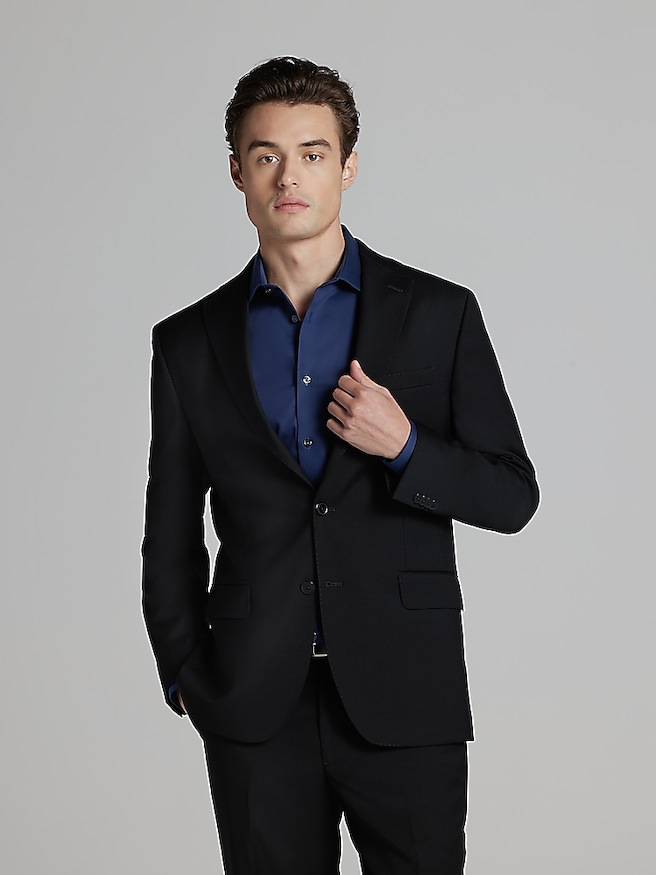
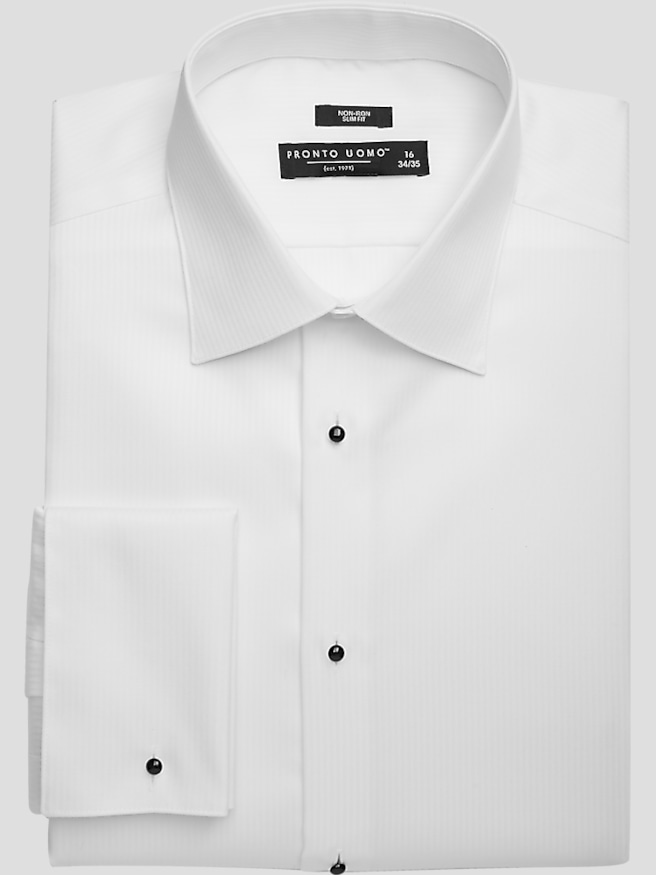
Formal clothes for a wedding bring together a tailored silhouette, refined fabrics, and coordinated details suited to a significant celebration. For many weddings, formal attire means a dark suit, a dress shirt, a tie, and polished dress shoes; a tuxedo is appropriate when the invitation specifies black tie and is also an option for black-tie-optional celebrations. The stated dress code takes priority over assumptions about the venue, and any attire details provided by the couple help establish the right level of formality. Navy and charcoal suits offer a polished foundation that works for guests, fathers of the couple, and members of the wedding party, while black has a more ceremonial presence. A tuxedo creates a distinct eveningwear look through details such as satin-faced lapels and coordinating trousers, rather than simply functioning as another dark suit. These differences matter in settings where everyone is dressed with a shared sense of occasion, from a ceremony in a historic place of worship to a reception in a ballroom. A crisp white shirt keeps the overall effect clean and traditional, while a restrained tie adds depth without pulling attention away from the celebration. For wedding-party attire, consistency in fabric, color, and formality creates cohesion without requiring every wearer to have the same build or personal style. Guests have more room for individual choices, although subtle patterns and understated accessories generally sit comfortably within a formal dress code. The strongest combinations look considered from the ceremony through the final photographs: jacket and trousers that belong together, a shirt collar that stays neat beneath the lapels, and footwear that matches the polish of the clothing. Formal wedding clothing also has a practical role. It needs to look composed while the wearer stands for portraits, sits through dinner, greets relatives, and moves across the dance floor. An outfit that balances appearance with ease feels appropriate throughout the event rather than only in a posed photograph.
Fabric and construction influence both that appearance and the experience of wearing tailored clothing for several hours. Wool is a traditional choice for formal suits because its fibers offer resilience, breathability, and a natural drape that helps a jacket fall smoothly over the body. Fine worsted wool has a relatively smooth surface, making it especially well suited to a clean, dressy finish. Wool blends can offer a balance of structure and everyday practicality, while fabrics with a modest amount of stretch may provide additional give when sitting or moving. Fiber content alone does not determine performance; the weave, fabric weight, lining, and garment construction all contribute to how clothing feels and holds its shape. A subtle woven texture can add visual interest without the busyness of a pronounced pattern, particularly when the outfit will appear in close-up portraits. Fit is equally important. Jacket shoulders should follow the wearer’s natural shoulder line without extending outward or pulling inward, and the front should close without pronounced strain around the button. A collar that rests close to the neck and lapels that lie flat help create a finished appearance. Slim, tailored, and classic fits describe different proportions rather than different levels of formality, so the right choice depends on body shape and preferred ease. A close-fitting suit should still allow comfortable movement, and a roomier cut should retain definition rather than hanging loosely. Trousers look balanced when they sit securely at the waist, fall cleanly through the seat and thigh, and meet the shoes with a deliberate hem length. Excess fabric pooling at the ankle can distract from an otherwise sharp outfit. Dress shirts need enough room through the chest and shoulders for natural movement, with sleeves that remain comfortable when the arms bend. These details become especially noticeable during a seated ceremony or an extended dinner, when clothing that merely looks fitted can begin to feel restrictive. Thoughtful alterations can refine sleeve length, trouser hems, and the shape of the jacket while preserving the garment’s intended proportions.
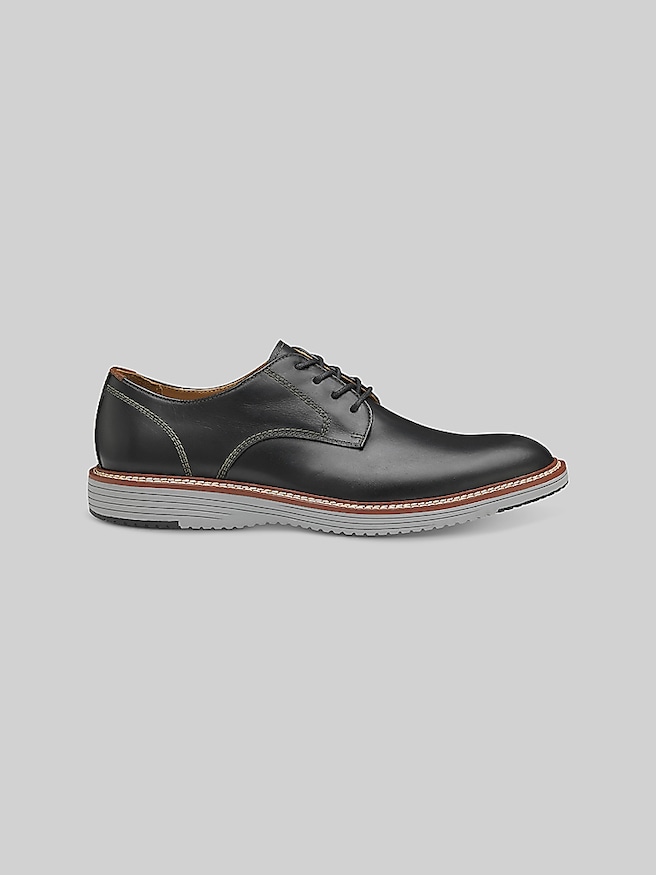
Accessories complete formal wedding attire by connecting the larger pieces rather than competing with them. Smooth leather lace-up shoes provide a traditional foundation for a suit, while footwear paired with a tuxedo generally calls for a particularly sleek, polished finish. Comfort depends on more than softness: a secure heel, sufficient toe room, and a supportive fit matter during long stretches of standing and dancing. Dress socks that cover the leg when seated maintain a continuous line beneath the trousers. A tie with a restrained pattern or quiet texture can introduce personality, and a pocket square adds contrast without needing to match the tie exactly. With a tuxedo, a bow tie and other formal accessories should work with the shirt and jacket details to create a coherent whole. A belt, when worn, should coordinate with the shoes; trousers designed for suspenders offer a different way to maintain a clean waistline. Jewelry is most effective when it feels intentional, whether that means a simple watch or cuff links worn with a shirt designed to accommodate them. For celebrations with a less narrowly defined dress code, Clothes For Wedding provides a broader context for coordinating attire around the occasion. The usefulness of formal clothing can extend beyond one ceremony, particularly when neutral colors and restrained details also suit other milestone events. Care helps preserve that versatility. Garment care labels should guide cleaning and pressing, since suit fabrics, linings, shirt materials, and decorative finishes can require different treatment. Airing tailored clothing after wear, using supportive jacket hangers, and hanging trousers neatly help maintain shape between occasions. Prompt attention to a small spill is preferable to aggressive rubbing, which can spread a mark or disturb the fabric surface. Shoes also benefit from cleaning and care appropriate to their material. Accessories can make thoughtful wedding-related gifts when they reflect the recipient’s taste and the event’s dress code, while fitted garments are best chosen with accurate measurements and personal preferences in mind. Together, considered fabric, comfortable proportions, and well-kept details give formal wedding clothing a sense of purpose that lasts beyond the photographs.