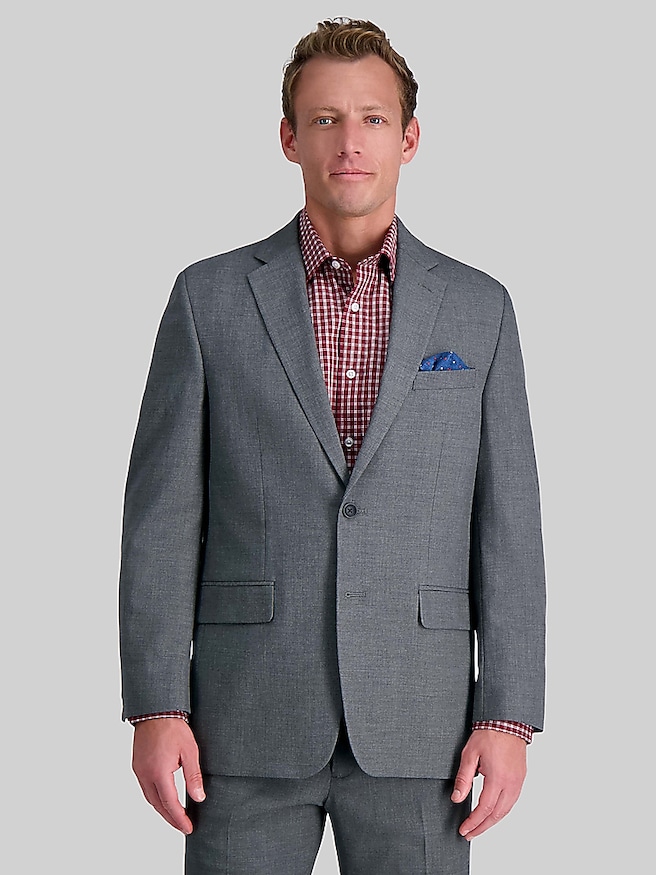
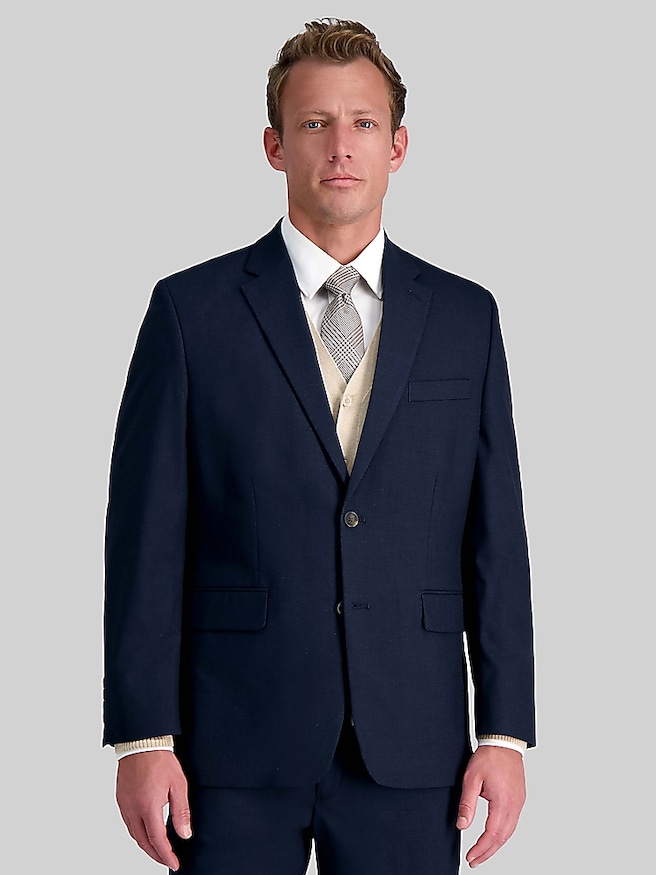
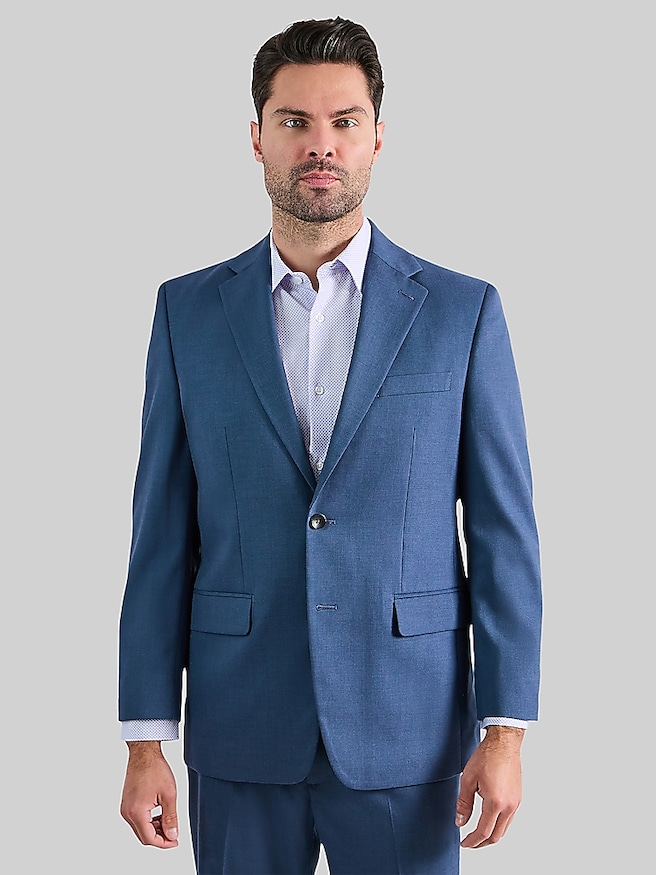
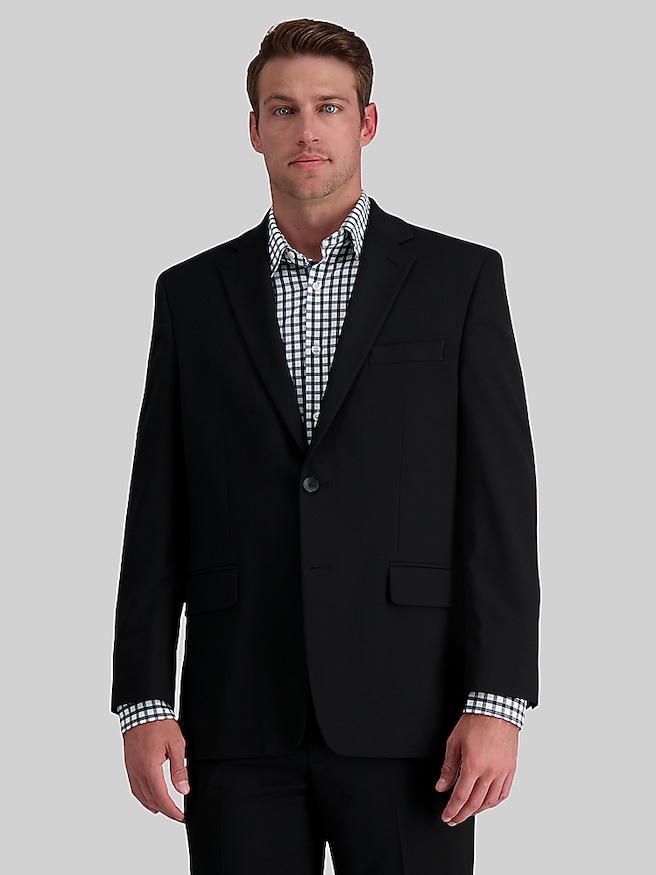
Formal cocktail attire occupies the polished middle ground between traditional business dress and black-tie evening wear. It is refined enough for a wedding reception, anniversary dinner, fundraising event, holiday gathering, or upscale cocktail hour, while allowing more flexibility than a tuxedo or full evening ensemble. For many men, the foundation is a well-tailored suit in a dark or seasonally rich shade, paired with a crisp dress shirt, coordinated neckwear, and polished leather footwear. Navy, charcoal gray, deep blue, and understated burgundy can all create an appropriately formal impression, while subtle texture or pattern adds personality without making the outfit feel relaxed. The most important consideration is fit: a jacket should lie smoothly across the shoulders, sleeves should reveal a small portion of the shirt cuff, and trousers should fall cleanly without excessive bunching at the shoes. Even an otherwise simple outfit looks considered when the proportions are right. Formal cocktail attire should feel comfortable enough for conversation, dinner, and time on the dance floor, but it should not drift into casual territory. Jeans, shorts, T-shirts, athletic sneakers, and overly relaxed sandals generally belong elsewhere. At the same time, a standard cocktail dress code usually does not require the formality of a floor-length evening look or a tuxedo. The goal is a composed appearance with enough elegance for the occasion and enough ease to feel natural from the first arrival through the final toast.
When building a formal cocktail outfit, begin with the event details, setting, and time of day. An indoor evening reception often calls for darker colors, a sharper contrast between the shirt and suit, and a more refined finish, while a daytime celebration or venue with outdoor elements may welcome lighter neutrals, softer blue tones, or subtle seasonal texture. During the cooler months, fabrics with a little visual depth can make an outfit feel especially appropriate without becoming heavy or overly dramatic. A smooth dress shirt in white or light blue remains a dependable choice, while a restrained pattern can add interest when the rest of the outfit is quiet. Neckwear is typically expected for formal cocktail settings, although the styling may be less rigid than at a black-tie event; a solid, textured, or discreetly patterned tie can bring the whole look together. Keep the relationship between colors in mind rather than trying to match every piece exactly. A dark suit, clean shirt, complementary tie, and polished shoes create a dependable base, and a pocket square or understated jewelry can provide a personal finishing touch. Footwear should be clean, well-maintained, and suited to the level of the event, with leather dress shoes offering a reliable balance of comfort and formality. Match the belt to the shoes, check that hems and cuffs are neat, and give every garment enough time to hang naturally before wearing it. Small preparations make a visible difference: removing temporary stitching, checking pockets, brushing away lint, and keeping a compact garment-care kit nearby can help preserve a crisp appearance throughout a long evening. For additional outfit inspiration with a slightly more relaxed celebration in mind, explore Cocktail Party Attire.
Formal cocktail attire is often chosen for moments that deserve more thought than an everyday outfit but do not call for the most ceremonial dress. It can serve as a dependable wardrobe option for a guest attending a wedding, a professional attending a client reception, a member of a wedding party, or anyone heading to a dinner where the invitation calls for polished evening style. It is also a practical gift category for a graduate beginning a new career, a partner preparing for a series of social events, or a family member building a more versatile wardrobe. Accessories and finishing pieces can be especially useful gifts because they allow the recipient to refresh clothing they already own while adding a personal sense of style. When selecting something for someone else, consider their usual colors, preferred fit, and the kinds of occasions they attend; classic, adaptable choices tend to earn more wear than pieces tied to one narrow trend. For shoppers assembling an outfit from the ground up, prioritize fit and coordination before adding expressive details. A suit that can be worn with more than one shirt, footwear that works for both celebrations and professional dinners, and accessories that complement several color combinations offer lasting value. It is worth leaving room for movement, particularly when an event includes standing receptions or extended travel, and checking the venue’s expectations if the invitation uses terms such as formal, cocktail, or evening attire interchangeably. The finished look should appear intentional without seeming overworked: clean lines, balanced color, polished details, and clothing that lets the wearer stay present in the moment. From the warm glow of an evening reception to the crisp atmosphere of a formal gathering during the cooler months, the right cocktail attire provides confidence, comfort, and a memorable sense of occasion.