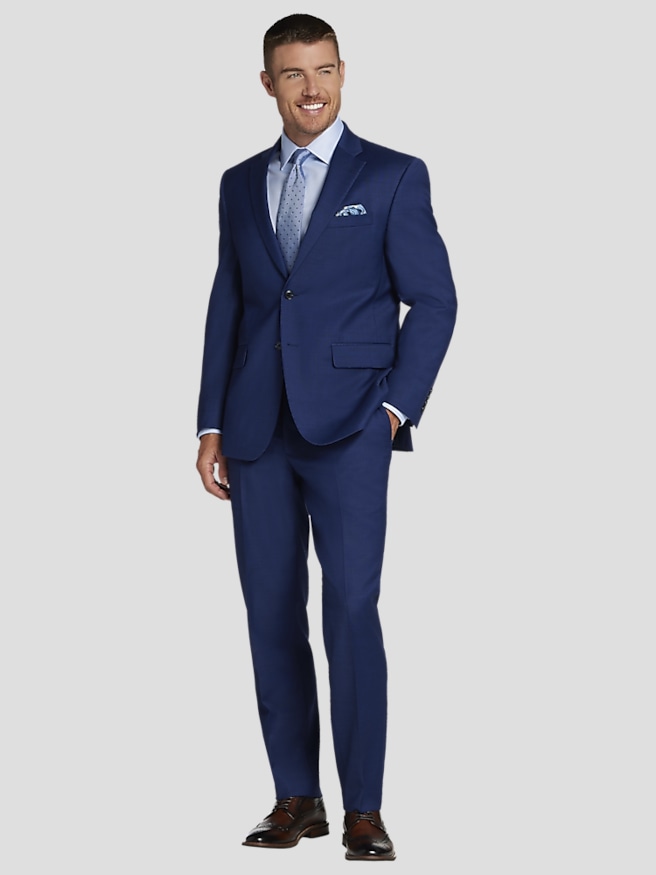
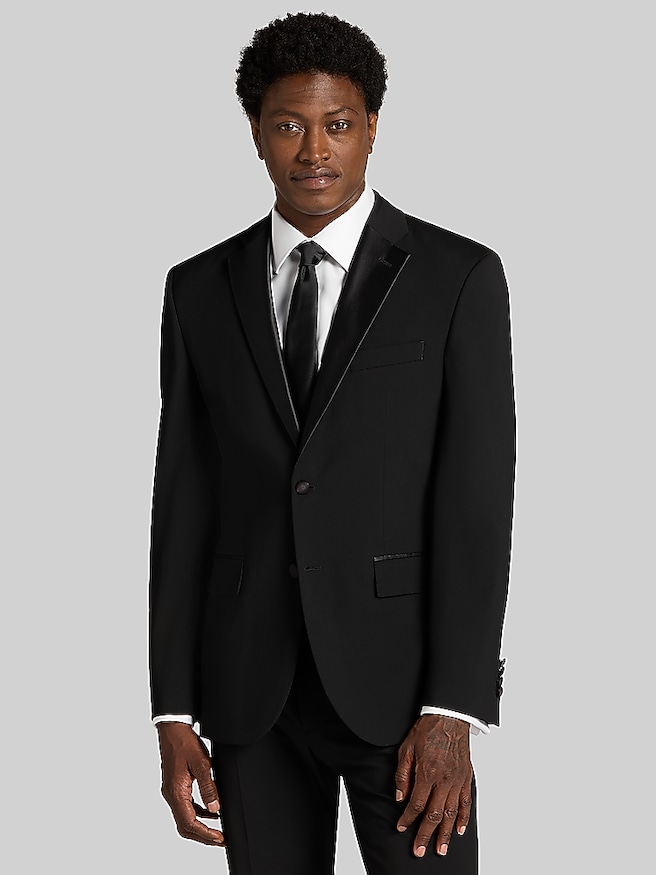
Semi-formal cocktail attire for men brings together tailored clothing, dress shoes, and considered accessories for occasions that call for more polish than everyday business casual without the ceremony of black tie. Semi-formal and cocktail dress codes overlap, but cocktail attire generally has a more celebratory, evening-oriented character. A tailored suit or a blazer with dress pants provides the foundation for either, while the invitation, venue, and host’s expectations help establish how dressy the finished outfit should feel. These clothes suit wedding receptions, engagement parties, milestone birthdays, anniversary dinners, and professional receptions where looking composed matters as much as feeling comfortable. Navy and charcoal are versatile starting points because they work with a broad range of shirt colors and leather accessories. A medium-gray suit can feel approachable at an afternoon celebration, while a dark, subtly textured suit carries a more dressed-up presence at a restaurant reception. Matching jacket and trousers create a continuous line; separates offer more room for contrast, such as a deep-blue blazer paired with gray dress pants. A crisp white or pale-blue dress shirt keeps either combination grounded. Ties are often appropriate and may be expected, even when the invitation leaves some flexibility. An open collar can work in a relaxed setting, provided the shirt holds its shape and the rest of the outfit remains tailored. For occasions with a more elevated dress expectation, Formal Cocktail Attire offers a related point of reference. The distinction is less about adding more accessories and more about the overall level of refinement: smooth fabrics, clean lines, restrained patterns, and well-maintained footwear. A guest arriving for a seated dinner may favor a coordinated suit and tie, while someone attending a creative-industry reception might choose a textured blazer and carefully pressed trousers. Both approaches can fit the theme when the pieces feel intentional rather than assembled from unrelated parts of a work wardrobe. The strongest combinations leave enough room for personal style without competing with the occasion itself.
Fabric and construction shape how semi-formal cocktail clothing looks after several hours of greetings, seated conversation, and time on the dance floor. Wool suiting is valued for its drape, breathability, and natural resilience, though performance varies with the weave and fabric weight. Fine worsted wool creates a smooth surface that pairs easily with a crisp dress shirt, while a lightly textured weave adds depth without relying on a bold print. Wool-blend fabrics may combine that tailored appearance with added stretch or easier maintenance, depending on their composition. Stretch can make movement more comfortable, but it cannot compensate for a jacket or trousers that are too small. Cotton dress shirts offer a familiar, breathable feel; a fine twill has a subtle diagonal texture, while poplin provides a flatter, cleaner finish. Easy-care treatments can help reduce wrinkling, although laundering and pressing requirements still depend on the garment label. Fit deserves equal attention because even understated clothing looks distinctive when its proportions are right. Jacket shoulders should sit close to the natural shoulder line without extending noticeably beyond it, and the collar should rest against the shirt rather than stand away from the neck. A buttoned jacket should follow the torso without pronounced pulling across the front. Sleeves that reveal a small amount of shirt cuff give the outfit a finished edge, while a jacket length that balances the torso and legs keeps the silhouette proportional. Slim, tailored, and classic fits describe general shapes, not consistent measurements across every garment, so shoulder width, chest room, seat, and thigh space remain more useful considerations than a fit label alone. Dress pants should stay comfortably at the waist and fall cleanly through the leg, with a slight break or minimal break at the shoe according to preference. Sitting through dinner should not require loosening the waistband, and reaching forward to greet someone should not make the jacket feel restrictive. Thoughtful alterations to sleeve length, trouser hems, or waist shaping can help turn a reasonable fit into one that feels natural throughout an event.
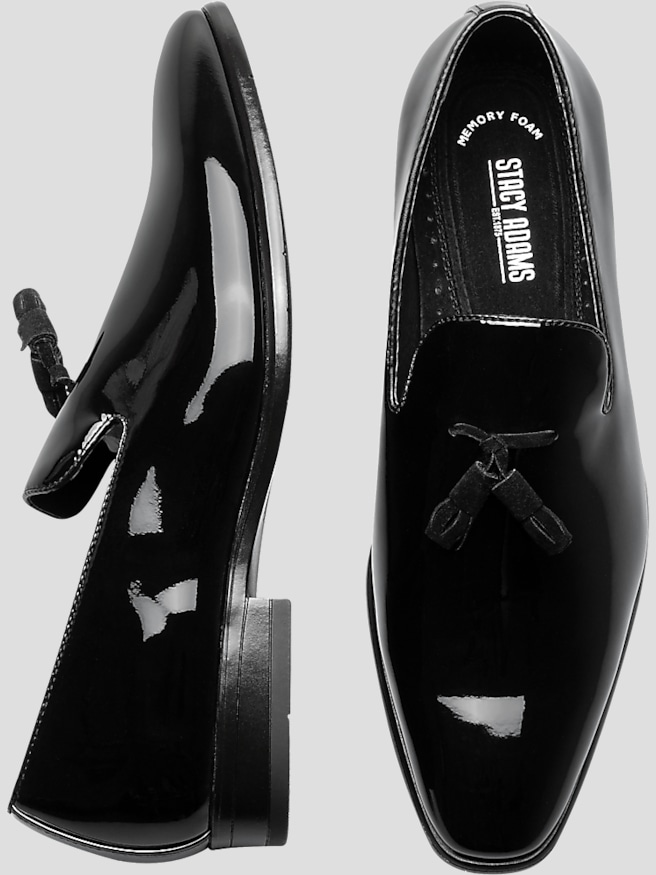
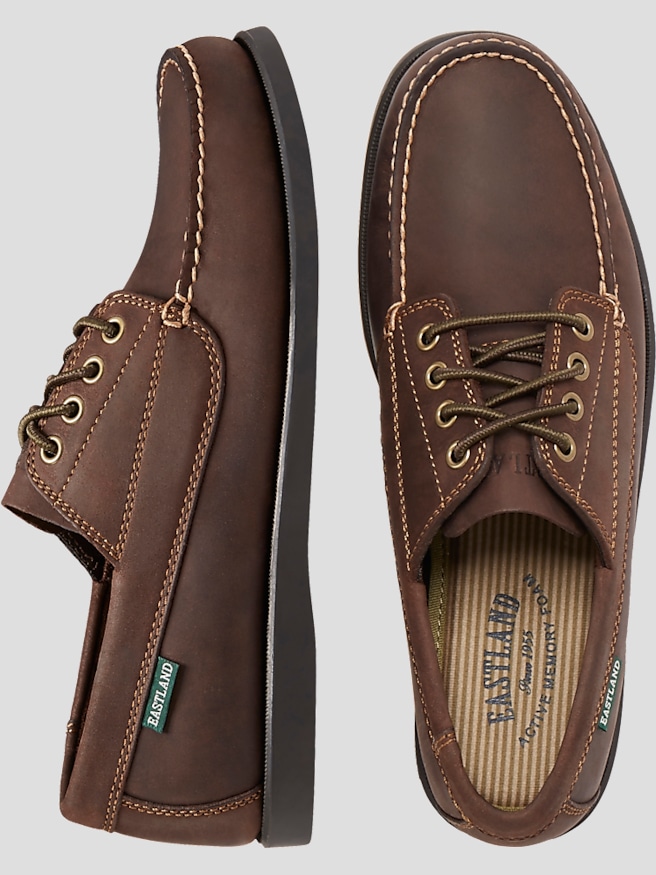
Shoes and accessories complete semi-formal cocktail outfits by adding finish without distracting from the tailoring. Leather oxfords have a sleek, structured appearance, while derbies offer a slightly more relaxed profile that still works well with suits and dress pants. Refined loafers can suit less traditional cocktail settings, especially when the shape is streamlined and the leather is well cared for. Black shoes create a crisp pairing with charcoal and dark suiting; dark-brown or burgundy leather can bring richness to navy and gray. Coordinating a belt with the general color and finish of the shoes helps the outfit feel cohesive, without requiring an exact match. Dress socks that relate to the trousers maintain a continuous line when seated, and a restrained pattern can introduce personality without becoming the focal point. A silk tie with a small repeating motif or subtle texture adds depth against a plain shirt. A pocket square works best as a complementary detail rather than a duplicate of the tie, and a simple watch can supply all the additional ornament an outfit needs. These accessories also make thoughtful gifts for a graduate attending professional receptions, a partner celebrating an anniversary, or someone building a wardrobe for weddings and special dinners; sizes and personal preferences matter more when choosing fitted clothing as a gift. Long-term usefulness comes from pieces that can move between occasions and remain presentable with appropriate care. Follow each garment’s care label, address spills promptly using a method suitable for the fabric, and avoid repeated cleaning that the clothing does not need. Structured jackets benefit from shaped hangers and space in the closet, while trousers retain a cleaner line when hung neatly rather than folded over a chair. Leather shoes last better with routine cleaning, suitable conditioning, and time to dry naturally between wears. Sound seams, secure buttons, and linings that allow easy movement are useful construction details to assess. Together, comfortable proportions, durable materials, and consistent upkeep make semi-formal cocktail attire a dependable part of a wardrobe built for meaningful occasions.