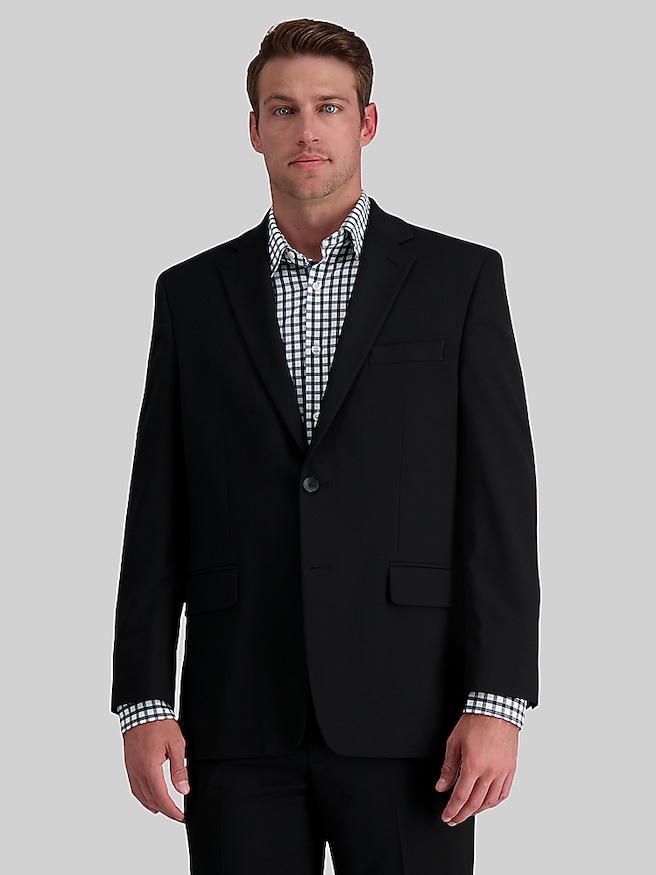
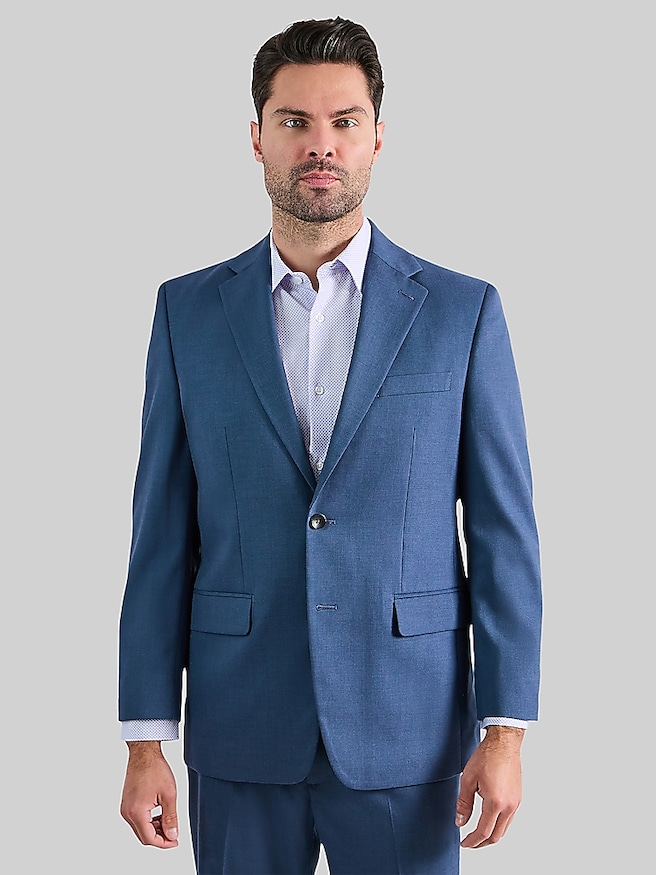
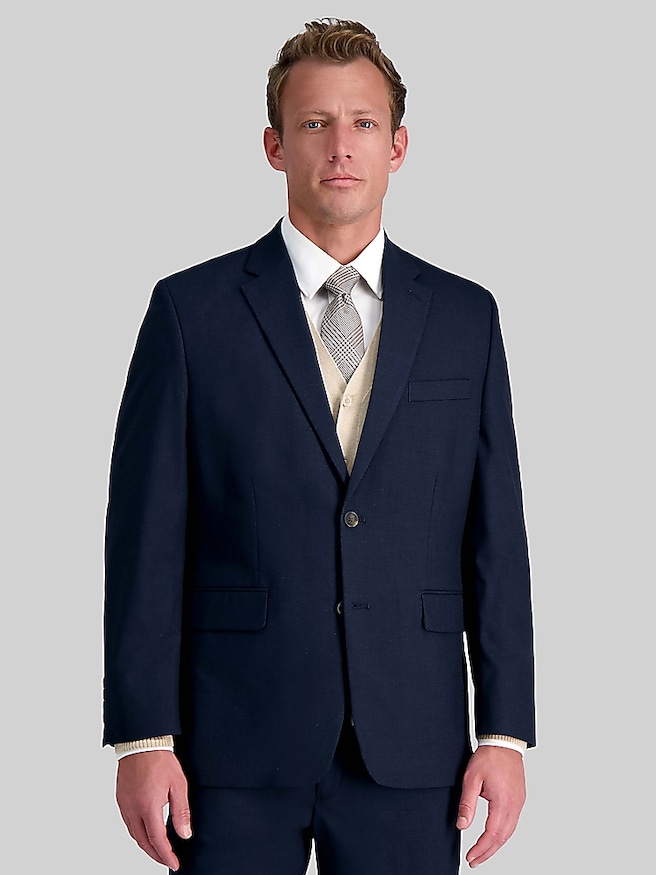
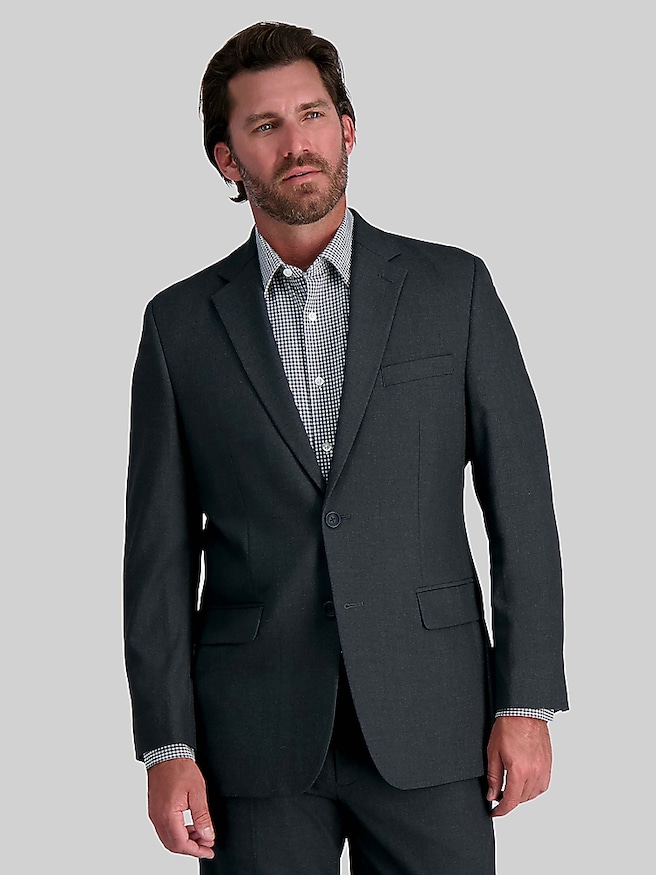
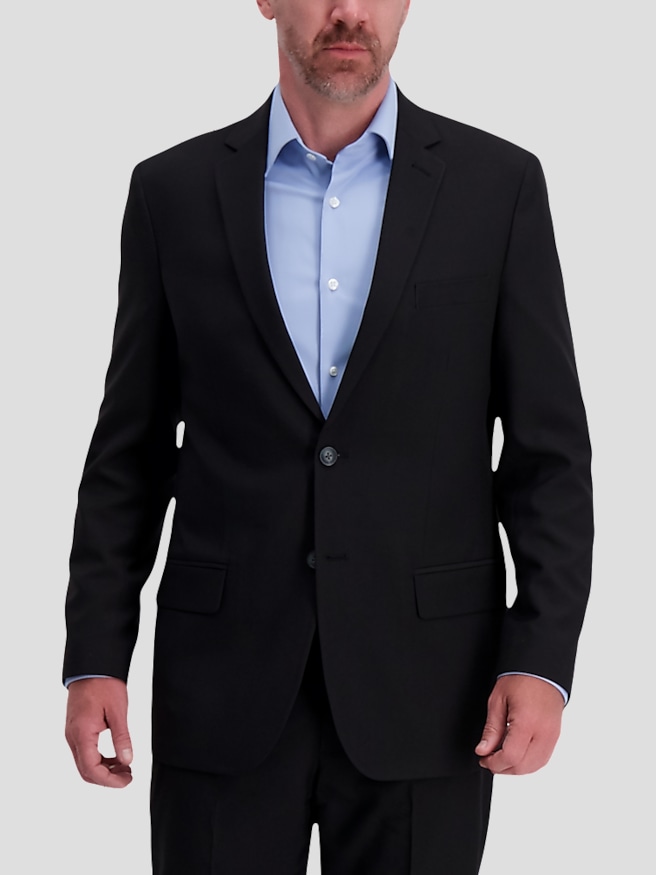
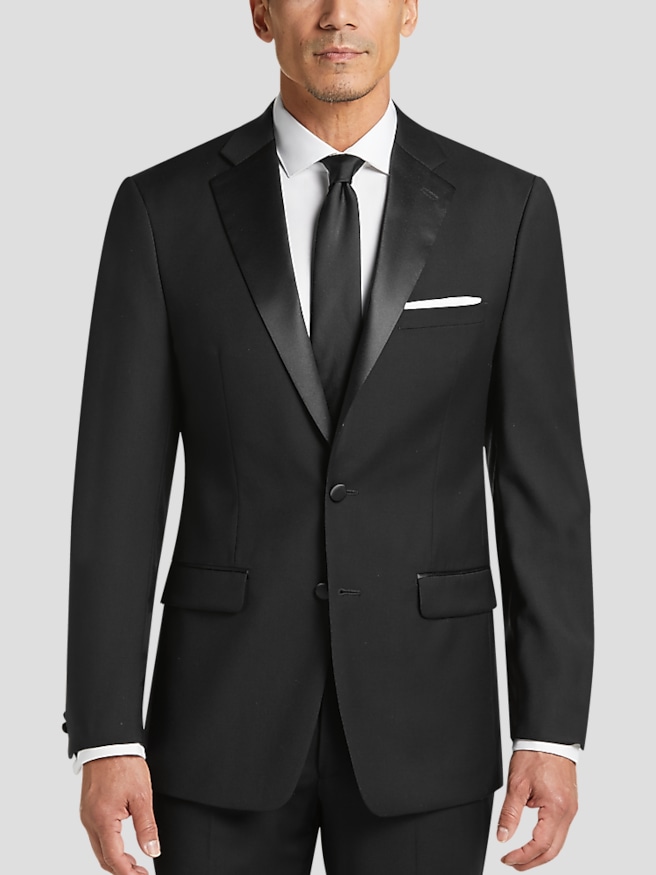
Formal clothing brings polish and purpose to the occasions that deserve more than everyday attire. Whether the invitation calls for black-tie dress, formalwear, or a more flexible evening look, the right outfit typically begins with a well-fitted foundation: a tuxedo or dark suit in a refined fabric, a crisp dress shirt, polished dress shoes, and accessories that complement rather than compete with the overall look. Tuxedos are traditionally defined by satin details on the lapels, buttons, and trouser stripe, and they are a natural choice for black-tie weddings, galas, formal receptions, and elegant evening celebrations. A dark suit in navy, charcoal, or black offers versatility for events with a formal or semi-formal dress code, especially when paired with a coordinating tie, pocket square, and leather shoes. The invitation should guide the level of formality, but fit remains just as important as color or fabric. Shoulder seams should sit close to the natural shoulder, the jacket should button without pulling, and trousers should fall cleanly with a slight break at the shoe. Sleeves should reveal a small portion of the shirt cuff, creating the neat, intentional finish associated with formal dressing. These details can make an outfit feel comfortable and natural rather than stiff or borrowed. For additional inspiration, explore Formal Fashion for a broader look at refined dressing and occasion-ready style. As the weather shifts through the cooler months, wool and wool-blend tailoring provide warmth while maintaining a smooth drape, while lighter formal fabrics can remain comfortable indoors under event lighting and crowded reception-room conditions. Darker shades tend to feel especially at home during the early fall and winter season, though a midnight blue or deep charcoal look can offer subtle distinction without stepping outside traditional expectations.
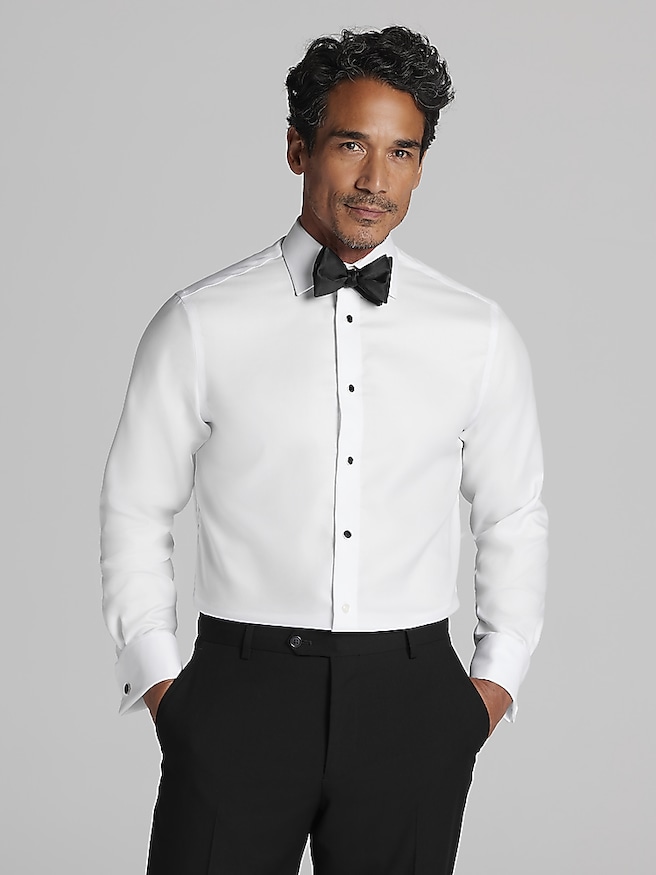
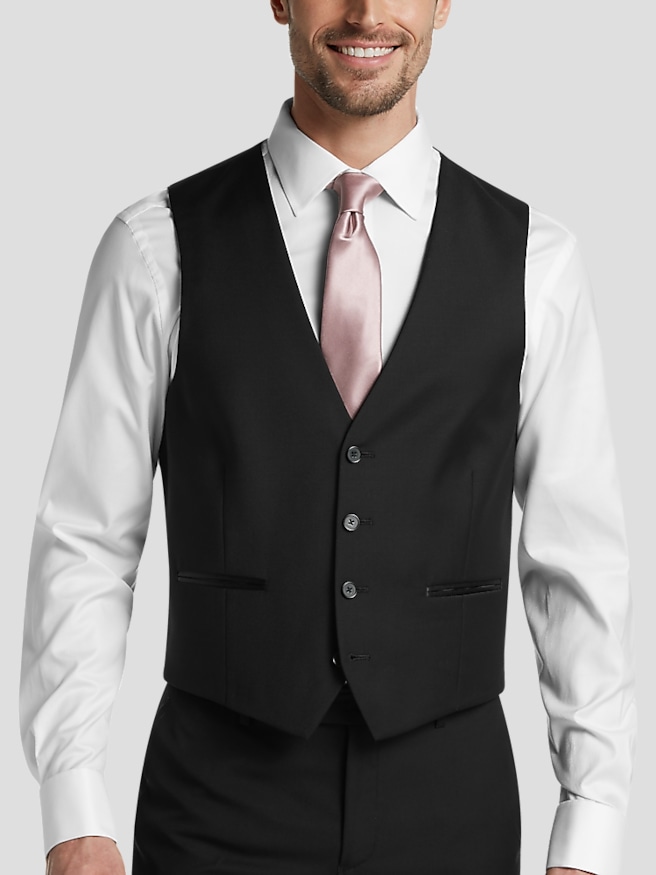
Choosing formal clothing is often a matter of balancing the event, the setting, and the way the wearer wants to feel when the room comes into view. A tuxedo may be the right choice for a ceremony followed by a candlelit dinner, while a dark two-piece suit can move easily from a daytime wedding to an evening reception. Three-piece styling adds a classic, structured appearance and can be especially useful when a jacket is removed later in the evening, since the vest keeps the outfit looking finished. When selecting a shirt, white remains one of the most dependable choices for formal occasions because it creates a clean contrast against dark tailoring and works with nearly any tie or pocket square. A pale blue or subtle pattern may suit a less traditional formal dress code, but understated details generally photograph well and remain appropriate across changing venues. Shoes should be clean, polished, and proportional to the tailoring; leather lace-ups, sleek slip-ons, and other refined dress styles can complete a formal outfit when they are in good condition and coordinated with the belt or other leather accessories. A bow tie is customary with a tuxedo, while a long tie offers more flexibility with a formal suit. Cuff links, tie bars, pocket squares, and dress socks can add personality, though choosing one or two distinctive touches usually creates a more confident effect than layering every accessory at once. I have seen the difference a proper hem and a carefully adjusted jacket can make: the wearer walks a little straighter, reaches for a glass without tugging at the sleeve, and spends the evening focused on conversation instead of the fit of his clothes. Alterations are worth considering when time allows, particularly for trousers, jacket sleeves, and the center back of a jacket. A formal outfit should allow comfortable movement for greeting guests, sitting through a ceremony, dancing, and standing for photographs without losing its clean shape.
Formal clothing can also be a thoughtful gift for someone entering a new stage of life or building a wardrobe for important occasions. A recent graduate, a new professional, a member of a wedding party, or a relative attending ceremonies and celebrations may appreciate clothing that serves beyond a single event. When shopping for another person, classic colors and adaptable pieces are often the safest choices, while details such as measurements, preferred fit, and the recipient’s usual style can make the gift feel personal. Someone who attends frequent celebrations may value a versatile dark suit that can be styled differently with shirts and ties, whereas a person invited to a black-tie event may need the distinctive elements of formal eveningwear. Formal clothing also makes sense for milestone birthdays, anniversary dinners, awards ceremonies, holiday gatherings, and professional events where a polished appearance communicates respect for the occasion. During the cooler months, a tailored overcoat, a restrained scarf, or a pair of elegant gloves can help preserve the look while traveling between a car, ceremony, and reception, without distracting from the clothing underneath. Care extends the life of formalwear: hang jackets on broad, supportive hangers, give garments room to air after an event, brush away surface lint, and follow the care label before cleaning or storing anything for an extended period. Keep shirts pressed, shoes conditioned, and accessories organized so the next invitation does not lead to a last-minute search. The best formal outfit is not necessarily the most elaborate one; it is the one that respects the dress code, fits well, suits the wearer’s personality, and remains comfortable from the first photograph to the final farewell.