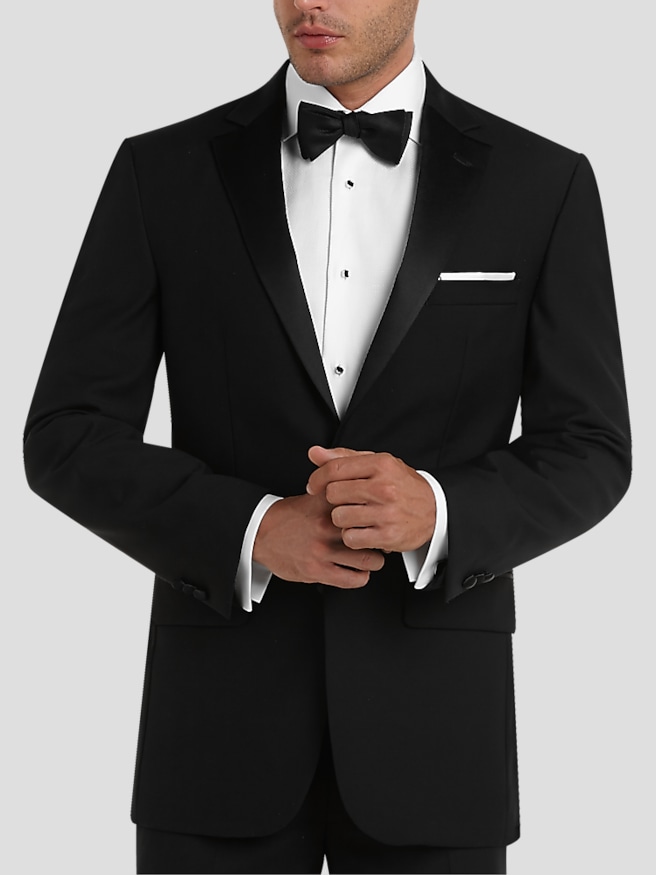
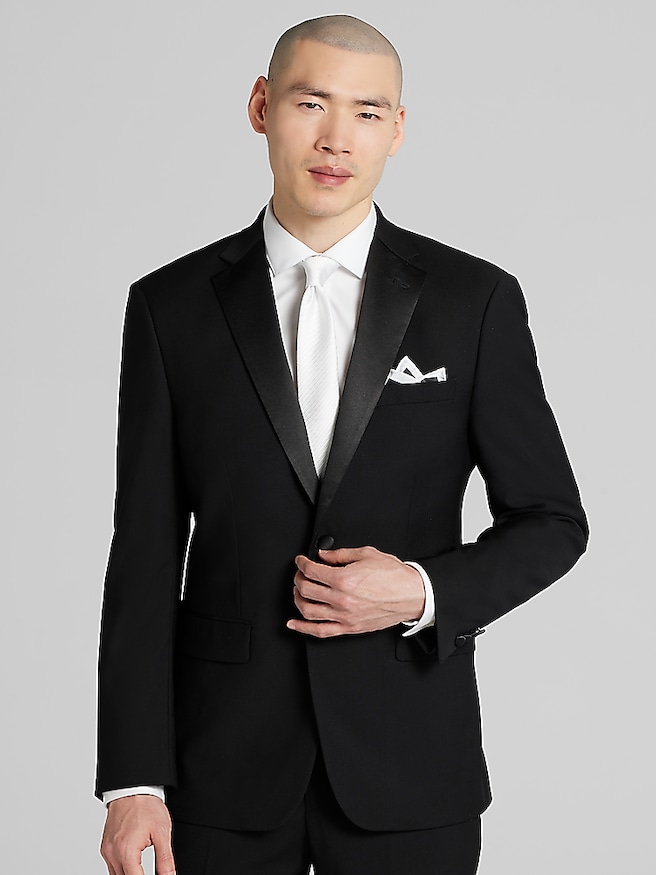
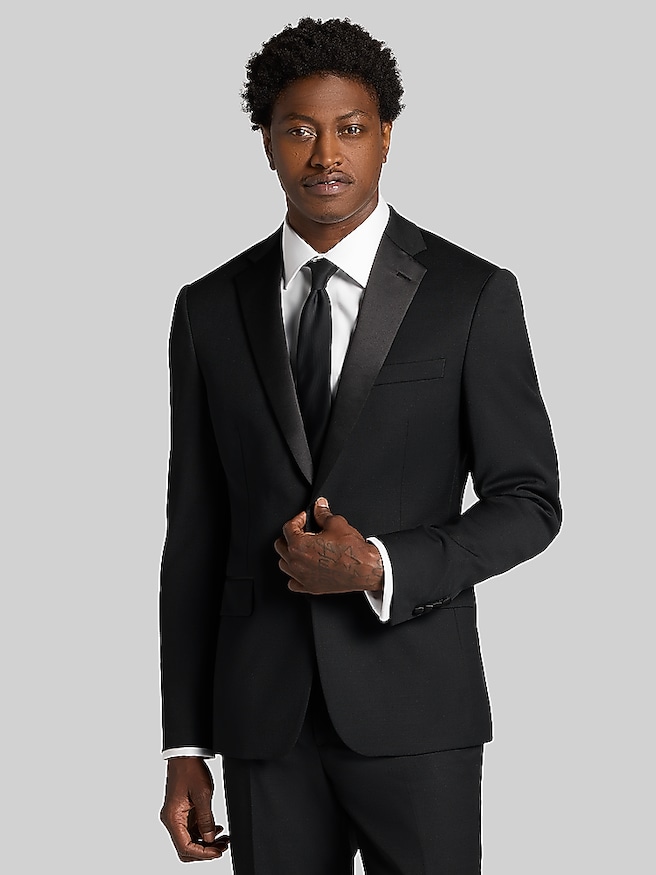
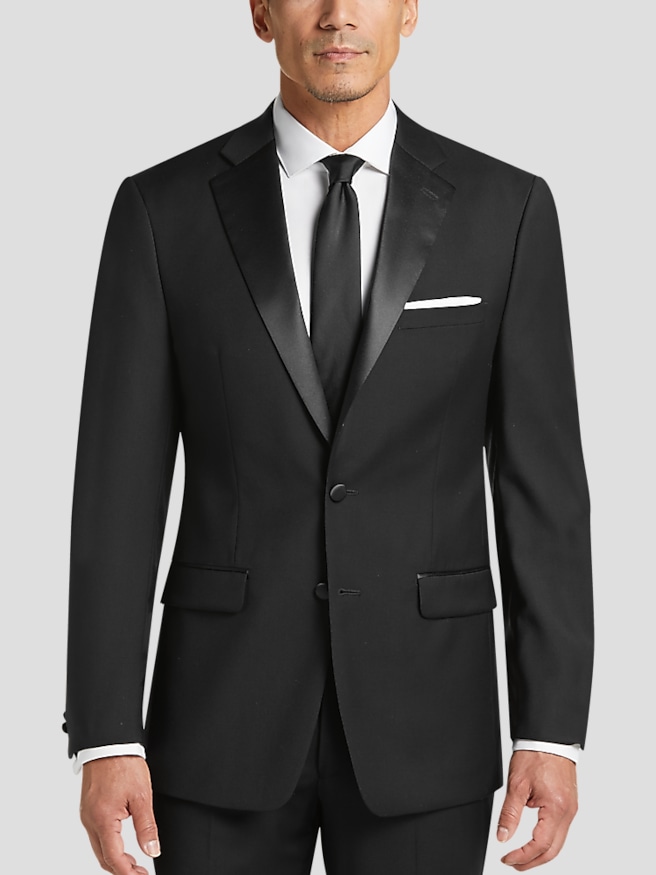
Formal fashion gives important occasions a sense of intention, whether the setting is a candlelit wedding reception, an evening gala, or a celebration in a grand hotel ballroom. The appeal lies in the relationship between shape, fabric, and detail: a clean shoulder line, trousers that fall smoothly, and a shirt collar that sits neatly beneath the jacket. Suits and tuxedos share that emphasis on structure, but they serve distinct purposes. A dark suit can suit many occasions that call for polished dress, while a tuxedo typically belongs at events with a black-tie dress code. Satin or grosgrain accents on tuxedo lapels introduce a subtle contrast that becomes especially noticeable under evening lighting. Black and midnight blue have an enduring place in formal dressing, while charcoal and deep navy offer versatility for occasions where a suit is appropriate. Texture can be just as expressive as color. A smooth wool fabric creates a crisp silhouette, while a restrained woven pattern adds interest at closer range without dominating photographs. For anyone drawn to streamlined shapes and understated details, Modern Formal Wear offers a complementary perspective on dressing for significant events. The strongest combinations make sense as a whole, with lapel proportions, shirt collars, neckwear, and footwear supporting the same level of formality. A bow tie and a carefully folded pocket square bring distinction to a tuxedo; a silk tie and polished lace-up shoes can give a dark suit the right finish for a formal dinner. Guests, hosts, wedding party members, and graduates may approach these clothes with distinct needs, yet all benefit from an outfit that looks composed without demanding constant adjustment. During the cooler months, a properly sized overcoat helps preserve that silhouette on arrival, with enough room to cover a jacket comfortably rather than compressing its shoulders or pulling across the chest. A quiet palette also lets small personal choices, such as cuff links or a textured tie, feel considered rather than distracting.
Fabric and fit influence how formal clothing feels over the full length of an event, not simply how it looks in a fitting-room mirror. Wool is valued for its drape, breathability, and natural resilience, although weight and weave affect how warm or airy a garment feels. A lighter wool can be comfortable in a crowded reception space, while a more substantial cloth brings body and warmth when the evening includes time outdoors. Wool blends may offer added strength or stretch, depending on their composition, and a modest amount of stretch can ease movement when sitting through dinner or stepping onto a dance floor. That flexibility should support a good fit, not compensate for a jacket or pair of trousers that is too tight. At the shoulders, the jacket should follow the body without pronounced overhang or visible strain. The chest should lie smoothly when the jacket is buttoned, and the lapels should rest flat rather than bow outward. Sleeve length deserves equal attention: a small glimpse of shirt cuff creates a deliberate finish, while sleeves that cover the hands can make an otherwise well-proportioned outfit look oversized. Trousers should sit securely at the intended waist position, with enough room through the seat and thighs to sit comfortably. The hem may have little break or a more traditional soft fold over the shoe, but excess fabric pooling around the ankle interrupts a clean line. A taller frame may benefit from balanced jacket length and lapel width, while a shorter frame often looks strongest with carefully controlled proportions rather than an excessively cropped jacket. Shirt fit matters beneath those layers, too. A collar should close comfortably with neckwear in place, and the fabric should allow easy movement across the upper back. Trying the complete outfit while seated, standing, and reaching forward reveals pressure points that a still pose can hide. Tailoring adjustments can refine sleeves, hems, and waist shape, though substantial shoulder changes are more complex.
The finishing pieces bring practical comfort as well as visual polish. A cotton dress shirt offers a breathable foundation, with weave affecting both texture and opacity; smooth poplin has a crisp appearance, while twill introduces a subtle diagonal texture and often a softer drape. Neckwear works best when its scale relates to the jacket and shirt, allowing the knot or bow to sit securely without overwhelming the collar. A pocket square can echo a tone elsewhere in the outfit without matching the tie exactly, creating depth instead of a uniform block of color. Dress socks that remain high enough to cover the leg while seated help maintain a continuous line between trousers and shoes. Footwear should reflect the dress code, but comfort matters when an evening involves a receiving line, a long ceremony, or several hours on a hard ballroom floor. A secure heel, adequate toe room, and a sole suited to the setting all contribute to a more comfortable experience. Wearing dress shoes briefly before an important event can reveal rubbing or stiffness while there is still time to address it. Long-term durability depends on both construction and care. Secure buttons, tidy seams, and a lining that does not pull during movement are useful details to examine. After wearing, a jacket benefits from airing out on a broad, shaped hanger, while trousers can be hung neatly to help preserve their crease. Care labels should determine the cleaning method; unnecessary cleaning can add wear, and stains are best addressed promptly with treatment appropriate to the fabric. Heat and steam also require care around decorative finishes, linings, and structured areas. Clean, fully dry garments stored with breathing room are better protected from crushing and trapped moisture. For gift giving, ties, pocket squares, and cuff links can mark a graduation, wedding, or career milestone without requiring the precise sizing of a tailored garment. Chosen with the recipient’s wardrobe and occasions in mind, these details can become familiar companions at celebrations for years to come.