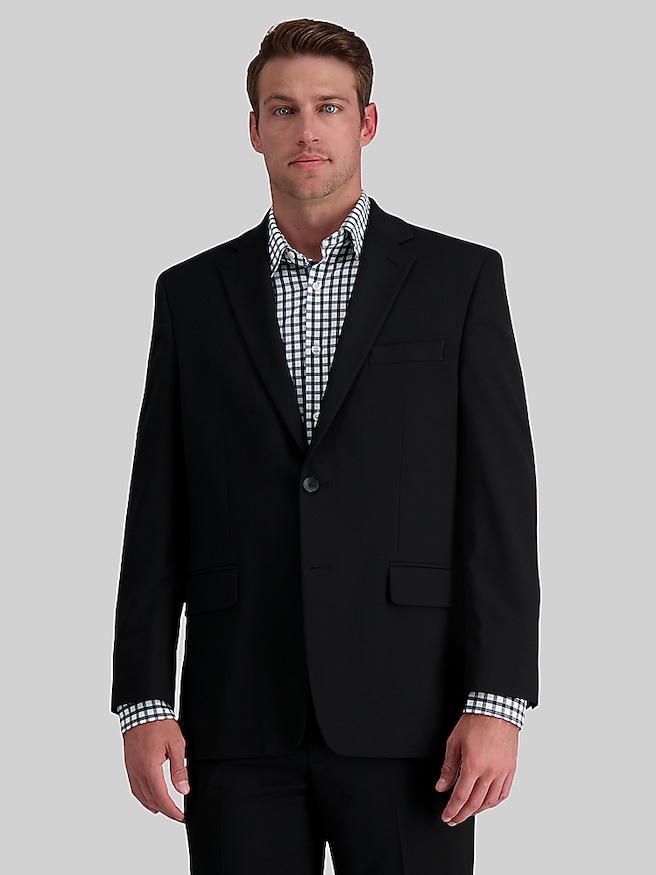
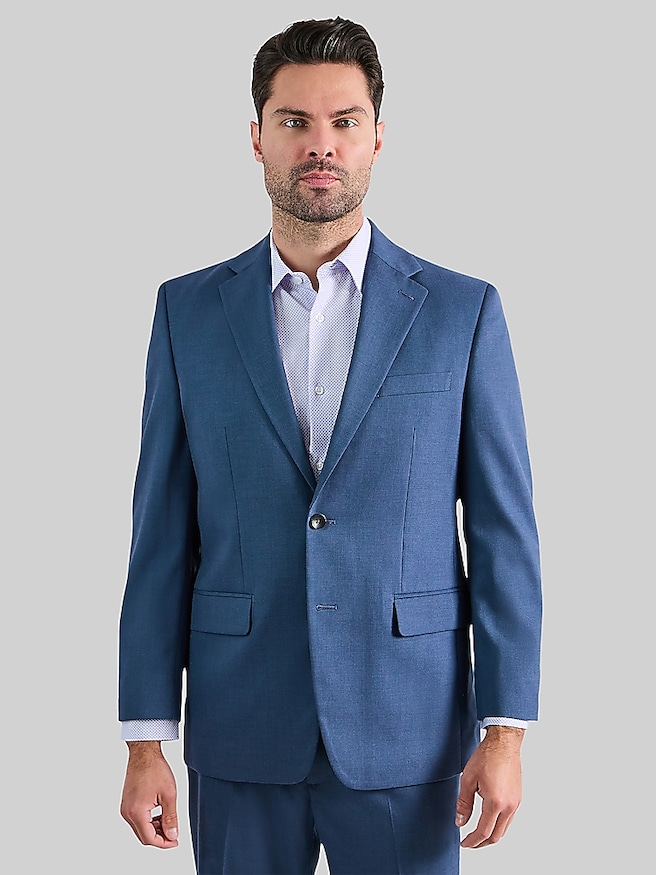
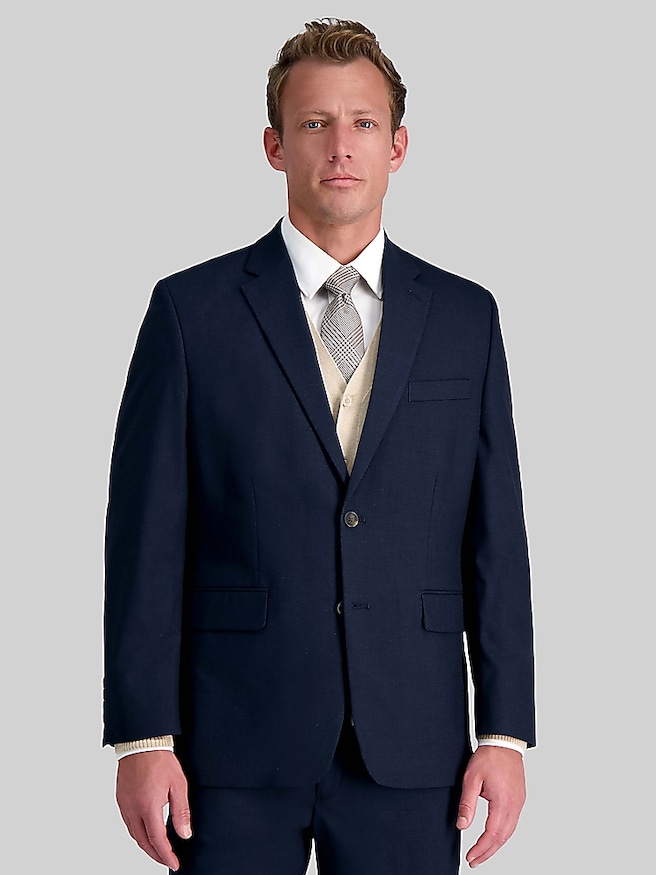
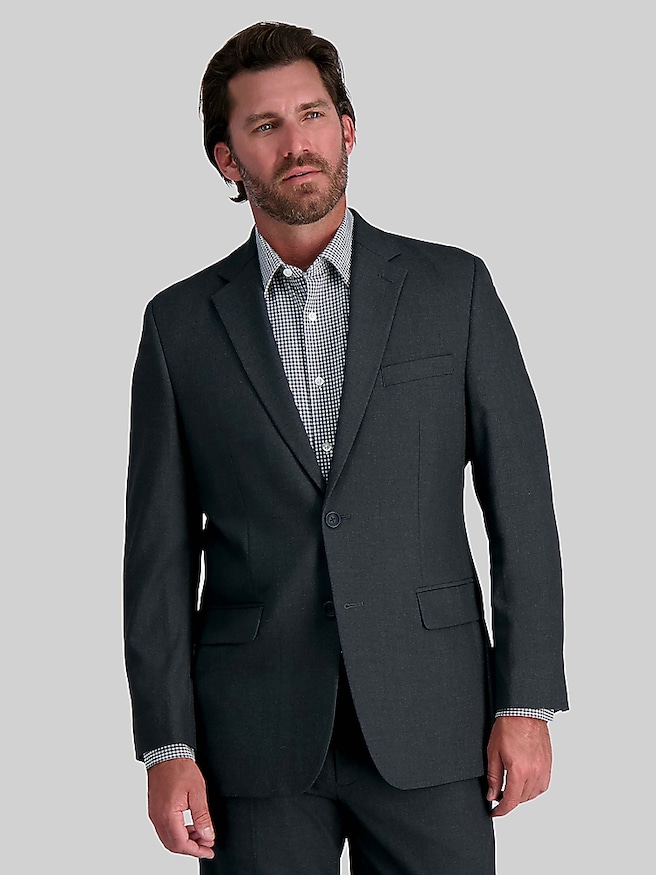
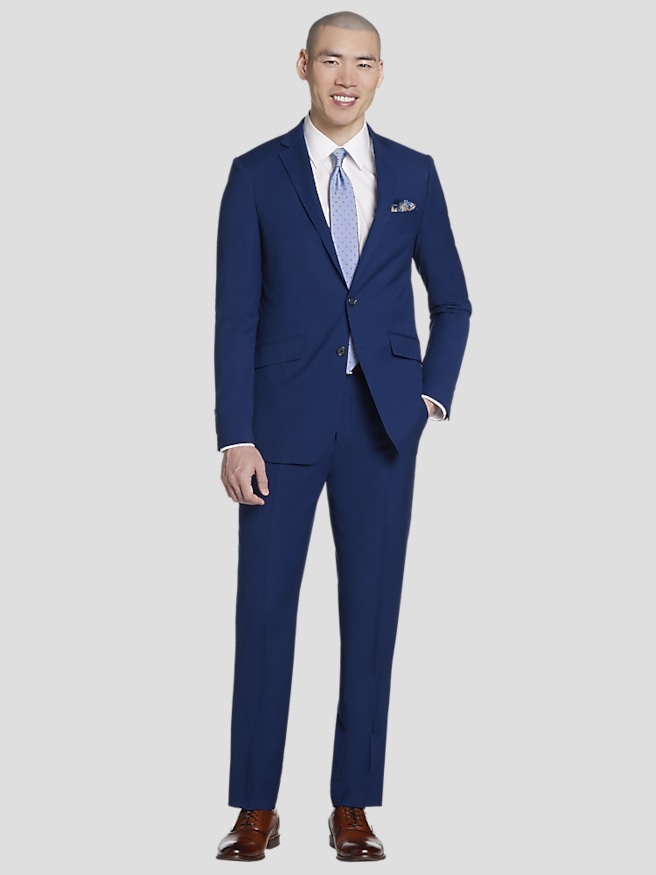
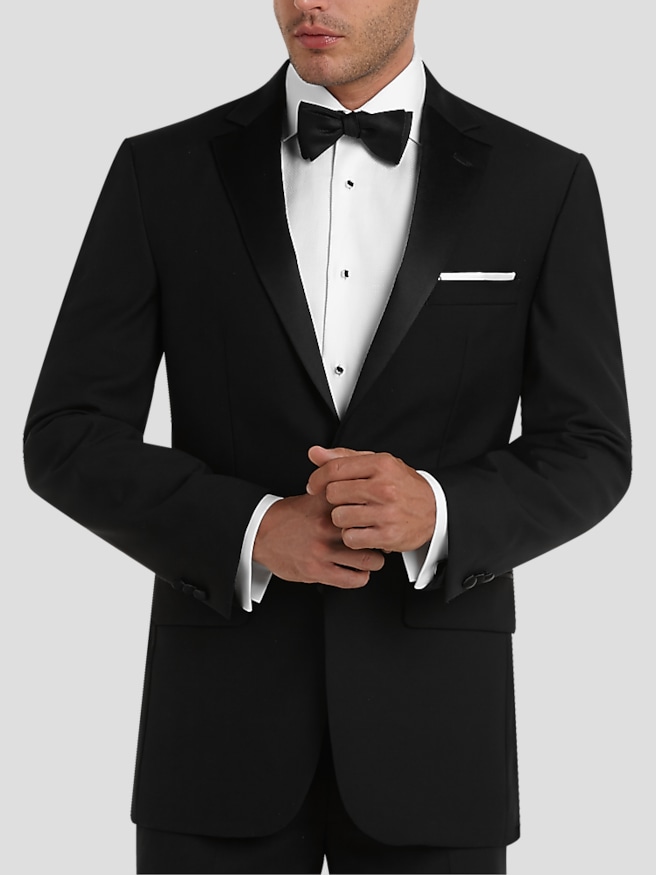
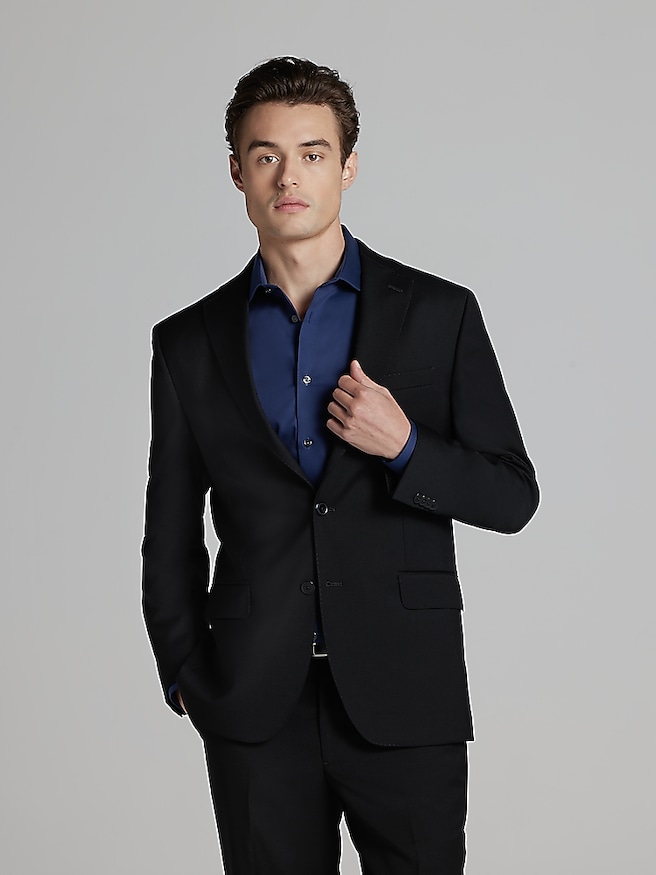
Adult formal wear brings together polished clothing for occasions where presentation matters, from wedding ceremonies and evening receptions to galas, milestone celebrations, formal dinners, theater performances and professional events with an elevated dress code. The right choice depends on the invitation, venue, time of day and the level of formality expected. For black-tie occasions, a traditional tuxedo with a crisp dress shirt, bow tie and well-finished shoes creates the familiar, refined look associated with formal eveningwear. Black, midnight blue and other deep, understated shades are dependable choices, while a sharply tailored white dinner jacket can offer a distinctive option in settings where it suits the dress code. For black-tie optional events, a tuxedo remains appropriate, while a dark two-piece or three-piece suit can provide a similarly composed appearance. Navy, charcoal and black suits are versatile foundations, especially when paired with a clean dress shirt, conservative tie, polished belt and coordinating footwear. Fit is often more important than color or ornamentation. A jacket should lie smoothly across the shoulders, sleeves should reveal a small portion of the shirt cuff, and trousers should fall cleanly without excessive pooling at the shoe. A properly fitted waist, a balanced jacket length and trousers with a neat break can make an outfit feel comfortable and intentional from the first photograph to the final dance. Those preparing for several events may find value in a classic dark suit or tuxedo that can be styled in different ways, while someone attending one especially formal celebration may prefer the complete structure of traditional eveningwear. For guidance centered on classic suiting and event-ready coordination, explore Formal Wear For Men.
Formal wear is not limited to one silhouette or one way of dressing. Floor-length and ankle-length gowns in flowing, structured or softly draped fabrics can suit galas, formal weddings and evening celebrations, with satin, chiffon, lace and beaded details each creating a different impression. Dressy separates, tailored blazers with wide-leg trousers, refined skirts and sophisticated jumpsuits offer modern alternatives for anyone who prefers flexibility, ease of movement or a less traditional outline. When selecting an outfit, consider how the fabric behaves under indoor lighting and in photographs, how much movement the event requires and whether the clothing will be worn for several hours. A ceremony followed by dinner and dancing calls for comfort as well as elegance; breathable lining, secure closures, a manageable hem and shoes that can be worn confidently throughout the evening all make a practical difference. Color can reflect the setting while still feeling timeless. Deep neutrals, jewel tones and rich, muted shades work naturally during the cooler months, while lighter tones and subtle texture can bring softness to daytime formal events. Accessories should support the clothing rather than compete with it. A simple pocket square, understated jewelry, a refined clutch, a dress watch or a carefully chosen tie can complete the look without making it feel overworked. Formal clothing can also be a thoughtful gift for a graduate beginning a career, a family member preparing for a wedding, or someone building a wardrobe for ceremonies, fundraisers and celebrations that call for more than everyday business attire. Because sizing and personal taste vary, gifts are often most useful when chosen with attention to measurements, preferred colors, comfort needs and the recipient’s typical occasions.
A polished formal look is built through the details people notice only when they are right: a collar that sits neatly, a hem that meets the shoe at the proper point, buttons that remain secure, and fabric that holds its shape after sitting, standing and moving through a crowded room. Before an event, try the complete outfit together, including undergarments, hosiery, shoes and accessories, so adjustments can be made before the day arrives. This is especially helpful when formal clothing will be tailored, rented or worn with layers during cooler weather. A final fitting should allow room to sit comfortably without pulling at the jacket or waistband, while sleeves and trouser lengths should be checked with the actual shoes intended for the occasion. Keep the event’s wording in mind: “black tie” generally calls for a tuxedo or equally formal evening attire, “black-tie optional” allows either a tuxedo or a dark formal suit, and “formal” can accommodate a wider range of elegant dresses, dressy separates, suits and eveningwear depending on the venue. Clothing chosen for a wedding may need to complement the celebration without overshadowing the wedding party, while attire for a gala or formal fundraiser can allow more texture, shine or distinctive accessories. During the cooler months, a tailored overcoat, dress-appropriate outer layer or neatly coordinated wrap can preserve the formality of the outfit from the car to the entrance. With thoughtful attention to dress code, fit, fabric, color and comfort, adult formal wear can serve as a reliable foundation for meaningful occasions and remain useful well beyond a single evening.