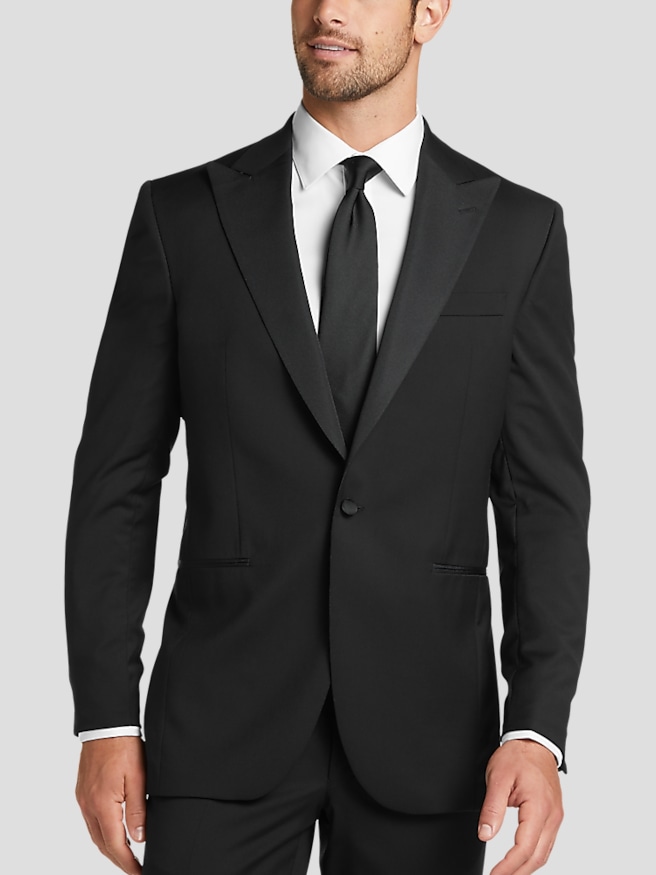
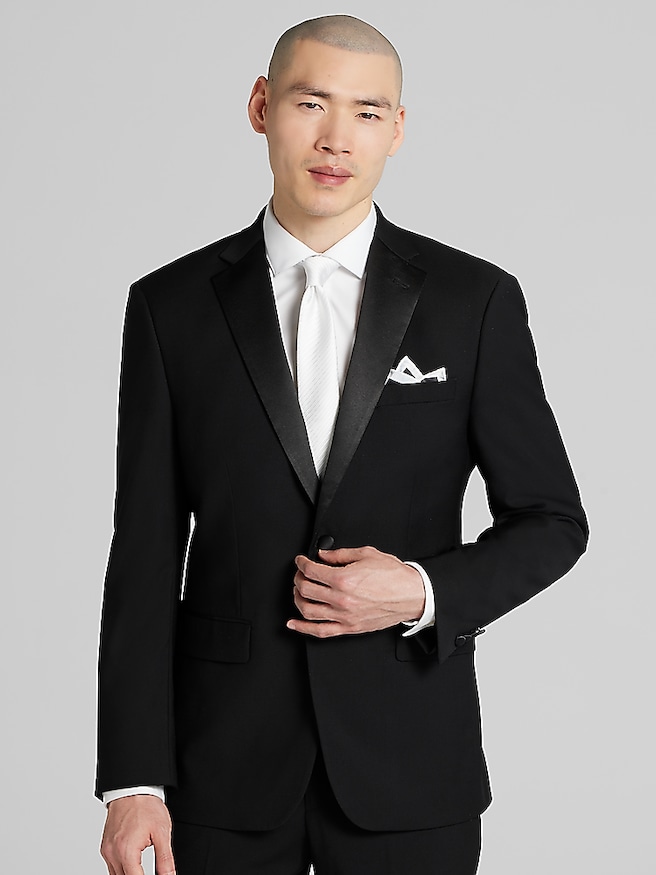
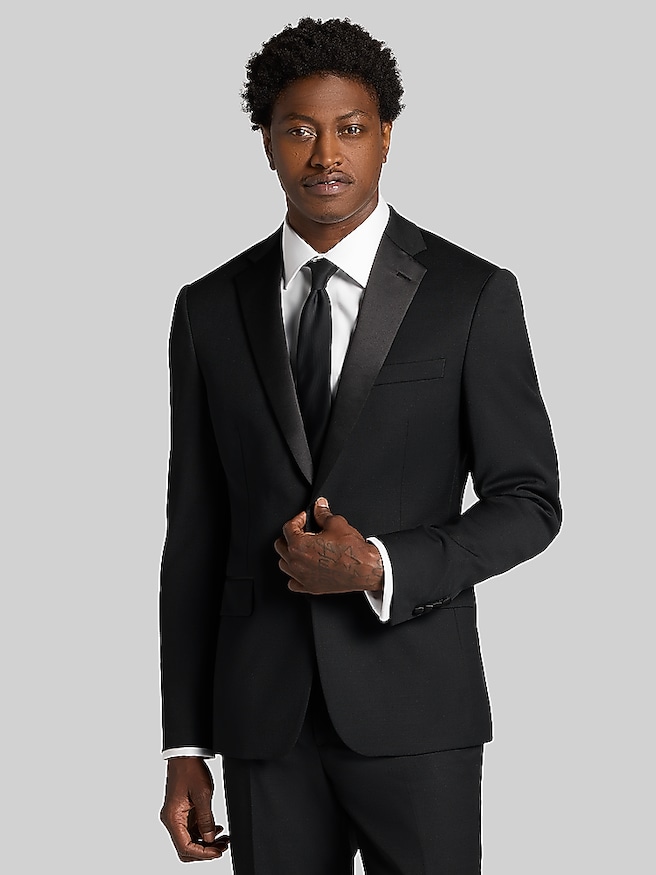
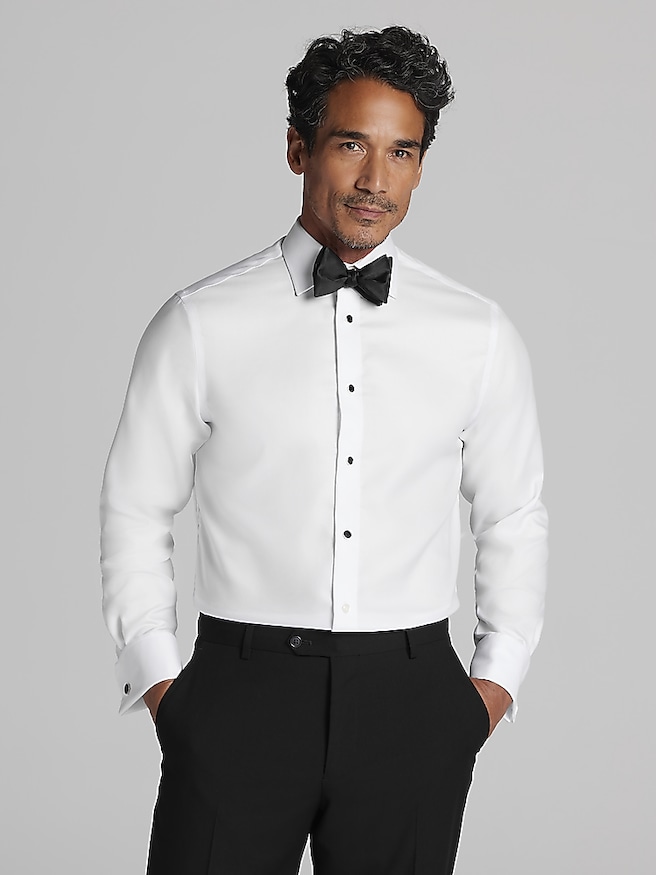
Formal wear for men centers on tailored clothing and refined accessories suited to occasions with a defined dress code, from weddings and galas to awards ceremonies and ceremonial dinners. The level of formality determines the foundation of the outfit. White tie is the most formal evening dress code, traditionally calling for a black tailcoat, matching formal trousers, a white waistcoat, and a white bow tie. Black tie typically calls for a tuxedo, a formal shirt, and a black bow tie, with a cummerbund or an appropriate low-cut waistcoat completing the traditional look. Black tie optional allows either a tuxedo or a dark suit with a dress shirt and conservative tie. Cocktail and semiformal dress codes generally point toward a suit rather than a tuxedo, although the invitation and setting help establish the expected level of polish. Daytime ceremonies that specify morning dress follow a separate tradition built around a morning coat and formal trousers. These distinctions give formal clothing its purpose: the outfit reflects the significance of the occasion without drawing attention away from it. Tuxedos are distinguished from business suits by details such as satin or grosgrain lapel facings and, often, a matching stripe along the outside of the trouser leg. A dark suit has a less ceremonial character and can move between milestone celebrations and professional occasions with a change of shirt and accessories. Black and midnight blue are established choices for evening formalwear, while charcoal and deep navy give suits a similarly composed appearance. Within Adult Formal Wear, the relationship between cut, fabric, and finishing details matters more than decorative excess. A groom standing at the altar, a guest arriving at a benefit dinner, and an honoree walking across a stage may need distinct interpretations of formal dress, but each benefits from clothing that looks intentional from the first greeting through the final photograph.
Fit gives formal attire much of its presence. A jacket should sit cleanly across the shoulders, with the collar resting close to the shirt and the lapels lying flat against the chest. Pronounced pulling around the fastening, a collar gap, or sleeves that cover the hands can interrupt an otherwise polished silhouette. Slim, modern, and classic fits describe different proportions rather than different levels of formality; the most suitable shape depends on the wearer’s build, preferred ease, and comfort. A close silhouette still needs enough room for a handshake, an embrace, or an evening of dancing, while a fuller cut should look deliberate rather than oversized. Trousers work best when the waistband sits securely and the fabric falls smoothly through the seat and thigh. The amount of break at the shoe changes the impression: a slight break creates a traditional finish, while little or no break gives the line a sharper appearance. Hem length is especially noticeable when formal shoes have a sleek profile. Shirts contribute both structure and comfort, with a collar that accommodates the chosen neckwear and sleeves that allow a small amount of cuff to show beneath the jacket. Formal shirt fronts may be plain, pleated, or textured, and some are designed for studs and cufflinks. Accessories look most assured when their finishes and proportions relate to the outfit. A bow tie that suits the collar, a pocket square folded without excessive bulk, and polished footwear keep the overall effect balanced. Traditional tuxedo trousers are commonly worn with side adjusters or suspenders rather than a belt, preserving an uninterrupted waistline. For someone spending hours seated at a dinner before moving to a dance floor, comfortable rise, sleeve mobility, and well-fitting shoes have practical value beyond appearance. These small points of proportion allow the wearer to participate naturally in the occasion instead of repeatedly adjusting a collar, waistband, or jacket.
Fabric and construction influence how formal clothing drapes, feels, and holds its shape through repeated wear. Wool is a longstanding choice for suits and tuxedos because it combines a refined surface with natural resilience and the ability to release many wrinkles between outings. Worsted wool often produces the smooth, defined lines associated with traditional tailoring, while wool blends can offer different balances of texture, stretch, and ease of care. Fabric weight and weave affect the way a jacket hangs and how comfortably an outfit wears over several hours; a lighter cloth does not automatically mean a better fit or greater durability. Silk and silk-blend accents can add depth to lapels and neckwear, although their surfaces deserve careful handling. Cotton dress shirts offer a crisp foundation, and textured weaves can introduce subtle interest without competing with the jacket. Linings, secure buttons, neatly finished seams, and reinforced stress points also contribute to lasting wear. Care is part of preserving that investment in appearance. The garment’s care label takes priority, especially when an outfit combines wool, contrasting lapel facings, and structured internal components. Airing garments after use, brushing away surface dust with an appropriate clothing brush, and hanging jackets on supportive hangers help maintain their shape. Trousers benefit from careful hanging along their crease, and clothing should be clean and fully dry before longer storage in a breathable garment bag. Professional cleaning is best matched to the fabric, condition, and care instructions rather than treated as an automatic step after every outing. Formal accessories can also make thoughtful gifts for a graduate, a groom, or someone attending an important celebration, particularly when the recipient’s dress code and taste are known. Clothing itself requires more attention to measurements and tailoring preferences. Whether intended for one especially meaningful event or a recurring place in a wardrobe, well-considered formal wear brings together appropriate styling, comfortable movement, and details that remain composed at close range and across a crowded room.