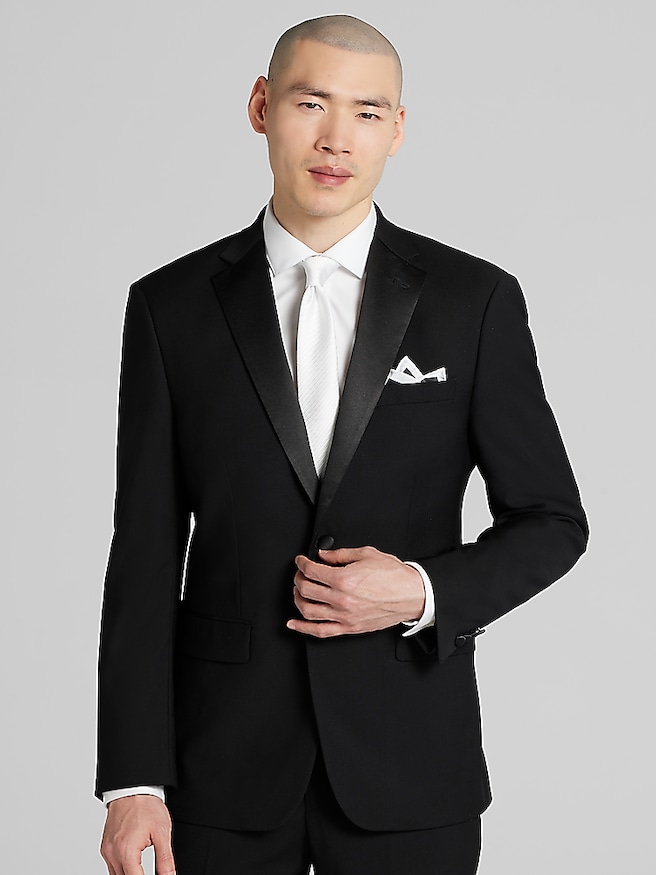
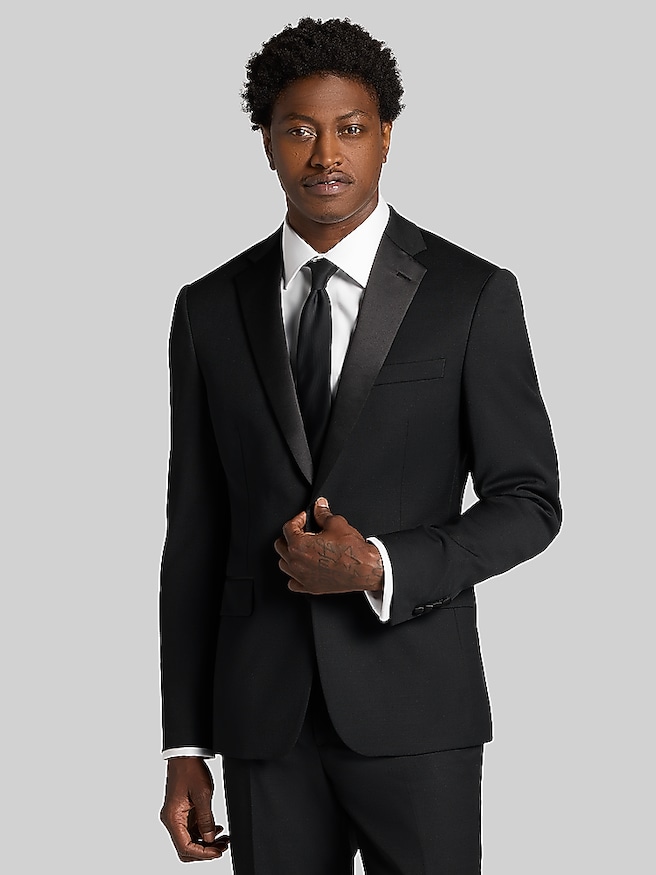
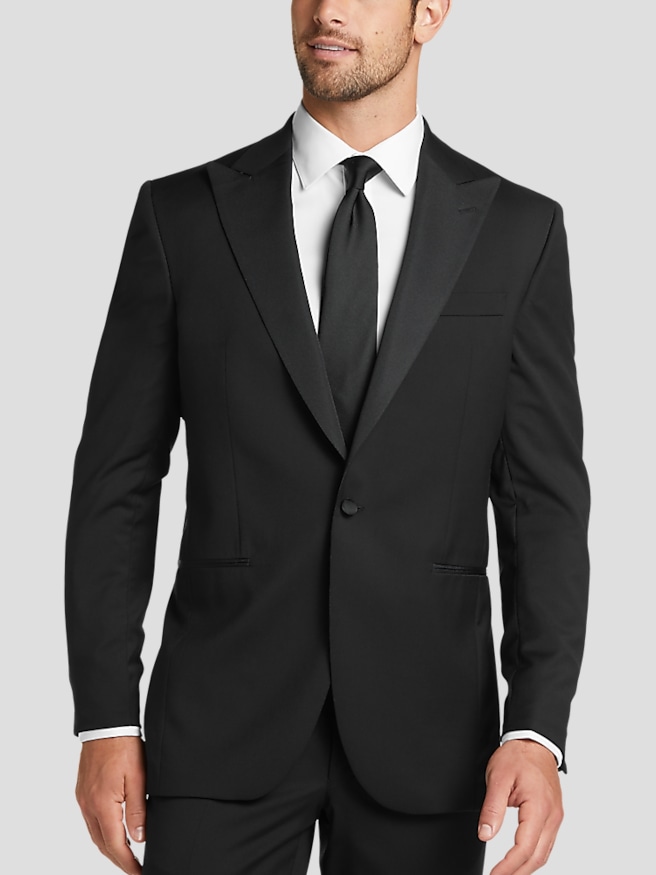
Modern formal dress for men pairs the structure of classic tailoring with balanced proportions, comfortable movement, and details that feel intentional rather than elaborate. The result is a polished appearance suited to weddings, galas, awards ceremonies, and other occasions where clothing helps set the tone. A well-shaped jacket, trousers that hang cleanly, and a crisp shirt establish the foundation; lapel shape, fabric texture, and accessories give that foundation its character. Modern does not have to mean unusually tight, boldly patterned, or stripped of tradition. A slightly roomier trouser can look sharp when the waist sits securely and the leg follows a controlled line, just as a close-fitting jacket can look elegant when it leaves enough space to button without pulling. The invitation remains the best reference for the level of formality. Black tie generally calls for a tuxedo, formal shirt, bow tie, and appropriate dress shoes, while a formal occasion that permits suits leaves more room for a dark tailored ensemble. Black and midnight blue have an established place in evening formalwear; charcoal and deep navy offer versatility for suit-appropriate celebrations and professional events. Rich brown, deep green, or a subtle tonal pattern can express personal style when the setting welcomes a less traditional approach, but color alone does not make an outfit formal. Satin lapel facings, covered buttons, and a matching trouser stripe distinguish traditional tuxedo styling from ordinary business tailoring. For a broader look at these established categories, Formal Wear For Men provides a useful connection between classic occasion dressing and contemporary preferences. An unstructured jacket or fine knit layer may work beautifully at a creative reception, yet neither automatically meets a strict formal dress code. The strongest modern looks respect that distinction: they bring ease and personality to the occasion without losing the refinement the setting requires. In photographs, that restraint often reads more clearly than a collection of competing statement details.
Fabric and fit shape how formal clothing looks after several hours of wear, not just during the first glance in a mirror. Wool is valued for its drape, breathability, and natural resilience, with many woven wool fabrics recovering well from ordinary creasing when given time to rest. A smooth worsted finish creates a clean, defined surface that complements precise tailoring, while a fabric with more visible texture can soften the impression of a suit. Blended fabrics may add stretch or improve wrinkle resistance, though performance depends on the fiber mix, weave, and construction rather than the label alone. Linen has an appealing texture and a characteristic tendency to crease, making it better suited to occasions that accept a more relaxed interpretation of dressing up. Velvet creates depth through its pile and can give an evening jacket a distinctive presence when the dress code allows it. Fabric weight matters, too: a cloth with enough body can support a strong trouser line, while a more fluid fabric may emphasize movement. Inside the jacket, the lining and internal structure affect how it settles over the chest and shoulders. Fit should support the body without forcing it into an exaggerated silhouette. Shoulder seams should sit near the natural shoulder edge, lapels should lie flat, and the buttoned front should avoid pronounced horizontal pulling. A modest glimpse of shirt cuff gives the sleeve a deliberate finish. Trousers should stay comfortably in position, offer room through the seat and thigh, and meet the shoes with a hem length that suits the cut. Sitting through a ceremony, reaching across a dinner table, and walking up a staircase reveal restrictions that standing still can hide. Stretch can help with movement, but it cannot correct a poorly shaped shoulder or an overly tight rise. Thoughtful alterations to sleeve length, waist suppression, and trouser hems often contribute more to a finished appearance than decorative extras.
The supporting pieces give modern formal attire its coherence. A white shirt provides a clear contrast against dark tailoring, while a collar that sits neatly beneath the jacket helps frame the face without crowding it. For black tie, the shirt front, collar, and cuff style should work with the tuxedo and its accessories; for suit-based formal dressing, a smooth dress shirt and carefully proportioned tie keep the effect composed. Tie width should relate comfortably to the lapels, and a pocket square can pick up a color or texture without repeating the tie exactly. One expressive detail is often enough: a textured bow tie, a subtle pocket square, or restrained cuff links can add personality while leaving the tailoring in focus. Shoes deserve equal attention because their shape and finish anchor the entire outfit. Polished lace-up dress shoes are a dependable choice with formal suits, while tuxedo dressing calls for footwear consistent with black-tie expectations, such as patent leather or impeccably polished formal shoes. Sleek loafers may suit a less rigid celebration, but casual soles and visibly worn uppers can interrupt an otherwise refined look. Dress socks that cover the calf help maintain a continuous line when seated. These details matter for a wedding guest greeting family, an honoree stepping onto a stage, or a host moving between tables throughout an evening. Ties, pocket squares, and cuff links can also make thoughtful gifts when the recipient’s taste and likely occasions are known, without the fitting demands of a tailored jacket. Lasting usefulness depends on care as much as styling. Follow each garment’s care label, brush away surface dust when appropriate, and let tailored pieces air out before placing them on supportive hangers. Avoid crowding jackets in a closet or leaving trousers folded over a narrow edge for long periods. Professional cleaning should follow the fabric’s requirements rather than become an automatic step after every wear. Prompt attention to stains, sound seams, secure buttons, and maintained shoes helps formal clothing retain the quiet precision that makes it worth wearing again.