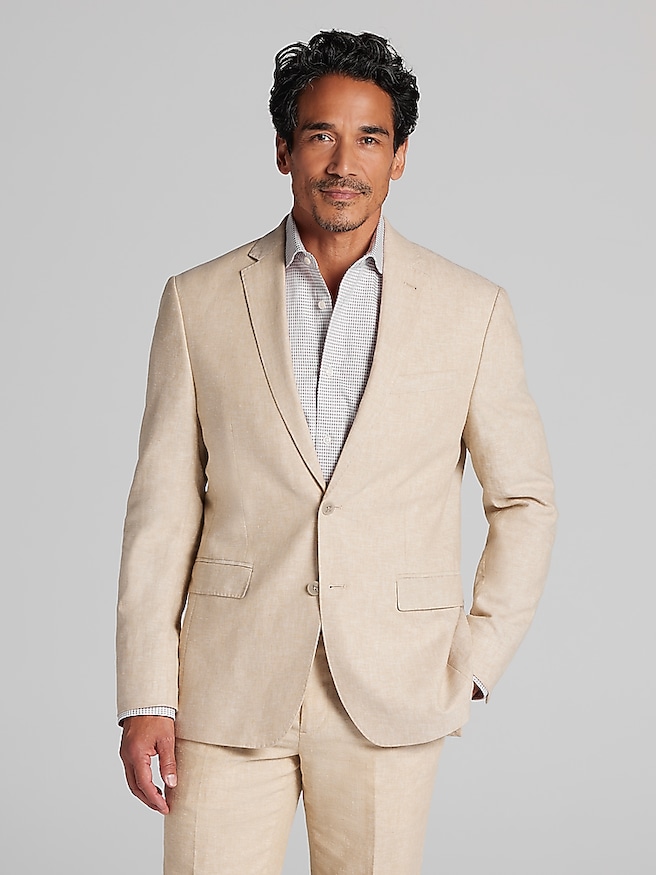
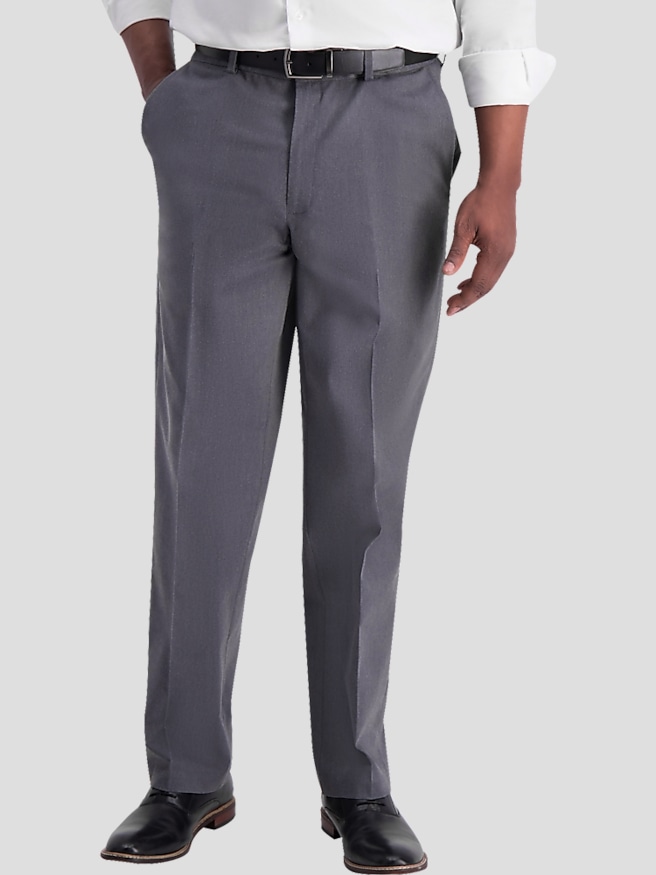
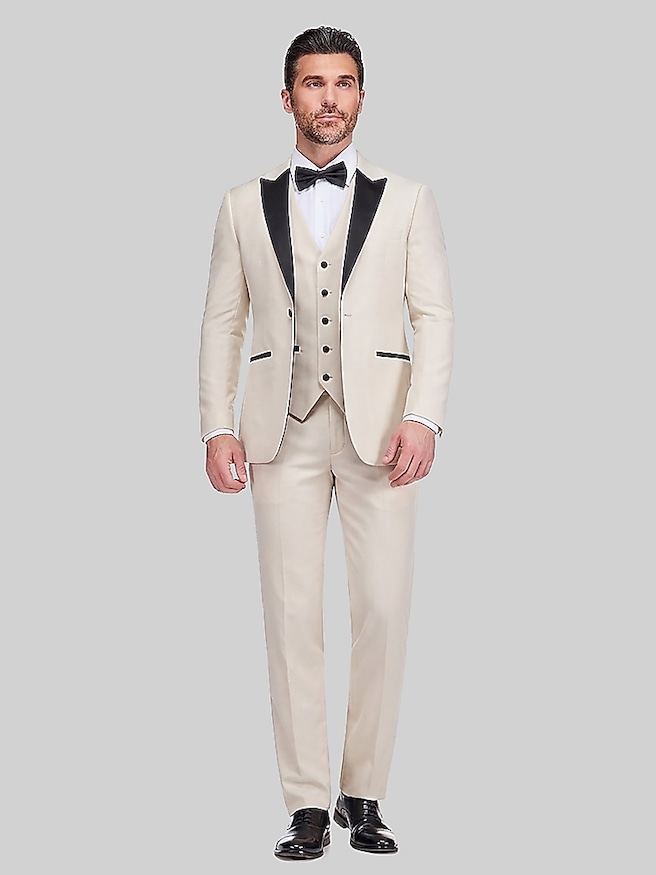
Formal graduation outfits typically pair a tailored suit with a dress shirt and polished dress shoes, with a tie completing the look when the ceremony calls for one. For graduates, the outfit needs to work both beneath a cap and gown and on its own for portraits, family gatherings, and a celebratory meal afterward. A smooth shirt collar, neatly finished trouser hems, and a tie that sits straight can make a noticeable difference when only part of the clothing is visible beneath the robe. Navy, charcoal, and medium gray create a classic foundation that photographs well without competing with academic colors, honor cords, or a colorful stole. A white or pale blue shirt gives the neckline a clean finish, while a subtle tie pattern adds personality without overwhelming a close-up photograph. The level of formality depends on the institution, venue, and any published dress expectations. A traditional suit is appropriate for many ceremonies, while a tuxedo generally belongs at a graduation celebration with an explicit black-tie dress code rather than a typical commencement. Guests can follow the same overall approach, dressing with enough polish to honor the occasion while allowing the graduate to remain the focus. A coordinated sport coat and dress pants may suit a less formal gathering, whereas a matching jacket and trousers create a more unified, dressed-up appearance. For high school and college graduates alike, the most useful outfits balance the significance of the milestone with the practical demands of the day: sitting through speeches, climbing steps, greeting teachers, and standing for photographs. Formal graduation attire should feel composed through all of those moments, not just during the brief walk across the stage. Clean lines and restrained details help create that balance, especially when the outfit will appear in both individual portraits and large group pictures. Clothing that reflects the wearer’s usual taste also tends to look more natural than an unfamiliar combination chosen only for the camera.
Fabric and construction influence how graduation formal outfits feel over several hours of wear. Wool suiting offers a refined surface, natural resilience, and a drape that helps a jacket and trousers maintain their shape. Wool blends can combine those qualities with other fibers, while a modest amount of stretch may make sitting, walking, and reaching more comfortable. Fabric weight, weave, lining, and the overall cut all affect the experience; a lightweight-looking suit is not automatically less structured, and stretch alone does not guarantee a comfortable fit. Cotton dress shirts bring a familiar, crisp feel, while cotton-blend and easy-care fabrics may simplify upkeep when the outfit becomes part of a regular rotation. A smooth shirt front matters beneath a gown, where excess fabric can bunch around the waist or gather at the neckline. The jacket’s shoulders should sit naturally, its collar should rest close to the shirt collar, and the front should close without pulling into pronounced lines. A slim fit creates a closer silhouette, but it still needs enough room for a comfortable stride and an easy seat. A more traditional fit provides additional space without needing to look oversized. Trouser rise and length are equally important: a waistband that stays in place and a hem that meets the shoe cleanly help the whole outfit look intentional. Dress trousers with bulky folds at the ankle can distract from an otherwise sharp appearance, particularly in full-length photographs. Small tailoring adjustments to sleeves or hems can make a familiar silhouette feel much more personal. For someone wearing a first suit, comfort is especially valuable because graduation involves plenty of attention without the added distraction of a tight collar or restrictive waistband. Durable stitching, well-finished seams, and fabric that recovers after sitting also support use beyond the ceremony, whether the next occasion is a scholarship reception, an internship presentation, or an interview.
Finishing details give a graduation outfit character while keeping it appropriate for a milestone occasion. A solid or quietly patterned tie can echo a school color without turning the entire outfit into a theme, and a simple pocket square can add contrast when the jacket is worn without the gown. Accessories work best when they leave the face and academic regalia as the visual focus. Leather lace-up shoes offer a traditional finish, while streamlined loafers can complement certain suit and dress-pant combinations when the event’s dress expectations allow. Familiar, well-fitting footwear is particularly useful for a day that may include long corridors, stairs, and extended periods of standing. Coordinating the general tone of a belt and shoes helps the outfit feel cohesive; exact color matching matters less than a deliberate, consistent finish. Dress socks that complement the trousers keep the line of the outfit continuous when seated, an often-overlooked detail in ceremony photographs. After the celebration, care suited to each fabric helps preserve the outfit’s shape and appearance. The garment’s care label should determine cleaning methods, especially for lined jackets and blended fabrics. A supportive hanger helps a suit jacket retain its shoulders, and hanging trousers neatly can reduce unnecessary creasing. Shirts benefit from appropriate washing and pressing, while shoes last better with regular cleaning and attention to their material. Those routines make formal clothing useful well beyond a single event. A versatile suit can become the foundation for future professional occasions, and a tie or other carefully chosen accessory can make a thoughtful graduation gift without requiring the same precise fit as a jacket. When a separate gathering has a more relaxed dress code, Casual Graduation Outfits offers another direction for the celebration. For the ceremony itself, proportion, comfortable movement, and considered details give formal clothing its lasting appeal: an outfit that feels right while crossing the stage and still looks like the wearer in the photographs kept afterward.