Men’s footwear can bring together the familiar lines of a dress shoe and the lighter, more flexible feel associated with casual styles. That balance makes polished shoes useful well beyond a single setting: a lace-up can finish a suit for a presentation, a loafer can give tailored trousers an easygoing edge, and a streamlined sneaker can complement chinos for a relaxed office. The distinction often comes down to shape, surface, and construction. A tapered profile and smooth leather upper generally look dressier than a rounded toe and visibly athletic sole, while perforations and wingtip detailing add texture without relying on bold color. Leather offers a structured appearance and can develop character with appropriate care; suede has a softer, more textured look; and textile or knit uppers can provide a lighter feel and greater airflow, depending on their construction. None of these materials determines comfort on its own. Linings, seams, cushioning, sole flexibility, and the shape of the shoe all influence how it feels through a full day. For someone walking from a parking garage to an office, standing through a reception, or moving between meeting rooms, weight and underfoot support deserve as much attention as appearance. A cushioned footbed may soften each step, while a flexible forefoot can make the transition from heel to toe feel less restrictive. Rubber outsoles can add grip and flexibility, although traction depends on the tread and the surface underfoot. Lightweight foam can reduce bulk, but a thicker sole does not automatically mean better support or longer wear. The most useful choice is one whose proportions, materials, and construction match its intended role. Clean stitching, neatly finished edges, and a secure connection between the upper and sole are worth noticing, especially in shoes intended for regular rotation. Details like these help distinguish footwear chosen mainly for an occasional appearance from footwear expected to handle repeated use while maintaining a composed look.
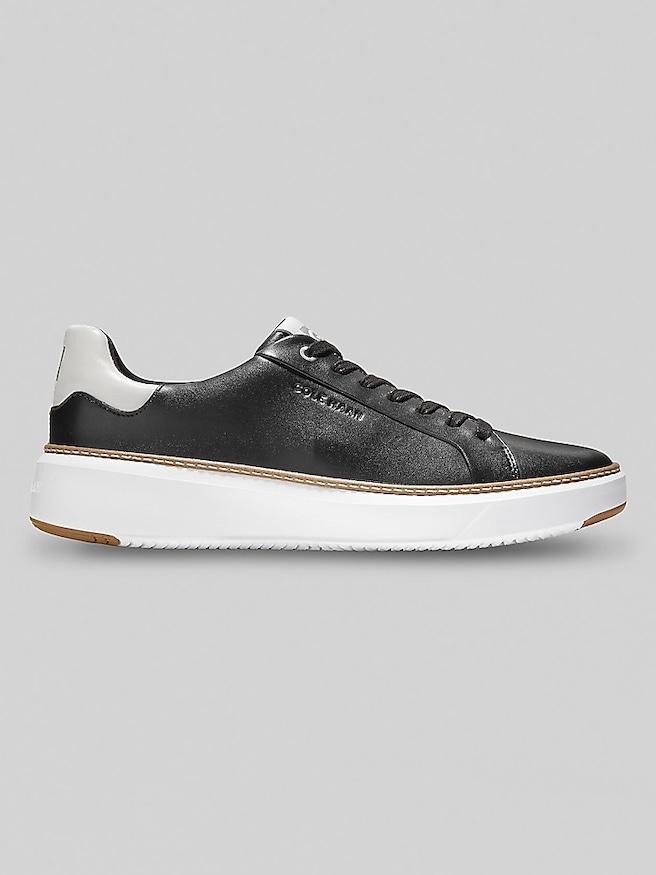
Color and silhouette determine how easily shoes work with the rest of a wardrobe. Black footwear creates a crisp foundation for charcoal trousers, dark denim, and many business outfits, particularly when the upper is smooth and the detailing is restrained. For a focused look at that color family, Cole Haan Black Shoes offers a natural starting point. Brown shades tend to introduce more visible contrast with navy and gray, while tonal soles and minimal trim keep casual footwear visually quiet. The right level of formality matters more than color alone: a black sneaker remains a casual shoe, and decorative broguing gives a lace-up a different character from a plain, polished upper. For weddings, interviews, and business presentations, the dress code and the cut of the clothing help establish the right balance. A slim trouser opening usually sits neatly above a lower-profile shoe, whereas a fuller leg can accommodate a more substantial sole without looking top-heavy. Fit deserves the same attention as styling. Toes need room to rest naturally without pressing into the front or sides, the ball of the foot should align with the shoe’s widest point, and the heel should feel secure without painful friction. Lace-up designs allow adjustments across the instep, while slip-on styles depend more heavily on the relationship between foot shape and the shoe’s opening. Sizing can vary with the shape used to construct the shoe, so a familiar size is a starting point rather than a guarantee. Trying footwear with the socks intended for it gives a more useful impression of fit, especially when comparing thin dress socks with cushioned casual pairs. Several comfortable steps should not involve toe gripping, pinching, or a need to alter a normal stride. Leather may relax with wear, but that is not a dependable solution for a shoe that feels too short or sharply constricted.
Care and construction both shape how footwear holds up over time. Smooth leather generally benefits from having surface dust removed with a soft brush or cloth, followed by a compatible conditioner or polish when appropriate for the finish. Suede calls for tools designed for its nap rather than the creams used on smooth leather, and textile uppers may need spot cleaning according to the care instructions. Material-specific guidance matters because mixed construction can combine leather, fabric, foam, and rubber in a single shoe. A cleaning method suited to one component can discolor or damage another, so machine washing or soaking should never be assumed safe. Allowing shoes to air out between wears, loosening the laces before removal, and using a shoehorn can help preserve their shape and reduce strain around the heel. Properly fitted shoe trees can support the uppers during storage, while avoiding direct heat helps protect materials and adhesives. Durability also depends on how the shoes are used: repeated walking on abrasive pavement wears an outsole differently from occasional indoor wear, and frequent driving can leave marks around the heel. Replaceable insoles or repairable components may extend useful wear when the construction allows, but not every lightweight design is intended to be rebuilt. For frequent travelers, a versatile silhouette can simplify packing by working with both tailored separates and more relaxed clothing, though an important formal event may still call for a dedicated dress shoe. Footwear can also make a thoughtful graduation, birthday, or career-milestone gift for someone building a professional wardrobe. Knowing the recipient’s size, width, preferred fastening, and usual dress code makes the choice more personal than selecting by appearance alone. A dependable everyday pair should suit the way its wearer actually moves through the day, from the first walk into the office to an evening dinner, with a fit that feels secure and a finish that belongs with the clothes already in rotation.