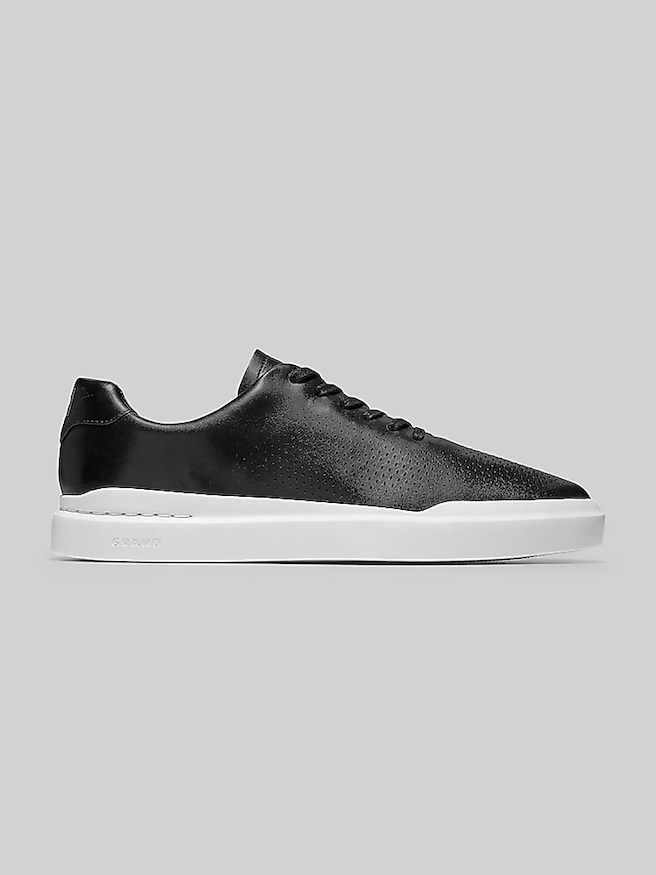
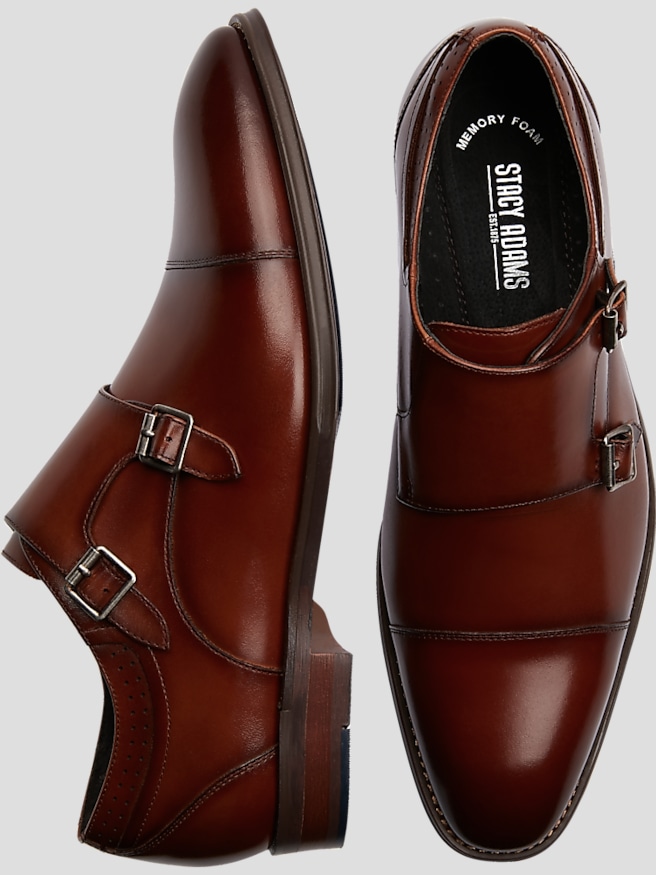
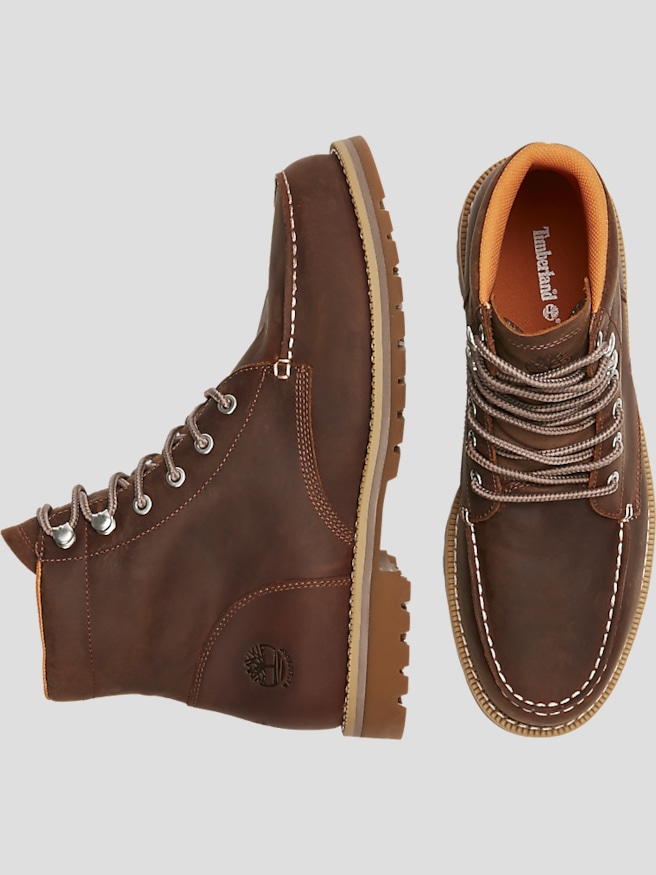
Men’s shoes give an outfit its foundation, setting the tone before the finer details of a shirt, jacket, or accessory come into focus. A sleek leather silhouette makes a suit look complete, while a softer shape or a more substantial sole can bring a relaxed character to chinos and an open-collar shirt. The appeal of Cole Haan Shoes fits naturally into that balance between polished dressing and everyday versatility. For a wardrobe that moves from client meetings to dinner reservations, footwear needs to look appropriate without feeling out of place once the jacket comes off. Lace-up dress shoes offer a structured appearance, with closed lacing creating a particularly clean profile and open lacing allowing more adjustment across the top of the foot. Slip-on silhouettes bring a less formal rhythm to tailored separates, especially when the trousers have a neat taper and a hem that does not bunch over the shoe. Black leather creates a crisp finish with charcoal or dark navy tailoring, while brown tones add depth to blue trousers, gray separates, and earth-toned clothing. The shade matters as much as the category: a deep brown can look restrained and professional, while a lighter tone draws more attention to the footwear. Smooth surfaces generally read as more formal than textured ones, and subtle stitching tends to blend into an outfit rather than become its focal point. These distinctions make men’s footwear relevant to several occasions, from an interview where the overall impression should be composed to a wedding where shoes need to complement a carefully fitted suit. For someone who wears tailored clothing only occasionally, a straightforward silhouette can serve several purposes without demanding a separate pair for every event. For someone who dresses professionally throughout the week, variations in shape, color, and construction help shoes work with the clothing already in regular rotation.
Materials and construction influence how shoes look, feel, and respond to repeated wear. Smooth leather can develop gentle creasing as it flexes, and its appearance often gains character with appropriate care. The upper’s finish affects both texture and maintenance: a glossy surface looks sharper under tailored trousers, while a more matte finish can blend easily with casual clothing. Suede has a soft, textured appearance that brings depth to simple outfits, though it requires cleaning methods suited to its raised fibers rather than the creams used on smooth leather. Textile panels and mixed-material designs may create a lighter visual impression, with performance depending on the particular construction. Inside the shoe, lining, seams, cushioning, and the shape of the footbed all contribute to the wearing experience. A softly padded interior may feel welcoming at first, but cushioning alone cannot compensate for a shape that presses against the toes or slips at the heel. Proper fit leaves room for natural movement without allowing the foot to slide excessively. The widest part of the foot should sit comfortably within the shoe, and the upper should feel secure rather than stretched tight across the instep. Lace-up designs offer some adjustment, while slip-on styles depend more closely on the relationship between the heel, opening, and foot shape. Trying shoes with the type of socks intended for regular wear gives a more realistic sense of fit; thin dress socks and thicker casual socks can change how the same size feels. Both feet deserve attention because a pair that feels comfortable on one side may pinch on the other. The sole also matters. Rubber can provide flexibility and traction, while leather soles have a traditional appearance and a distinct feel underfoot. Neither material tells the whole story: tread, thickness, construction, and the surfaces encountered during a typical day all affect suitability. Walking between appointments, standing through a reception, and sitting at a desk place different demands on footwear. A well-matched pair balances the desired appearance with the support, flexibility, and fit needed for those routines, rather than relying on looks alone.
Thoughtful care helps preserve that balance and keeps everyday footwear looking intentional. Dust and surface grit can dull an upper and collect around seams, so gentle cleaning is part of maintaining both appearance and condition. Smooth leather benefits from products appropriate to its finish, with conditioning used according to the manufacturer’s directions rather than applied indiscriminately. Polish can refresh color and add shine, but the right treatment depends on whether the leather is finished, coated, or intended to retain a matte appearance. Suede calls for its own brush and cleaning products; ordinary shoe cream can flatten the texture or leave a visible mark. Allowing shoes to air out between wears helps manage moisture from normal use, and drying them away from direct heat reduces the risk of damage to leather and adhesives. Shoe trees can help retain shape when correctly sized, while a shoehorn reduces pressure on the heel structure when putting shoes on. These small habits are especially useful for pairs worn frequently with office clothing or brought out for important occasions. Durability also depends on noticing changes early. Uneven heel wear, a separating sole edge, or stitching that begins to loosen may warrant assessment by a qualified shoe repair professional, although repair options vary by construction. Rotating between pairs gives each one time to recover between outings and can make routine upkeep easier. For gifting, men’s shoes have practical value when the recipient’s size, preferred fit, and everyday style are already familiar. Someone who regularly wears suits may appreciate a refined shape that coordinates with established tailoring, while someone whose routine centers on chinos and casual shirts may find a more relaxed profile easier to incorporate. Exact fit remains personal, particularly when moving between silhouettes with different openings or toe shapes. Whether selected for professional dressing, celebrations, or everyday outfits, footwear earns a lasting place in a wardrobe through consistent usefulness: proportions that work with the trousers, materials that suit the intended use, and comfort grounded in a properly fitting shape.