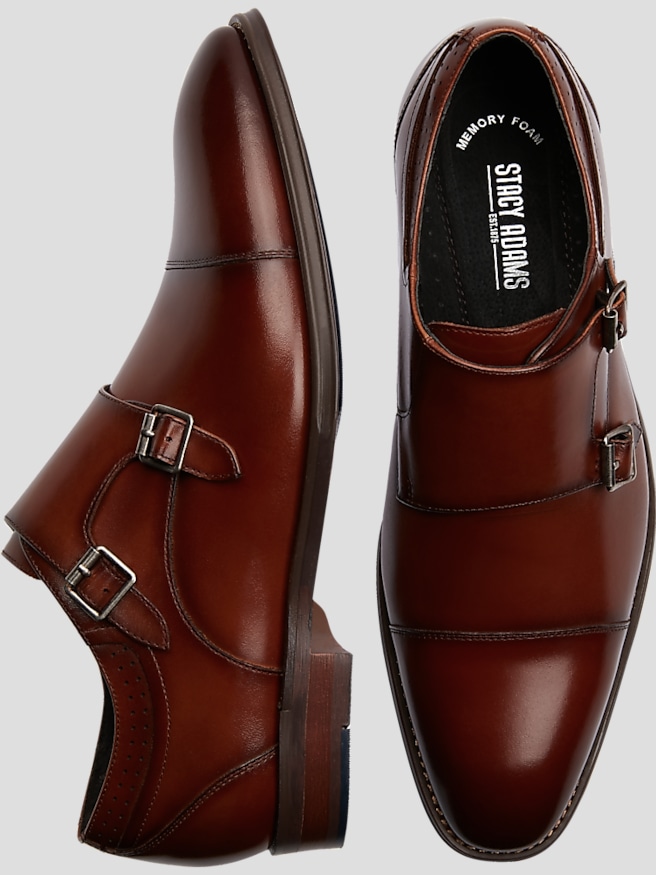
Classic dress-shoe styling and athletic-inspired comfort bring a useful balance to everyday footwear: a polished appearance that works with tailoring, along with thoughtful cushioning and flexibility for days that involve more than sitting at a desk. That combination matters when the schedule includes a walk from the parking garage, a morning presentation, and dinner after work. Oxfords, loafers, and streamlined sneakers each serve a distinct purpose, but the strongest connection between them is versatility. An oxford’s closed lacing creates a clean, structured profile that complements a suit or dress trousers. A loafer offers an easy slip-on shape that can look refined with chinos, a sport coat, or more relaxed tailoring. A simple sneaker brings a casual finish to dark denim and can work with less structured office clothing when the dress code allows it. Shoes that blend dress details with a more cushioned sole occupy another useful space, especially for people who want a tailored look without the firm feel associated with some traditional dress footwear. The distinction is partly visual: a slim sole and smooth upper usually read as more formal, while a thicker sole, contrasting outsole, or textured upper feels more relaxed. Decorative perforations, often called broguing, add character without changing the basic shoe shape. A wingtip pattern can give trousers and a button-down shirt a little more personality, while a plain toe keeps the overall impression understated. Material and finish also influence how footwear fits into a wardrobe. Smooth leather has a crisp appearance that suits professional settings and dressier occasions; suede introduces a softer texture; knit and textile uppers generally lean toward casual dressing. No single shape needs to cover every occasion. The useful choice is the one that matches the wearer’s usual clothing, the expectations of the setting, and the amount of walking or standing the day involves. For a wedding guest, that may mean a restrained lace-up with tailored trousers. For a frequent traveler, it may mean a versatile silhouette that looks appropriate at a meeting and feels comfortable between destinations.
Fit is central to that versatility, because a shoe that looks right still needs to feel secure through a full day. A comfortable fit leaves room for the toes to rest naturally without pressing against the front or sides, while holding the heel and midfoot steadily enough to avoid repeated slipping. Length alone does not tell the whole story: width, instep height, toe shape, and the volume inside the shoe all affect how a pair feels. A narrow, tapered profile may suit one foot well and crowd another, even when both wearers usually choose the same size. Lace-up footwear allows some adjustment across the instep, while loafers depend more heavily on the match between the foot and the shoe’s shape. Socks matter, too. Thin dress socks and thicker casual socks can noticeably change the fit, particularly around the heel and forefoot. Leather may soften with wear, but significant pressure or pinching should not be treated as a normal requirement of breaking shoes in. Cushioning can make each step feel less abrupt, yet softness is only part of comfort; a stable base, appropriate flexibility, and a secure upper are equally important. Materials contribute in different ways. Leather offers structure and can develop a distinctive patina with proper care. Suede has a soft surface that gives casual outfits depth, though its nap needs more careful cleaning. Knit and other textile constructions can feel flexible and accommodating, with support depending on the design of the upper and sole. Linings, seams, and interior finishing also deserve attention, since an exposed edge or bulky seam can become distracting during extended wear. Durability reflects the whole construction rather than one feature alone. Consistent stitching, securely attached soles, and reinforcement around frequently stressed areas help footwear withstand regular use. Outsole texture affects contact with the ground, but a casual or dress shoe should not be assumed to provide specialized slip resistance unless that capability is stated. For someone who spends the day moving between offices, commuting, or standing at events, the most practical balance is often a shoe that combines a tidy profile with dependable fit and support.
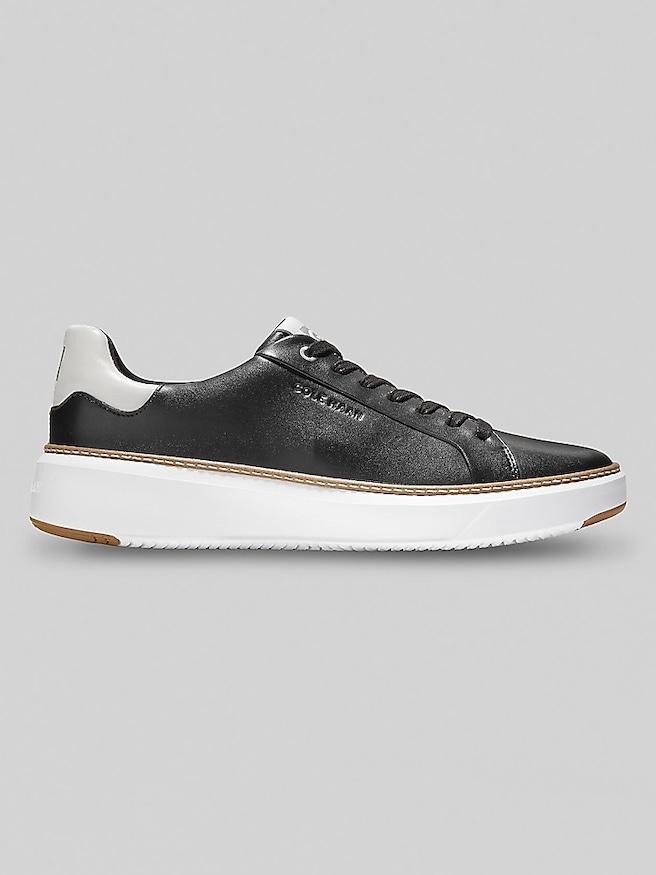
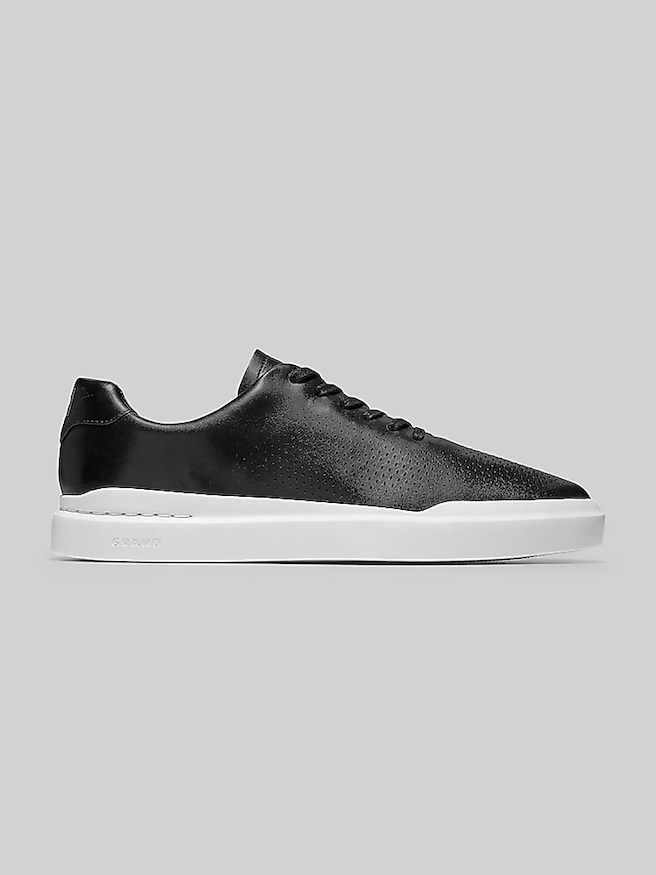
Color and care help keep that balance working across a wardrobe. Black footwear creates a crisp foundation for charcoal trousers, dark suits, and outfits built around clean contrasts, making Cole Haan Black Shoes a natural point of reference for a polished, understated look. Brown shades tend to bring warmth to navy, tan, and denim, while the finish and sole shape determine how dressy the result feels. Coordinating shoes with a belt can make an outfit look considered without requiring every leather accessory to be an exact match. For formal occasions, smooth surfaces and restrained detailing generally pair more easily with tailoring than visibly sporty construction. For everyday settings, textured uppers and lighter-looking silhouettes can soften the appearance of a jacket and trousers. Keeping those surfaces presentable calls for care suited to the material. Smooth leather benefits from gentle cleaning, appropriate conditioning, and polish when the finish permits it. Suede needs a dedicated brush to lift the nap and remove surface dirt, rather than the creams used on smooth leather. Textile uppers require cleaning methods recommended for their particular construction; machine washing is not a safe assumption. Protective treatments should also be compatible with the material, and no finish should be considered waterproof without a specific indication. After wear, allowing shoes to air out and dry naturally helps preserve their shape and interior comfort. Direct heat can damage leather, adhesives, and other components. Shoe trees can support the shape of suitable leather footwear, while rotating between pairs gives interiors time to dry. Attention to worn heel edges, thinning soles, and damaged stitching can also identify when professional repair may be appropriate. Footwear can be a thoughtful gift for a graduation, a new job, or a birthday when the recipient’s size, preferred fit, and daily routine are known. A person who regularly wears suits may appreciate a different silhouette from someone whose week revolves around chinos and casual shirts. The lasting appeal comes from that personal connection: shoes that suit the wearer’s wardrobe, feel comfortable in familiar settings, and remain presentable with routine care.